
Last updated November 14, 2026
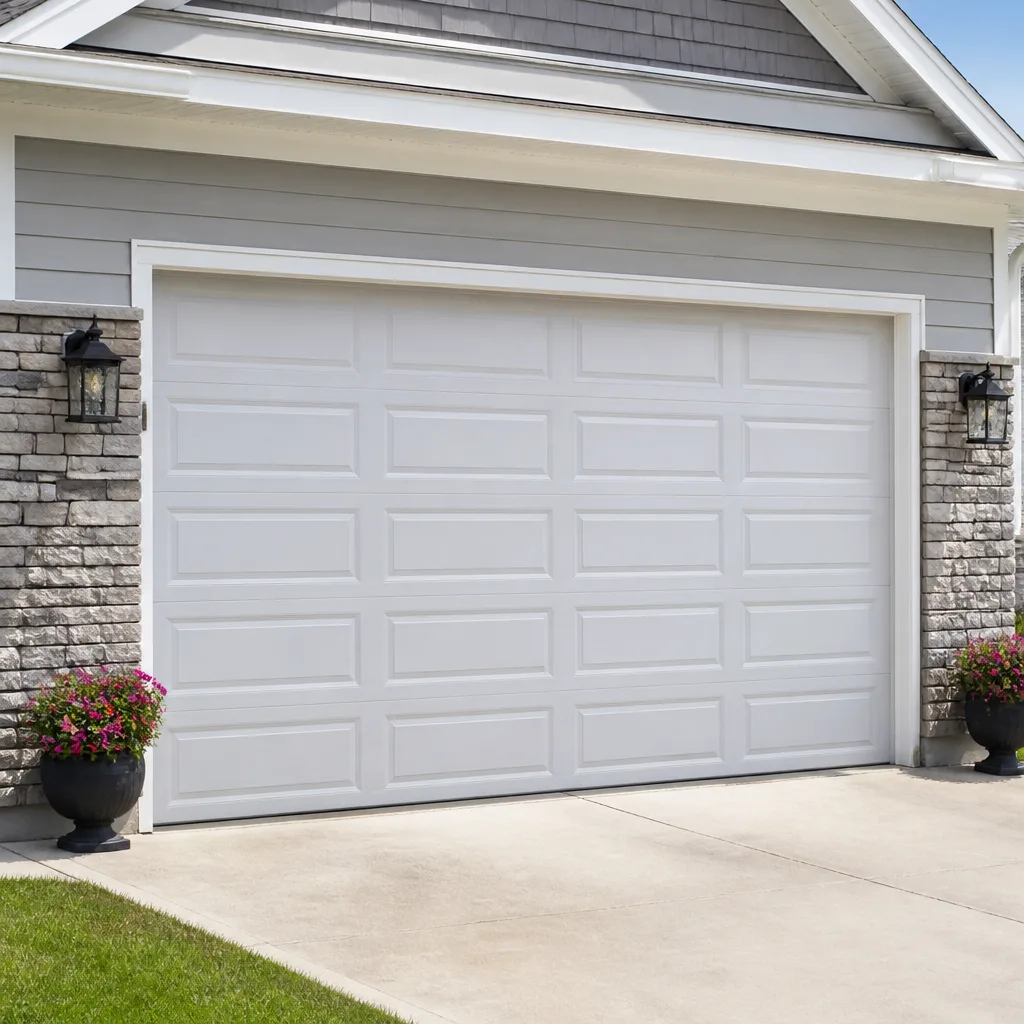 Raised-panel steel
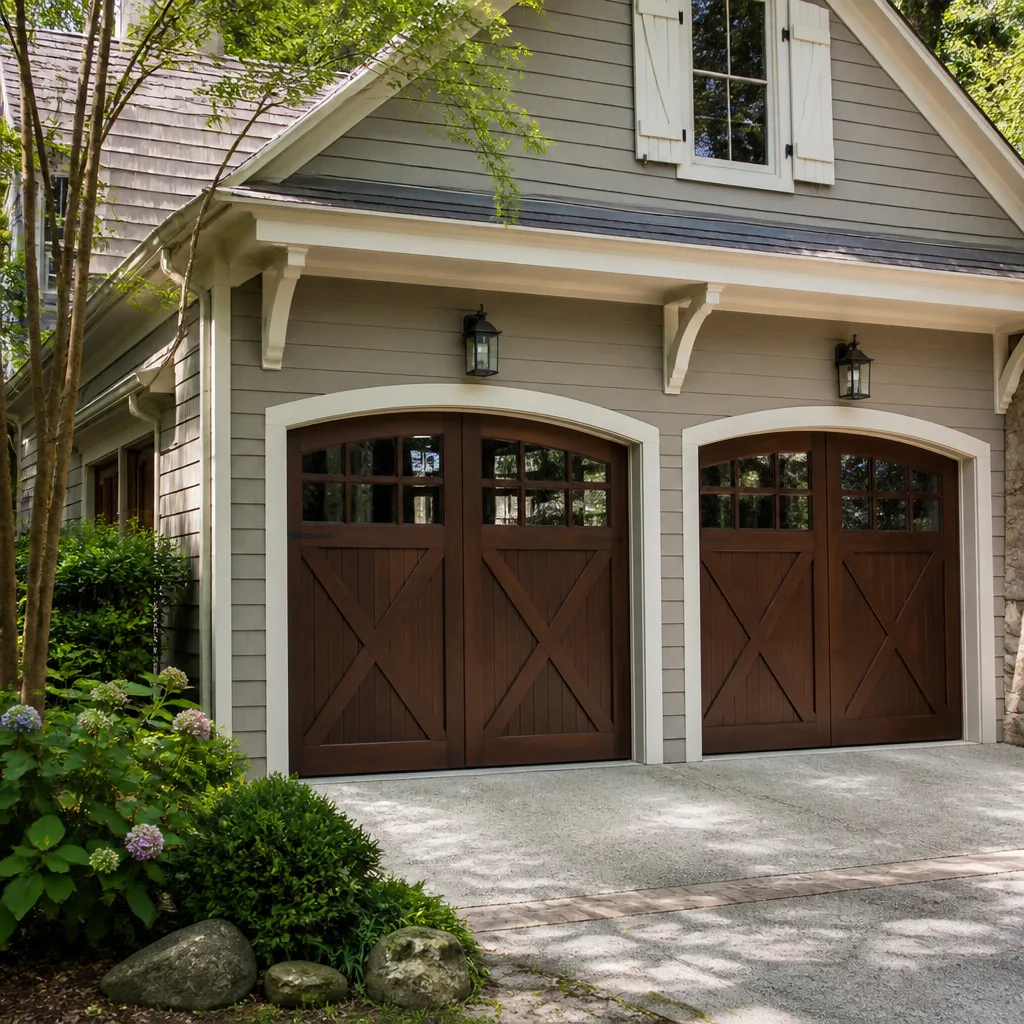 Carriage house
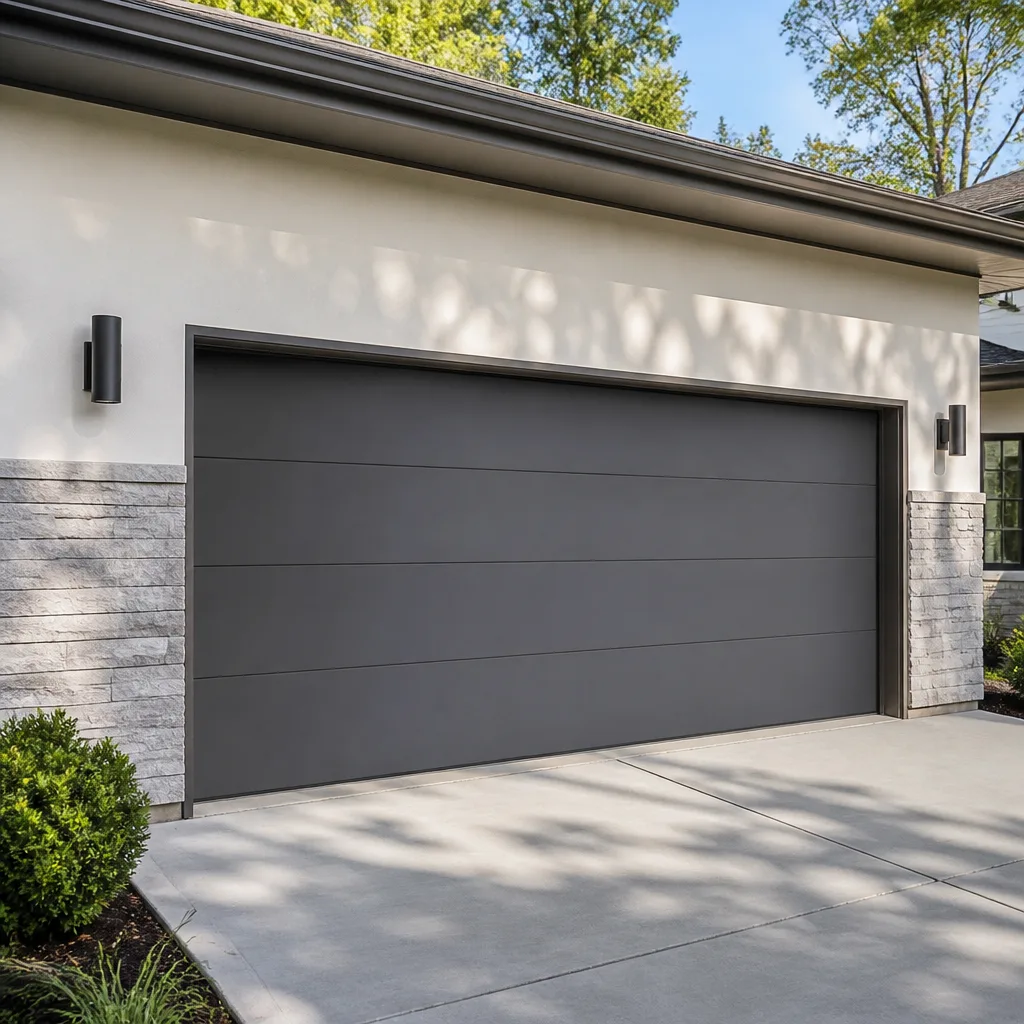 Modern flush
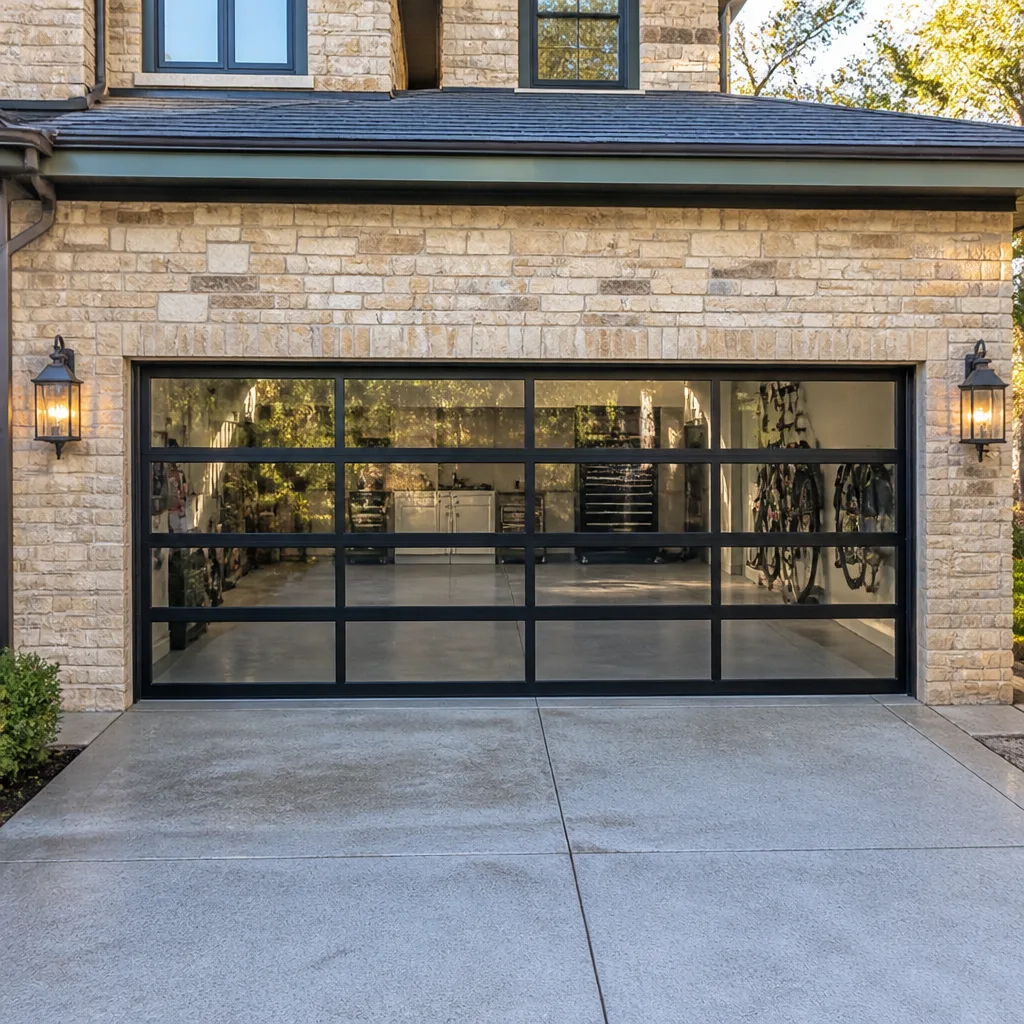 Full-view glass
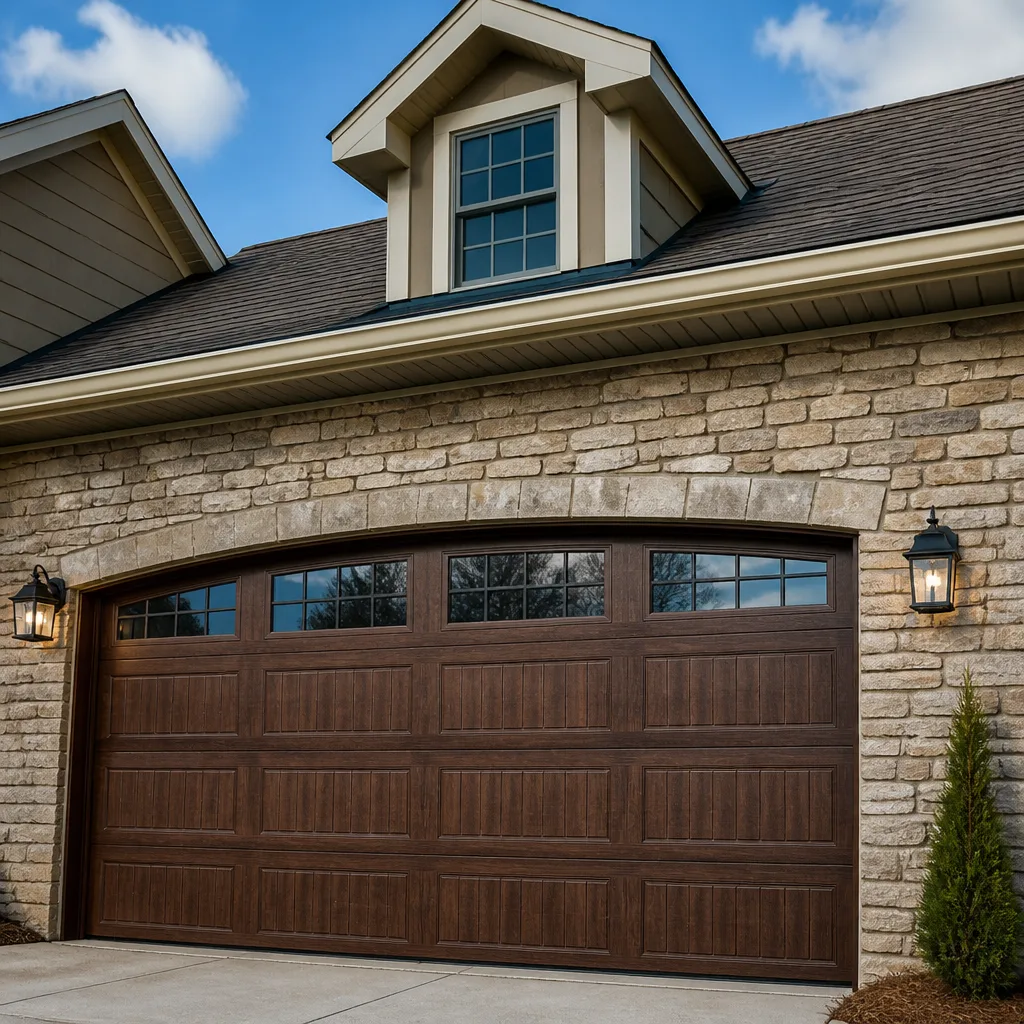 LiftMaster openers
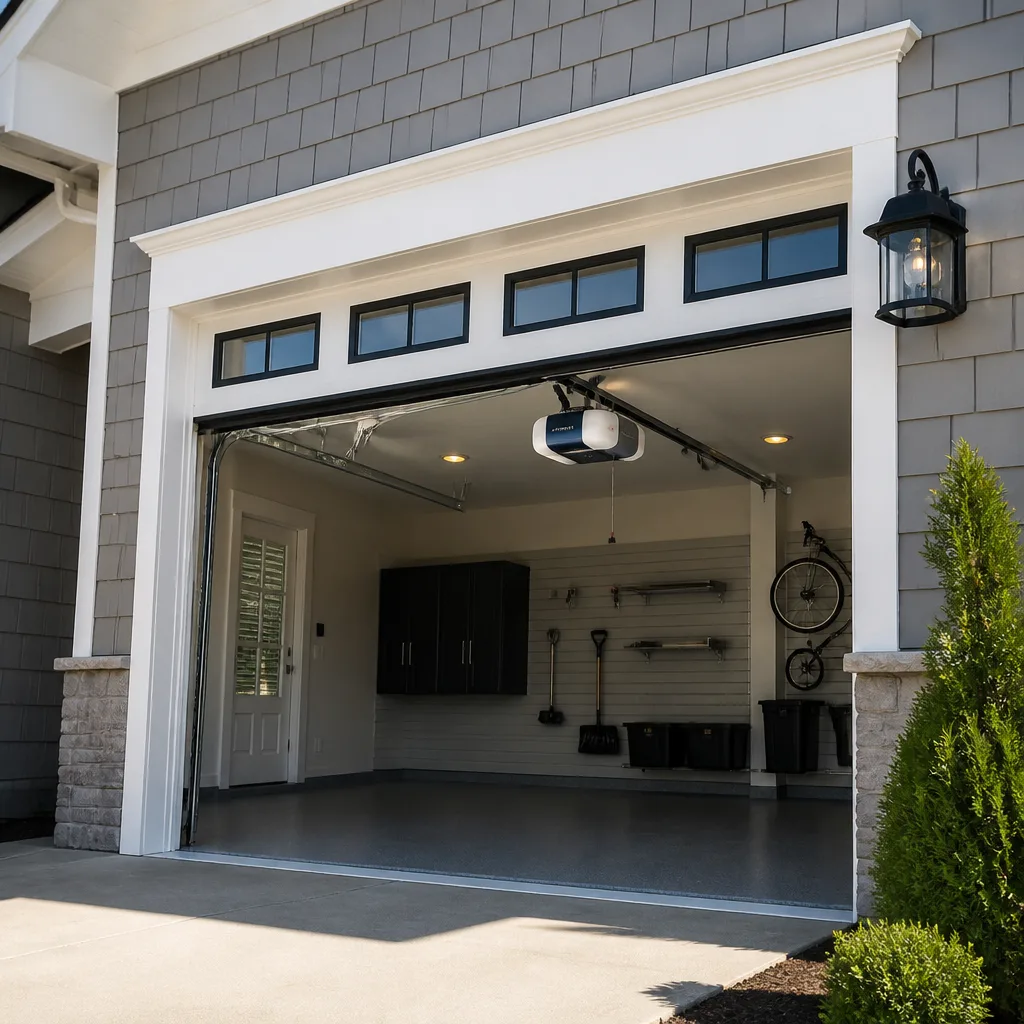 Chamberlain openers
Full 25-point door and opener safety check with every visit - springs, cables, rollers, tracks, and your LiftMaster or Chamberlain opener included
You get a price before we start. It does not change when the pro arrives.
Get your free estimateSeasonal Garage Door Care for Tulsa: Year-Round Homeowner’s Guide
Most seasonal garage door guides are written for a climate that doesn’t exist here. They assume one mild swing and a single maintenance window. Tulsa doesn’t work that way. Your door faces ice buildup packed against the bottom seal in January, tornado-season wind driving rain sideways in April, and 100°F August afternoons that work a steel door over like a slow hand. Four real seasons, four different failure modes, and a maintenance calendar that has to shift with each one. This guide walks through what each Tulsa season actually does to your door and opener, what to check when, and which problems are worth a professional look before they get expensive.
Quick Answer
In Tulsa, a garage door needs a different check in each season rather than one annual tune-up: post-ice inspection and bottom-seal review in spring, spring-tension and opener-board checks in summer heat, weatherstripping and wind-seal inspection in fall, and de-icing care that protects the seal and concrete apron in winter. Year-round, watch for slow alignment drift caused by clay soil movement under the slab. Doing these checks on schedule catches most failures before they strand your car.
Styles & brands we work with
- Raised-panel steel
- Carriage house
- Modern flush
- Full-view glass
- LiftMaster openers
- Chamberlain openers
Table of Contents
- Spring: What Tulsa’s Late Freezes Leave Behind
- Summer: Heat, Torsion Tension, and Opener Board Failures
- Fall: Wind Seals, Weatherstripping, and Tornado-Season Aftermath
- Winter: De-Icing Without Damaging the Seal or Apron
- Year-Round: Clay Soil Movement and Frame Drift
- Your Tulsa Seasonal Maintenance Calendar
- Common Mistakes to Avoid
- When to Call a Professional
Spring: What Tulsa’s Late Freezes Leave Behind
Spring is inspection season in Tulsa, not maintenance-for-its-own-sake season. The metro regularly gets late freezes into late March, and sometimes a hard cold snap after trees have budded. That means the ice your door fought through didn’t fully release until late, and the parts that took the load are the parts you need to look at first. A door that gets no spring inspection carries winter wear into the busiest part of the year.
The priority list after a freezing winter:
- Bottom seal. Ice and freezing slush push against the rubber seal at the floor line. Check for tears, hardening, and a gap you can see daylight through. A stiff, cracked seal lets in wind and water all season.
- Hinge and roller points. Cold weather stiffens lubricant. Worn hinges and rollers that bound freely in fall may now drag. Listen for grinding on the way up.
- Panel surface and seams. Hail is a spring reality here, and it leaves dents and dings that can compromise panel seams, especially on steel and aluminum doors. Small dents are cosmetic; cracked seams and bent stiles are structural and worth a look.
- Weatherstripping on the jambs and header. Freeze-thaw cycles pull stripping loose. Run a hand along the perimeter and feel for separation.
- Opener reversal test. A cold winter can throw off safety-reversal sensitivity. Test it: place a roll of paper towels in the door’s path and confirm it reverses on contact. If it doesn’t, stop using the opener and get it looked at.
Spring is also when most Tulsa homeowners think about a new door, and it’s a reasonable time to plan one: a full installation is measured and ordered, so it’s a scheduled job, not a same-day fix. Get a free measure and a written price well ahead of summer heat. If you’re weighing repair against replacement, our garage door repair page is the place to understand what’s fixable.
Safety note: torsion springs and the cables under them are under extreme tension. Don’t adjust, unwind, or attempt to replace them yourself. That work belongs to a trained technician, every time.
Summer: Heat, Torsion Tension, and Opener Board Failures
Tulsa summers regularly push past 100°F, and that heat is the highest-stress condition your garage door will meet all year. Two things happen. First, steel expands. A torsion spring that’s correctly tensioned in March can feel slightly off by July. Second, the opener’s electronic components run hotter inside an unventilated garage than anywhere else on the property. Summer is our busiest season for opener board failures, and it’s not a coincidence.
What heat stress looks like on your door:
- Uneven lift and a door that “sags” on one side. Thermal expansion plus a spring that’s drifted out of balance. This often reads as a roller problem when it’s actually tension.
- A sluggish or unresponsive opener. LiftMaster, Chamberlain, and Genie units all have control boards and logic that can fail in sustained heat. Symptoms include a motor that hums but doesn’t lift, lights that blink a code, or a wall control that doesn’t respond.
- Remote range that shrinks. Sometimes a battery; sometimes electronics that are running hot. Rule out the simple things first.
- Metal panels that flex or warp slightly at the seams. Normal expansion, but worth watching. If seams pull apart, that’s a panel-integrity issue.
Two things you can do that don’t require a technician. Keep the garage as ventilated as practical (an open window or a garage door cracked during coolest hours, when the door is otherwise idle). And keep the opener itself clear of stored clutter so it can shed heat. The opener is a standalone system with its own electronics and mechanical parts, and heat punishes it. When something electronic fails, garage door opener repair is its own specialty, not an afterthought.
Fall: Wind Seals, Weatherstripping, and Tornado-Season Aftermath
Tornado season in Oklahoma runs spring into early summer, but the wind damage it leaves behind shows up in fall. Tulsa’s directional winds, which tend to come from the south and southwest during storm season, drive rain sideways into the jamb weatherstripping. Stripping that’s been abraded and loosened over a wet season will fail on the first cold rain, and the leaks show up as water on the garage floor, dampness along the door edges, and eventually rust at the hinge screws.
Fall inspection priorities:
- Jamb and header weatherstripping. Run a hand along the full perimeter. Feel for loose, torn, or compressed stripping. This is the single most common wind-damage item we see in Tulsa.
- The bottom seal, again. It handled ice and hail in spring and heat all summer. Check it before winter.
- Panel fasteners and hinges. Wind vibration loosens screws over time. A quick visual for missing or backed-out screws goes a long way.
- Garage door frame track. Check that the vertical tracks are plumb and the horizontal tracks are level. Wind doesn’t bend tracks often, but aging fasteners and clay-soil drift do.
- Door-to-floor seal. Slide a sheet of paper under the closed door. If it pulls out easily anywhere along the width, the seal has a gap.
Fall is also the right time to schedule a new door. A cold-weather install is a scheduling job, and doing it before the first freeze means your new Clopay or Amarr door has a full season to settle in without ice stress. Weighing options? Ask for a free measure and a written quote so you know the scope and price before anything is ordered.
Winter: De-Icing Without Damaging the Seal or Apron
The single most common winter mistake is throwing rock salt on the garage apron. Rock salt and calcium chloride both attack concrete over time, and the brine they leave behind degrades the rubber bottom seal from underneath. The result is a stiff, cracked seal by spring and pitted concrete at the door line. You don’t need to avoid de-icing; you need to do it with the right material and the right method.
A safer winter routine:
- Use sand or non-salt grit for traction. Sand doesn’t melt ice, but it provides grip and won’t attack the concrete or the seal.
- If you use a de-icer, keep it off the seal. Apply it to the apron and path, not against the closed door. Sweep or shovel back before applying anything.
- Break ice away from the bottom seal before lifting. Ice bonded to the seal can tear the rubber when the door opens. If the door is frozen to the floor, don’t force it. Free it manually with a plastic scraper or warm water.
- Never use a metal shovel or an ice chipper against the seal. A plastic shovel against the concrete apron, staying clear of the rubber.
- Check the door opens fully before you rely on it. A door that partially opens on an icy morning is telling you something. Don’t force it.
If your door has frozen to the floor and won’t release, or the opener is straining to lift, that’s a real repair, not a user error. Get a trained technician out. And if you see visible ice damage to the seal, plan to replace it in spring.
Year-Round: Clay Soil Movement and Frame Drift
Here’s the thing most seasonal guides miss: Tulsa’s soil is heavy clay, and clay shrinks when dry and swells when wet. That movement is seasonal. It shifts the concrete apron and the frame around the garage door opening a fraction at a time, and over years, that fraction adds up. The result is gradual frame drift that shows up as a recurring alignment problem: the door rubs on one side, the closing edge is a little off, or the opener has to work harder than it used to.
Frame drift doesn’t announce itself. The signs are subtle:
- The door closes but a sliver of light appears at one jamb on a consistent basis.
- The door rubs briefly on one side during travel.
- You’ve adjusted the limit switches on your opener more than once in a year.
- The rollers on one side wear faster than the other.
- The door looks level but “catches” at the same point each time.
Because frame drift is slow, it’s easy to dismiss as “just how the door works.” It isn’t. A track and frame check once a year keeps a small drift from becoming a bigger repair. If you’re seeing the same alignment complaint over and over, the fix isn’t more limit-switch tweaking. It’s having the frame looked at by someone who understands the local soil conditions and the door’s full system, not just the symptom.
We work on doors from LiftMaster, Chamberlain, Genie, Clopay, Amarr, Wayne Dalton, Craftsman, and Raynor, and because we service all eight lines, our recommendations are driven by what your door actually needs, not by what a given technician happens to stock. If you’re on the fence about repair versus replacement, Tulsa homeowners can get a straight answer with a free estimate.
Your Tulsa Seasonal Maintenance Calendar
Here’s a condensed calendar you can stick to the garage wall. It won’t catch everything, but it covers the failure modes Tulsa’s four seasons actually produce.
- March (post-freeze): Bottom seal, hinge and roller points, panel and seam check after hail, perimeter weatherstripping, opener reversal test.
- April – May (pre-summer): Confirm spring tension and door balance. Clear clutter around the opener for heat shedding. Consider a scheduled measure if you’re planning a new door.
- June – August (heat): Listen for opener strain, watch for sag, check remote batteries, re-test reversal, keep ventilation as good as practical.
- September – October (post-wind): Jamb and header weatherstripping, bottom seal, panel fasteners, track plumb and level, paper test under the closed door.
- November (pre-freeze): Lubricate moving metal parts (rollers, hinges, springs) with a garage-door-appropriate lubricant, test the door manually, replace worn bottom seal.
- December – February (ice): Sand or non-salt grit only, de-icer kept off the seal, never force a frozen door.
- Every month: Visually check for new light gaps, uneven closing, or rubbing at one side. Log any recurring complaint.
If you only do three of those steps, do the March post-freeze inspection, the October wind-seal check, and the November pre-freeze lubricant and seal review. Those three catch most of what Tulsa throws at a door.
Common Mistakes to Avoid
- Rock salt on the garage apron. It’s the fastest way to pit your concrete and degrade the bottom seal. Sand and non-salt grit do the job without the damage.
- Forcing a frozen door open. A seal bonded to the floor can tear when the opener lifts. Free it manually first, never with force.
- Adjusting torsion springs yourself. This is the single most dangerous component on a garage door. Springs and cables are under extreme tension and belong to a trained technician, full stop.
- Ignoring “just a little rubbing.” A recurring alignment complaint is usually frame drift, not a one-off. Repeated limit-switch tweaks hide the real problem instead of fixing it.
- Skipping the reversal test after winter. Cold can throw off safety-reversal sensitivity. Test it with a roll of paper towels every season and stop using the opener if it fails.
- Treating the opener as separate from the door. It isn’t. A dragging door overloads the opener; a failing opener can force a door out of alignment. Diagnose the full system, not one part.
- Waiting until the door won’t open to schedule a measure. A full installation is measured and scheduled, not same-day. Plan it before summer heat or the first freeze.
When to Call a Professional
Some things are genuinely a phone call, not a weekend project. Call us if your door reverses unevenly or won’t complete a full cycle, if you see a broken torsion spring (the door will feel dangerously heavy), if the opener hums but doesn’t lift, or if the door has frozen to the floor and won’t release. Also call if a recent hail event left damaged panels or bent stiles, or if frame drift keeps showing up after your own limit-switch adjustments. And for a full installation, get a free measure and a written price before anything is ordered; that’s the right way to map scope and cost. Bedrock Garage Door Repair offers free estimates in Tulsa. Call (855) 962-5268. We answer 24/7. Fast dispatch from 7am to 7pm, Sunday through Friday. Our technicians have up to 12 years of experience, and we handle repair, opener repair, and new installation with the same provider, so there’s no handoff between a repair tech and an install crew.
See the difference
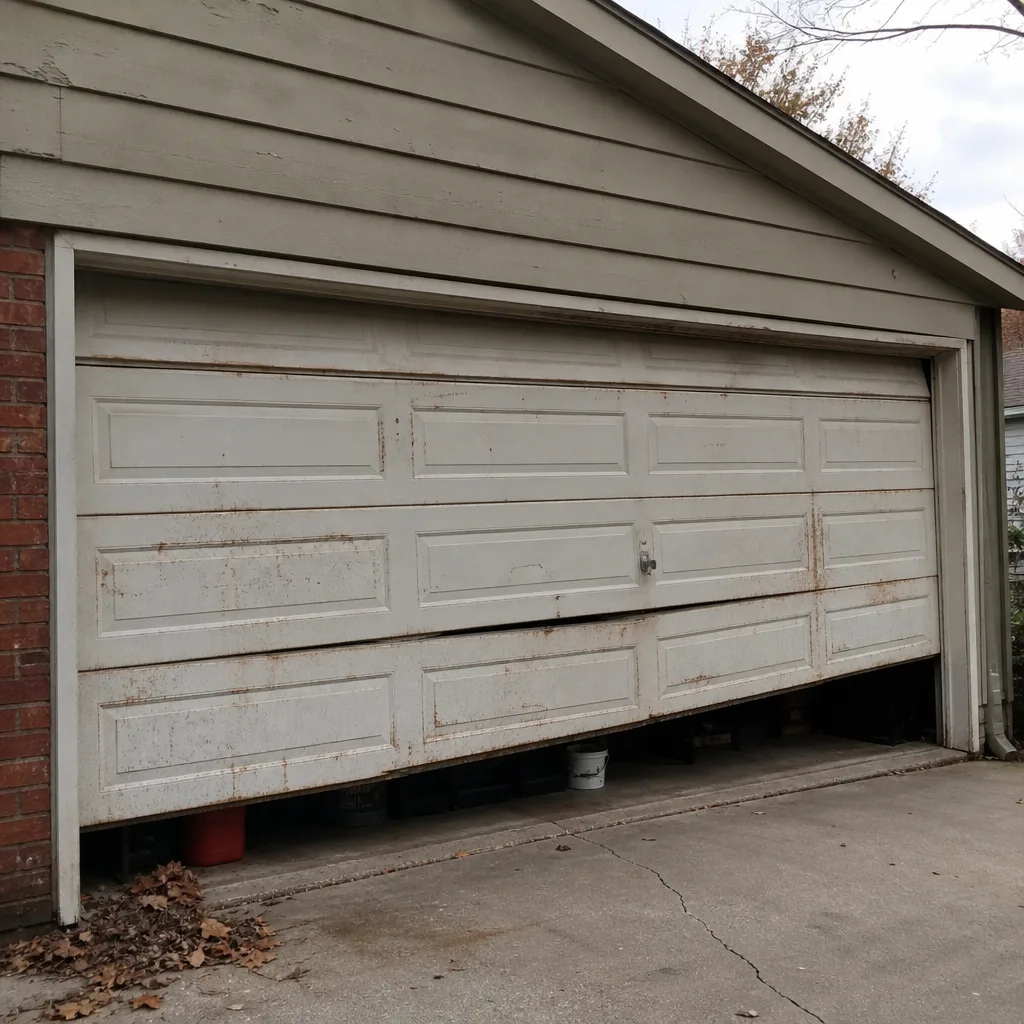 Before
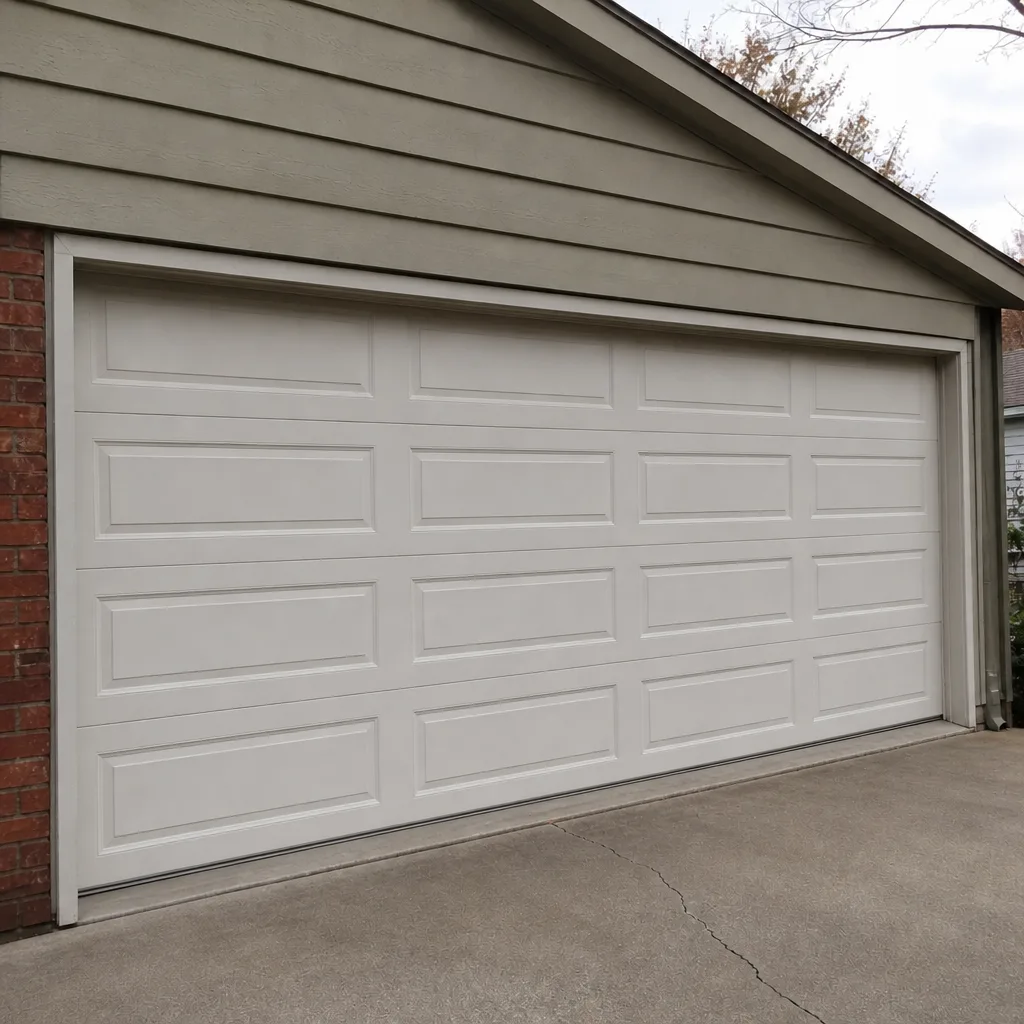 After
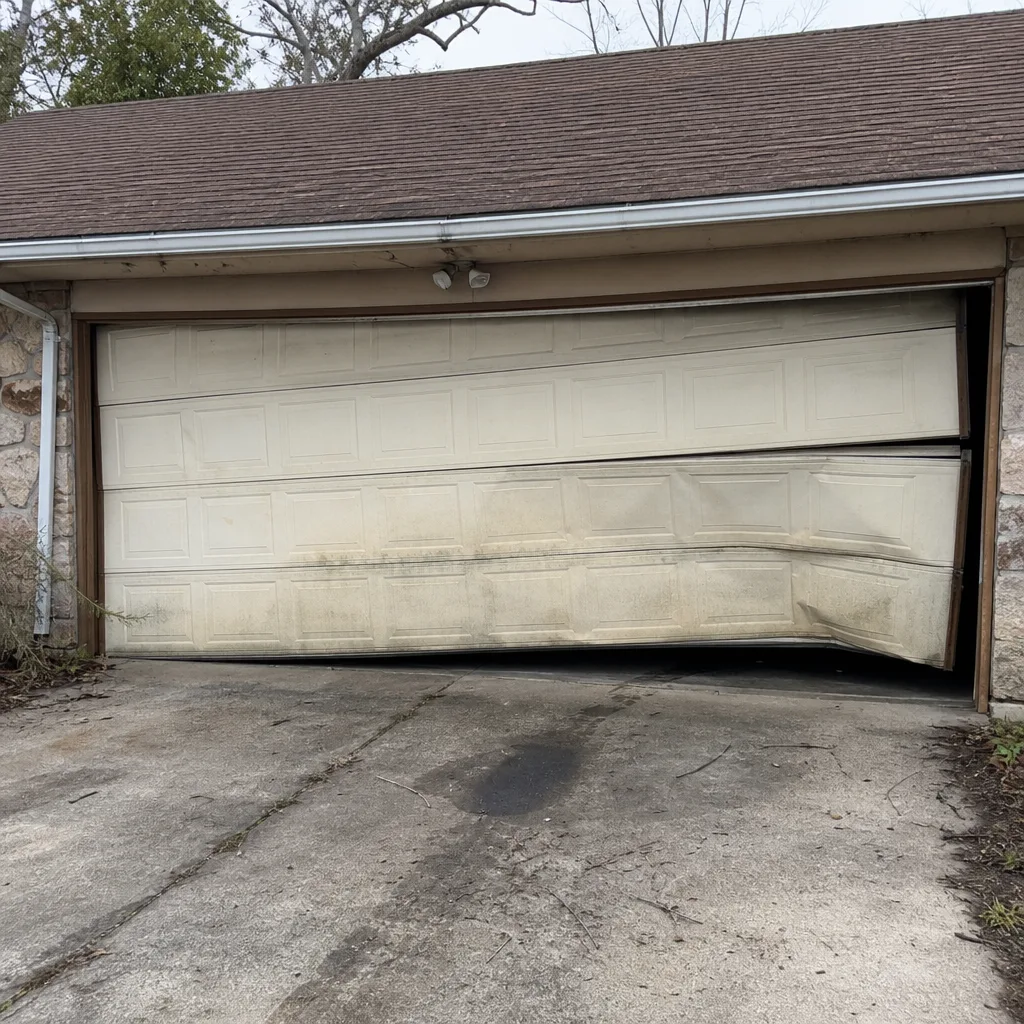 Before
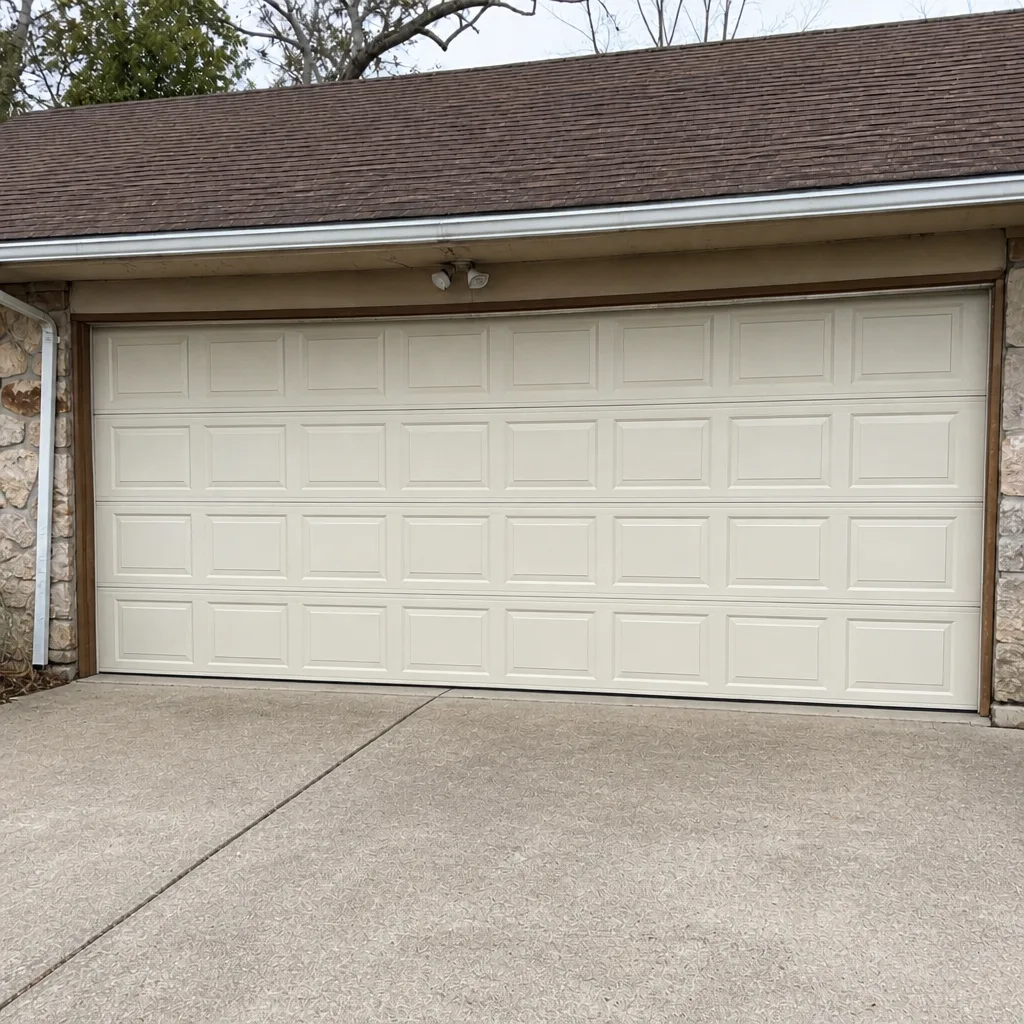 After
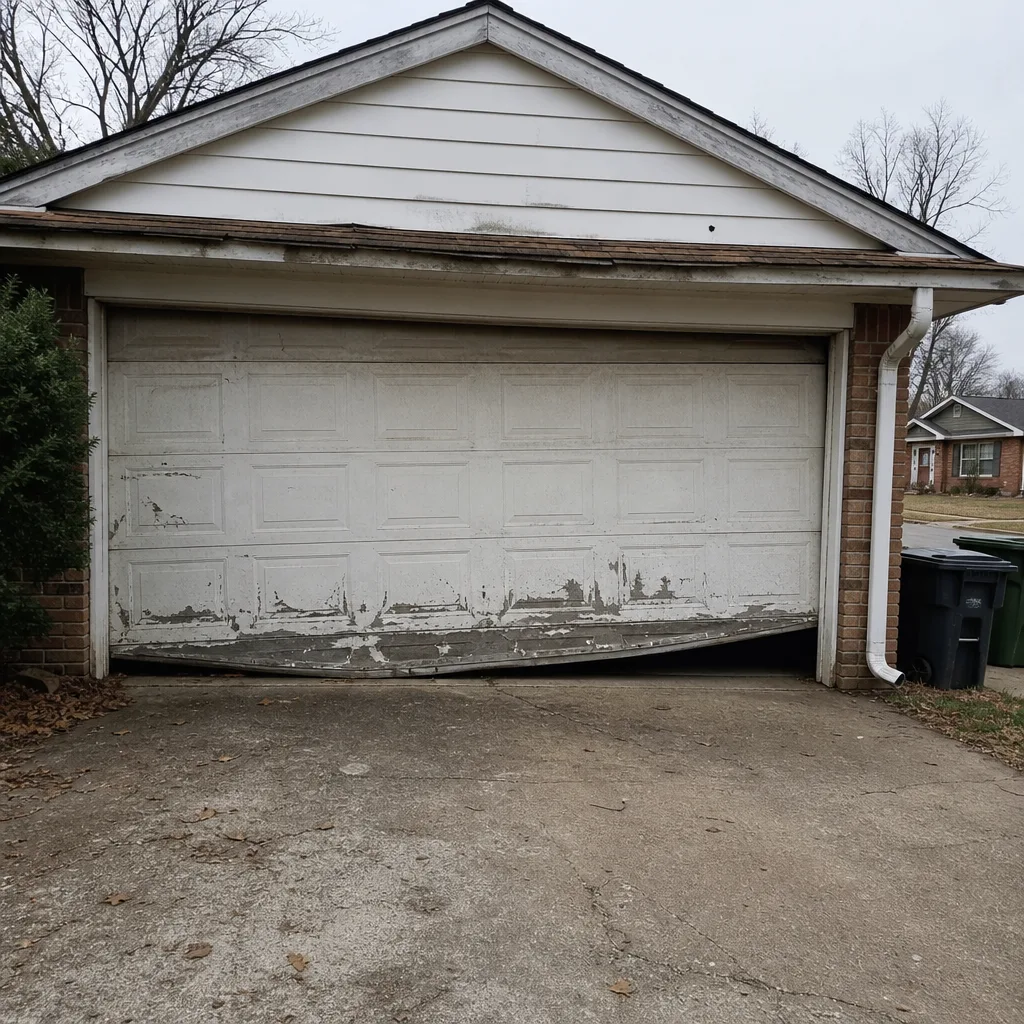 Before
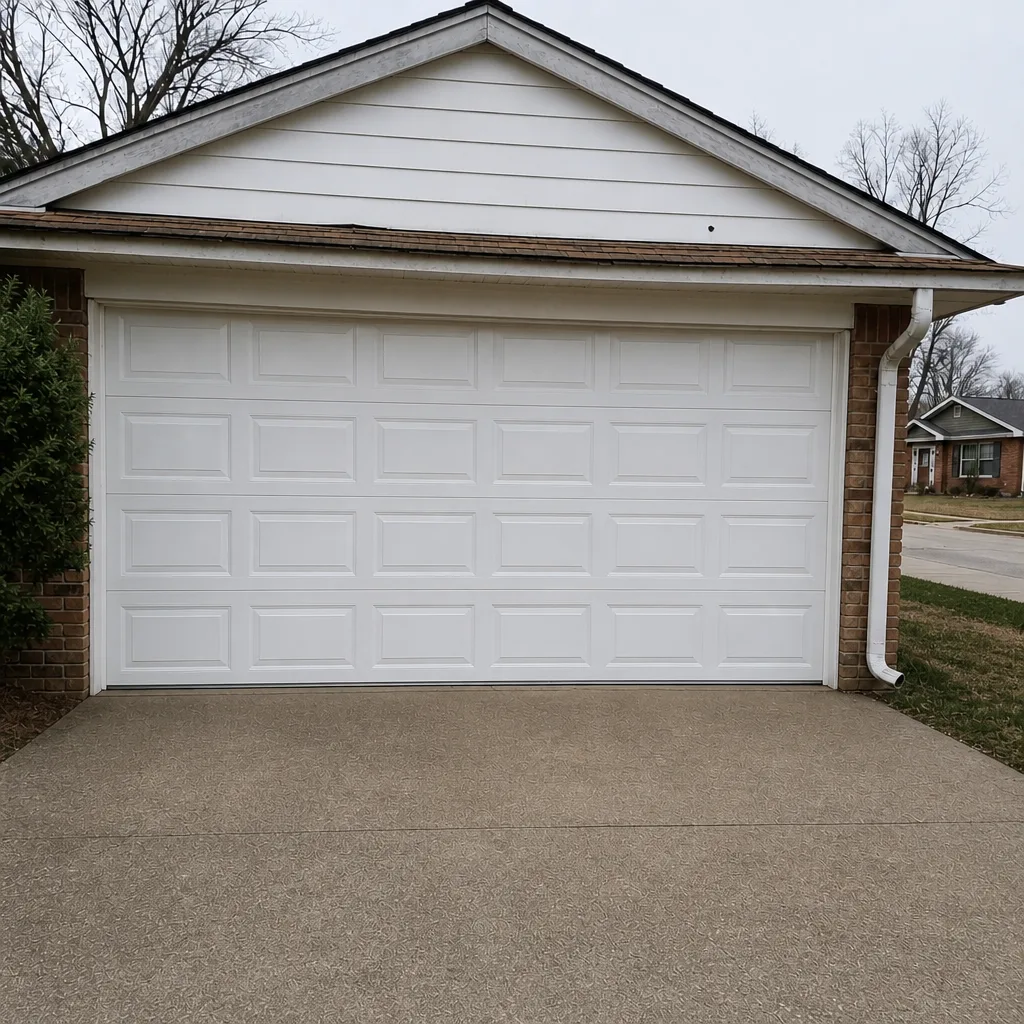 After
Frequently Asked Questions
A full service check once a year, timed in March or October, plus a visual check every season and the reversal test each season. Tulsa’s four distinct seasons each stress different parts, so a single annual visit should include a post-freeze and pre-freeze review.
Summer heat expands steel and can drift torsion spring tension, and it stresses opener electronics that run hot in an unventilated garage. Summer is our high season for opener board failures. Call (855) 962-5268 for an exact quote. Estimates are free.
No. Rock salt and calcium chloride both attack concrete and degrade the rubber bottom seal. Use sand or non-salt grit for traction, and keep any de-icer you do use off the seal and away from the closed door.
Frame drift is gradual movement of the concrete apron and the door frame due to seasonal clay soil shrinkage and swelling. In Tulsa’s heavy clay, this shows up over years as recurring alignment problems: rubbing on one side, light gaps, and repeated limit-switch adjustments.
Small dents are usually cosmetic. Bent stiles, cracked seams, or panels that flex at the seams are structural and should be looked at. A free measure and written estimate from Bedrock Garage Door Repair gives you the scope before choosing repair versus replacement.
Yes, the work is performed by state-licensed, insured technicians. Call (855) 962-5268 for an exact quote on your door. Estimates are free.
The Bottom Line
Tulsa’s four real seasons mean one annual tune-up doesn’t cover it. The schedule that works here is a March post-freeze inspection, a summer heat watch on spring tension and opener boards, a fall wind-seal and weatherstripping review, and a winter de-icing routine that protects the seal and concrete apron. Layer in a year-round awareness of clay-soil frame drift, and you’ll catch most failures before they leave you stuck. Avoid rock salt, skip DIY spring work, don’t force a frozen door, and don’t ignore the same alignment complaint twice. When it’s time for a repair or a new install, get a free estimate and a written price before any work begins. Call (855) 962-5268. We answer 24/7. Fast dispatch from 7am to 7pm, Sunday through Friday.
Written by the team at Bedrock Garage Door Repair.