
Last updated November 14, 2026
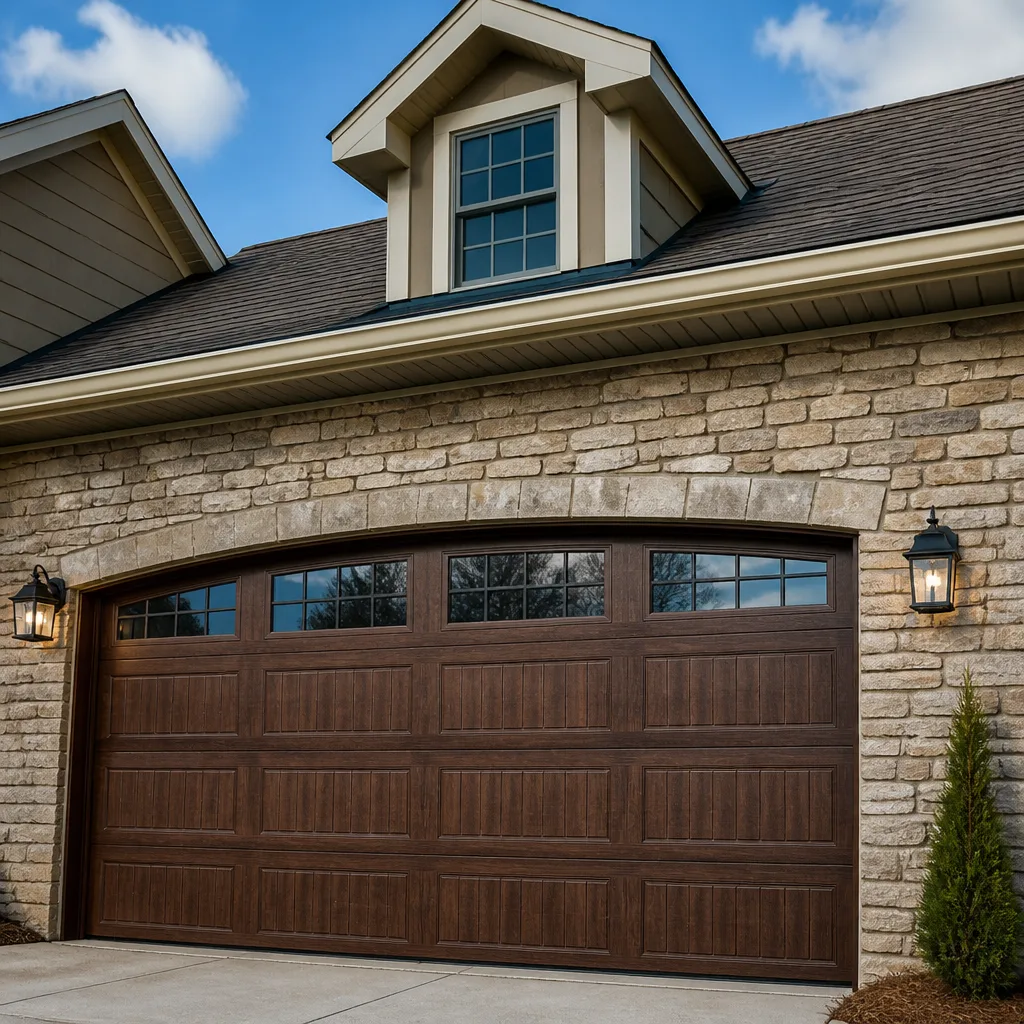
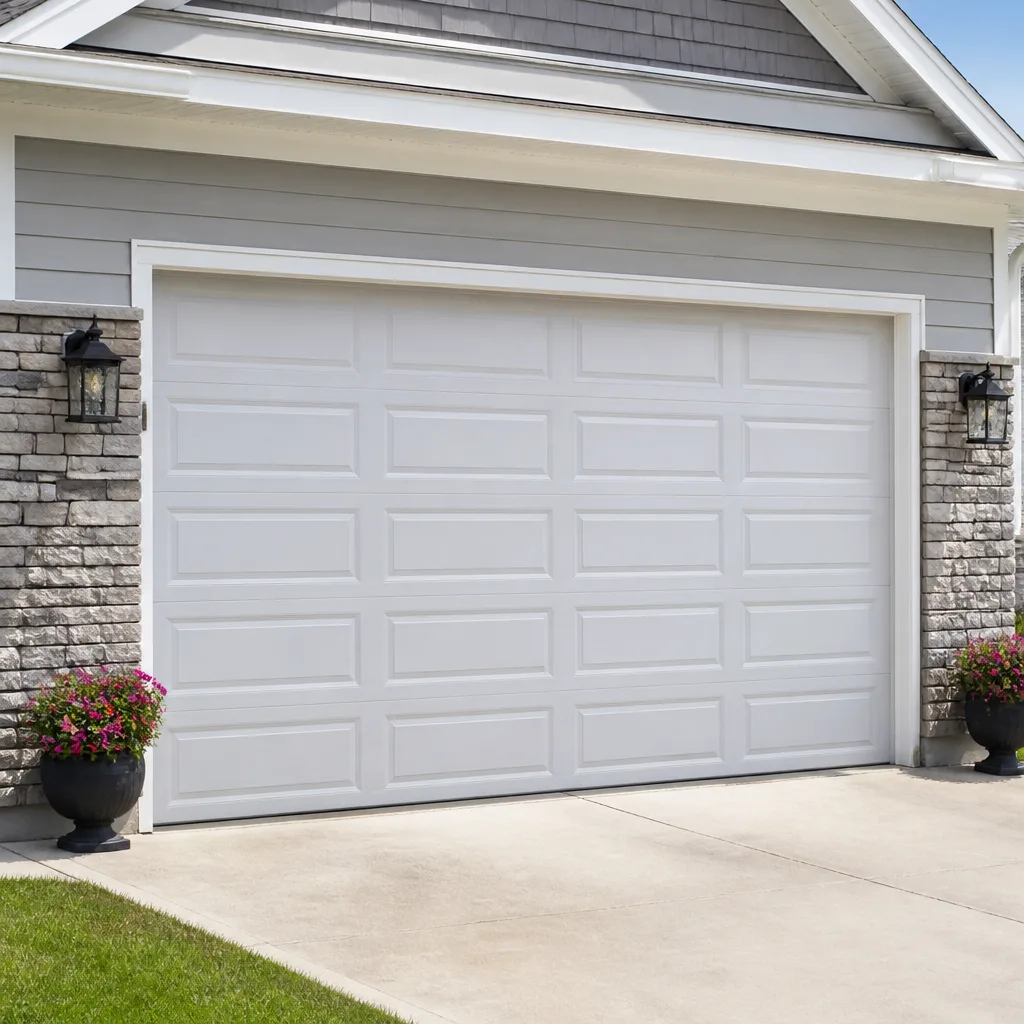 Raised-panel steel
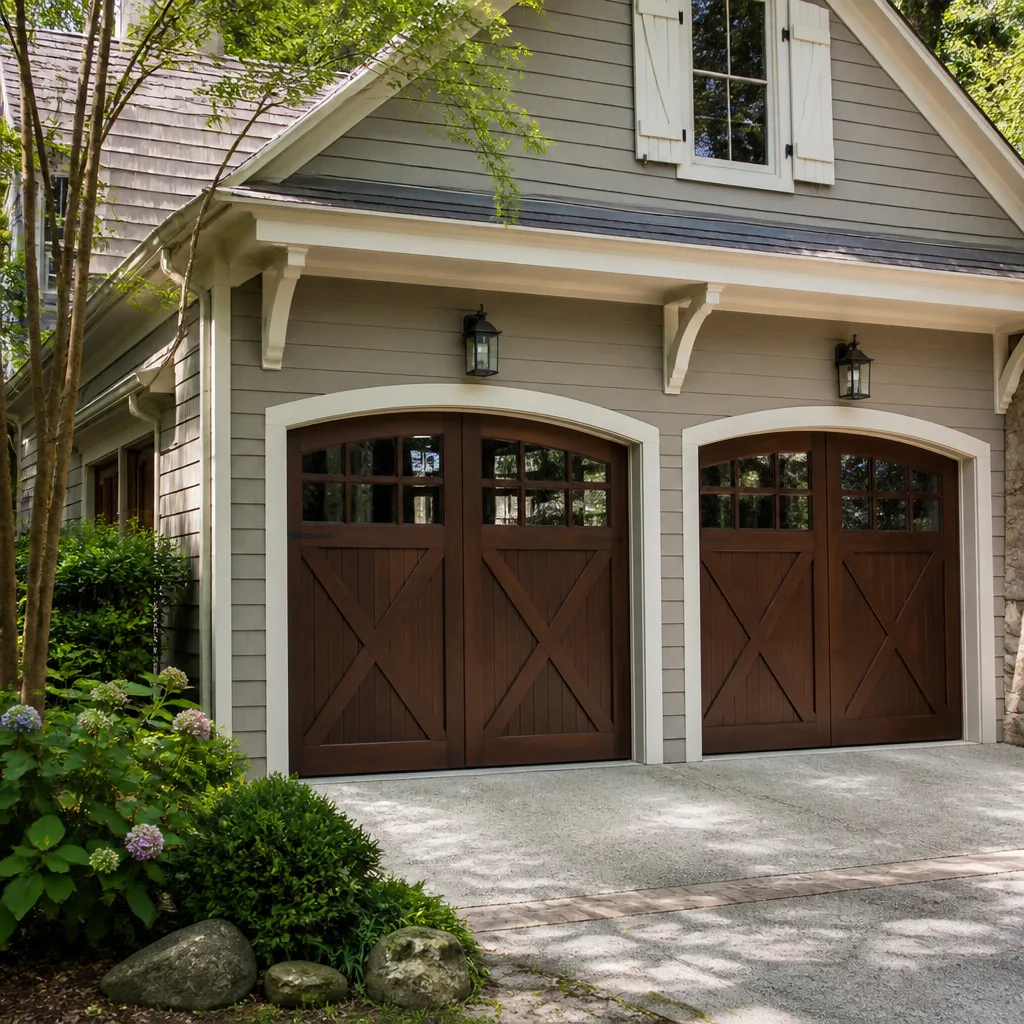 Carriage house
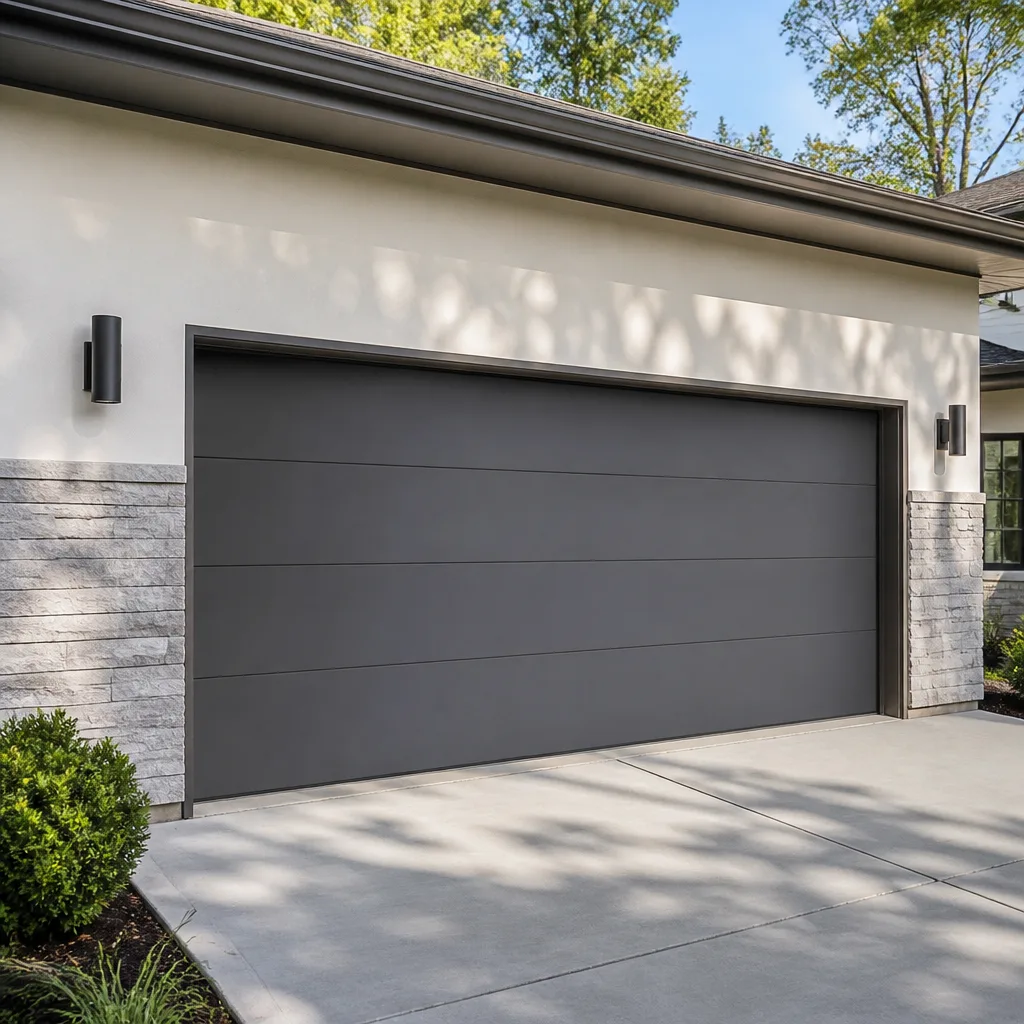 Modern flush
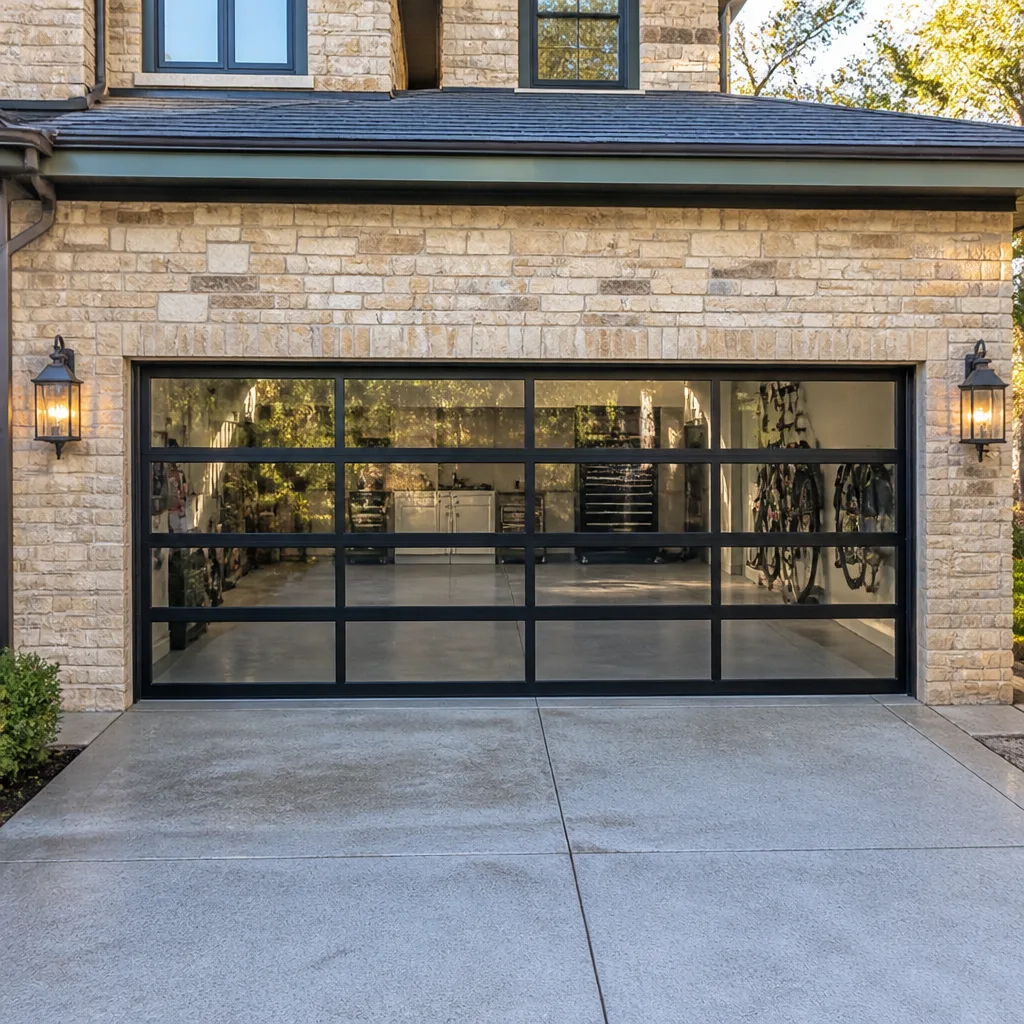 Full-view glass
 LiftMaster openers
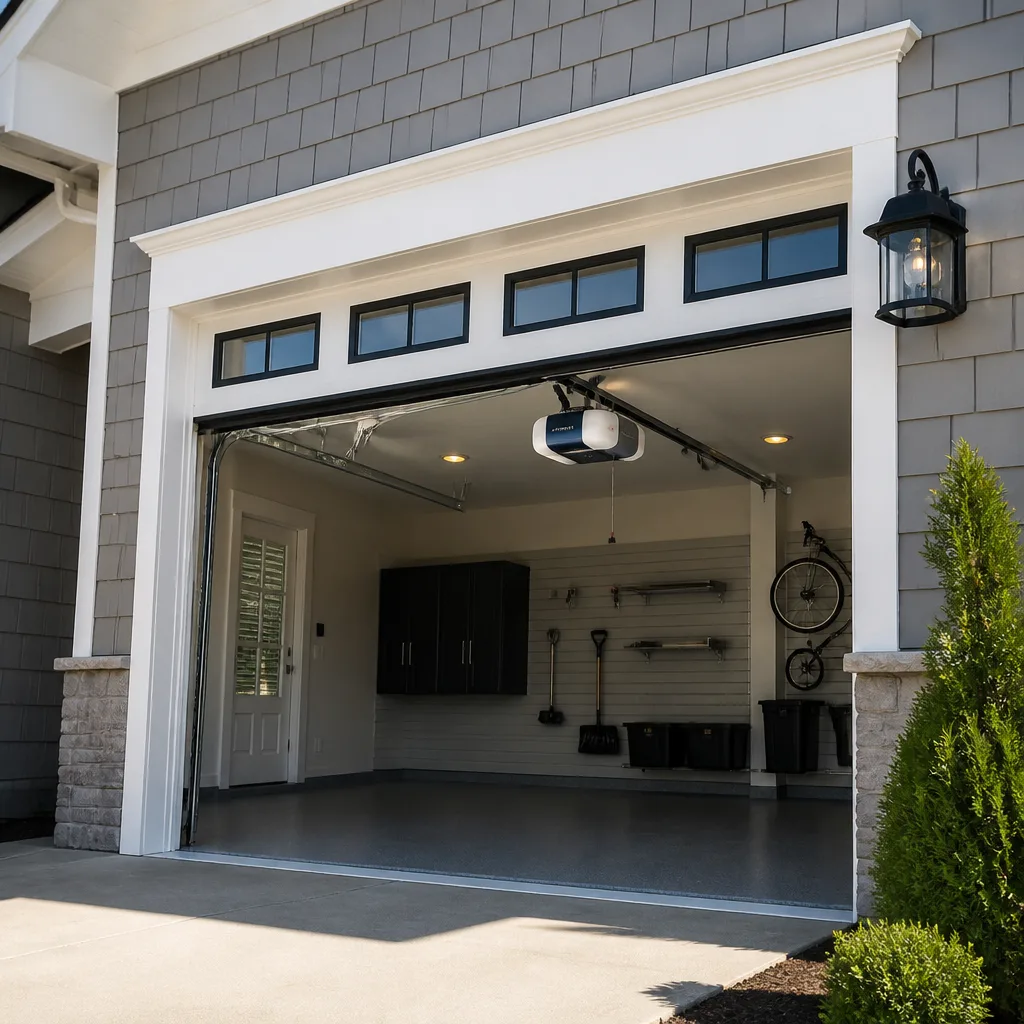 Chamberlain openers
Full 25-point door and opener safety check with every visit - springs, cables, rollers, tracks, and your LiftMaster or Chamberlain opener included
You get a price before we start. It does not change when the pro arrives.
Get your free estimateChoosing the Right Garage Door Brand: A Buyer’s Guide for Tulsa
Here’s the uncomfortable truth about brand recommendations: the name a contractor pushes hardest is often the line that pays them the best margin that quarter, not the panel that holds up best after three Oklahoma summers. Garage doors take a beating in Tulsa. Heat, humidity swings, hail coming off the prairie, and a resale market where curb appeal counts all push different brands in different directions. This guide exists to hand you the criteria that actually matter here – steel gauge, insulation performance in an Oklahoma climate, warranty terms written for this region, and which parts are sitting on a local distributor shelf versus a week out. By the end you’ll know how to compare Amarr, Clopay, Wayne Dalton, Raynor and the rest on numbers instead of sales pitches, and you’ll know the two questions that reveal whether a recommendation is guidance or a sale. We’ve worked on all of these brands across Tulsa, and this is the honest version.
Quick Answer
There is no single “best” garage door brand for Tulsa – the right choice depends on your door type, insulation needs, budget, and how quickly you’d need a part replaced. For most Tulsa homeowners, a 2-inch insulated steel door from Clopay, Amarr, Wayne Dalton, or Raynor will outperform anything else in daily use, and the installation quality matters as much as the badge on the panel. Pick the brand that has local distributor stock and a warranty your installer will actually honor, not the one with the loudest showroom display.
Styles & brands we work with
- Raised-panel steel
- Carriage house
- Modern flush
- Full-view glass
- LiftMaster openers
- Chamberlain openers
Table of Contents
- Why Brand Choice Matters More in Tulsa Than in Most Markets
- Steel Gauge and Insulation: How the Major Brands Actually Compare
- The Tulsa R-Value Question: What Insulation Actually Pays Back
- Parts Availability in the Tulsa Market
- Resale Value Reality: What Tulsa Buyers and Appraisers Recognize
- How to Pressure-Test a Contractor’s Brand Recommendation
- Don’t Forget the Opener: LiftMaster, Chamberlain, Genie, and Craftsman
- Matching the Door to Your Home and Your Use
Why Brand Choice Matters More in Tulsa Than in Most Markets
In a mild climate, most garage door brands behave about the same for the first decade. Tulsa is not a mild climate. A door here faces summer stretches where the surface temperature of a west-facing panel gets hot enough that you don’t want to rest your hand on it, then swings to hard freezes, then to hail season, then back to summer humidity that works its way into every seam and hinge. That cycle is the real test, and it’s the one most brand guides ignore because they’re written for a national audience in generic terms.
Two things follow from that. First, steel gauge and coating quality aren’t abstract specs in Tulsa – they’re the difference between a door that still closes square after several seasons and one that dents at the first shopping cart or dings visibly after one hail event. Second, insulation matters more here than in a place where the garage never gets dangerously hot or cold. An uninsulated door in a Tulsa summer turns the garage into an oven, and in winter it’s a cold box. If your garage shares a wall with the house or holds anything temperature-sensitive, the door’s insulation performance is doing real work every day.
None of that means one brand wins across the board. It means you should be comparing on the variables Tulsa actually stresses, and most sales conversations never get there. The rest of this guide does.
Steel Gauge and Insulation: How the Major Brands Actually Compare
Steel gauge is the single most useful number to ask about, and the one most homeowners never hear. Lower gauge means thicker steel. A 24-gauge door is the thinner end of the mainstream; 25 and 27-gauge are common on builder-grade doors; some premium panels go heavier still. Thicker steel resists denting, holds its shape better through heat and hail, and takes a hinge screw without stripping. Ask specifically what gauge the panel is, not just “steel.”
Here’s how the brands you’re most likely to encounter in Tulsa stack up on the factors that matter:
- Clopay – Broad range from thin builder-grade to heavy insulated panels. Their mid and upper lines are solid on steel thickness and insulation. Widely recognized, so warranty service and parts are easy to source locally.
- Amarr – Strong reputation on insulated steel doors and clean panel profiles. Their heavier lines hold up well in heat. Good fit for homeowners who want a durable insulated door without jumping to the top price tier.
- Wayne Dalton – Long a builder favorite, which means huge installed base in Tulsa-area homes. Quality varies a lot by line, so the specific model matters more than the brand name. Parts are widely available.
- Raynor – Leans commercial-grade on the heavier end. Excellent for property managers and landlords maintaining multiple units, and for homeowners who want a door that takes abuse.
- CHI – A regional player worth knowing. Solid insulated steel doors, often a good value, but you’ll want to confirm local parts support before committing.
- DoorLink – Budget-leaning, common on new-build homes. Fine for a low-traffic door; less ideal for a primary entry a family uses several times a day.
The honest takeaway: brand is a starting point, but the specific model line within a brand drives the real differences. A top-line DoorLink can beat a bottom-line Clopay. Ask for the model, the gauge, and the insulation spec on the actual door you’re buying, not the brand’s reputation in general. When you’re ready to compare what’s on your existing door, our garage door repair team can tell you what you’re working with.
The Tulsa R-Value Question: What Insulation Actually Pays Back
Insulation R-value is the number everyone quotes and almost nobody explains. In Tulsa, the practical question is simpler than the spec sheet: how much insulation do you actually need before the extra cost stops making sense for your garage? R-value measures how well the door resists heat flow. Higher is better, but the payback curve flattens fast. An uninsulated door scores near zero. A single-layer insulated door in the R-6 to R-9 range makes a meaningful difference. Multi-layer doors in the R-12 to R-18 range are the sweet spot for most Tulsa homes, especially where the garage shares a wall or ceiling with living space. Pushing above that is fine if you want it, but the extra heat resistance is rarely the reason to spend more.
What actually pays back in an Oklahoma climate is the combination of insulation and a tight door. A heavily insulated door with worn bottom seals, gapping sides, and a sloppy threshold still leaks air like a sieve. Before you spend on a high-R-value panel, check these on your current setup:
- Look at the bottom seal – is it cracked, flattened, or missing chunks?
- Check the sides and top for daylight you can see from inside with the door closed.
- Feel around the perimeter on a hot afternoon for warm air coming in.
- Look at whether the door sits flush and square in the opening, or hangs uneven at one corner.
If those gaps are big, the fix may be sealing and adjustment rather than a whole new door. We’ve seen plenty of Tulsa garages where a modest insulated door plus proper sealing outperformed an expensive high-R panel on a leaky frame. If the door is aging and the frame is sound, a full replacement makes more sense. Either way, if your opener is acting up while you’re evaluating a new door, our garage door opener repair service handles the electronic and mechanical side separately from the door itself.
Parts Availability in the Tulsa Market
Here’s a factor most brand guides skip entirely, and it’s the one that bites homeowners in a real way: how fast can a common part be replaced when the door breaks. A door that’s technically superior but needs a week-long lead time on a hinge, roller, or opener component leaves you with a stuck door and a parked car. A slightly less premium door with parts on a local shelf keeps you moving.
In the Tulsa market, the brands with the deepest local distributor stock are generally the ones with the biggest installed base – the household names you see on most driveways. Clopay, Wayne Dalton, Amarr, and LiftMaster/Chamberlain opener components tend to be the easiest to source quickly. Raynor leans commercial and sometimes needs a day or two on specialty parts, though common wear items are usually available. Less common or regional brands can be fine doors, but you should confirm where the parts come from before you commit, because a five-day wait on a $15 roller is a frustrating surprise.
What to ask before you buy any brand:
- Where does the installer source common parts – hinges, rollers, cables, springs, opener gears and sensors?
- Are those parts normally in local stock, or ordered from a regional warehouse?
- On a warranty claim, does the replacement part come from local stock or a factory order?
- For a multi-unit property, can they keep a small stock of common wear parts on hand for your buildings?
This is exactly the kind of question that separates a durable choice from a pretty one. It’s also why we work across eight of the most-installed brands – Bedrock Garage Door Repair diagnoses across brands rather than pushing whatever one happens to be stocked.
Resale Value Reality: What Tulsa Buyers and Appraisers Recognize
Here’s a piece of the brand conversation almost nobody tells you: some brands carry real curb appeal in a Tulsa resale, and some are genuinely just as good while carrying none. A buyer walking up to a home notices three things about the garage door – condition, color and style, and whether the hardware looks sound. Appraisers and inspectors are looking at function and safety, not brand badges. They can’t tell a Clopay from a Raynor from the street, and an inspector’s report doesn’t list a brand preference.
What that means in practice:
- Recognized brands like Clopay and Wayne Dalton add a small measure of confidence for buyers who’ve heard the names, but only if the door is in good shape and matches the house.
- Equally good brands with less name recognition (a well-made Amarr or a heavy commercial-grade Raynor) can be just as durable and just as good-looking, but won’t carry the same “oh, that’s a nice brand” reaction – because the buyer never sees a brand.
- Installation quality matters more than either. A well-fitted mid-tier door reads better than a sloppy high-end one at any showing. Square, level, smooth travel, quiet operation, and sharp trim all say “this home is maintained.”
If resale is your driving factor, spend your extra dollars on a door profile and color that match the house and the block, and on clean installation, before you spend them on a premium brand name. Buyers notice curb appeal; they don’t read serial numbers. Where a premium brand does earn its keep is durability over the years you own the home – and that’s what Tulsa weather will test.
How to Pressure-Test a Contractor’s Brand Recommendation
Any contractor recommending a brand is making a choice on your behalf. Sometimes that’s informed guidance. Sometimes it’s a dealer relationship dressed up as advice. You can tell the difference in about two questions, and you should ask both before anyone orders a door. A straight answer takes seconds. A sales pitch changes the subject.
Question 1: “Why this brand for my home, specifically?” A contractor who’s guiding you will give you reasons tied to your situation – the gauge, the insulation, the profile matching your house, how the door handles Tulsa heat and hail, whether parts are local. A contractor selling you will give you brand-level slogans (“they’re the best,” “everyone loves them”) with nothing about your specific door. If the answer would fit any customer in any city, it isn’t advice for you.
Question 2: “What would you recommend if this brand weren’t available?” This one flushes out whether the recommendation is driven by your needs or by a supply arrangement. A brand-agnostic contractor will name comparable alternatives and explain the trade-offs. A dealer-locked contractor will tell you there’s no real alternative, or hedge. The right answer names at least one other brand and says why it would or wouldn’t fit your home.
A few more things a straight consult will include without being pushed:
- The specific model, not just the brand name – and the gauge and insulation rating on the actual door.
- An honest comparison against at least one alternative, with the trade-offs stated plainly.
- A warranty explanation covering what’s covered, for how long, and what voids it.
- A written estimate with the price agreed before any work starts.
- Parts sourcing – where the common wear items come from if something fails.
Those last two matter as much as the diagnostic. You should never sign off on a job without a written price you’ve agreed to up front. We build every estimate that way.
Don’t Forget the Opener: LiftMaster, Chamberlain, Genie, and Craftsman
The door gets all the attention, but the opener is what actually runs the system every day, and it’s where a lot of “brand” decisions get made by default. The four openers you’ll see most in Tulsa homes are LiftMaster, Chamberlain, Genie, and Craftsman. Here’s what matters when you’re choosing or replacing one:
- LiftMaster – The professional-install line and a very common choice for new installs. Strong on safety features, quiet belt and chain options, and consistent local parts support.
- Chamberlain – The consumer and retail sibling of LiftMaster, sharing much of the underlying technology. Widely available, easy to source parts for, and a solid fit for a homeowner replacing one at a time.
- Genie – Common on existing homes, generally dependable, and a reasonable value. Parts widely available, so service is straightforward.
- Craftsman – Huge installed base because it was a fixture in home-building for years. Older Craftsman units are everywhere in Tulsa and worth repairing when parts allow, though on very old units a replacement can make more sense.
Two opener rules apply regardless of brand. First, safety features aren’t optional – the auto-reverse system and the safety sensors at the bottom of the track are there to keep children and pets safe, and a working opener without them is a liability, not a convenience. Second, an opener that’s mismatched to the door weight and size works harder than it should, which shortens its life. When you’re evaluating a door brand, ask whether your existing opener is rated for the door you’re considering – if not, budget for the opener too. That’s one reason we treat opener repair as its own service rather than an afterthought; the electronic and mechanical systems behind the panel are where most real failures start.
Matching the Door to Your Home and Your Use
The last piece is the one most brand guides leave out: the right door for your house isn’t just a brand and a gauge, it’s a door that fits how you use the garage and what your home needs. Get this right and the brand choice gets simpler, because your needs narrow the field before you ever compare logos.
Start with how the garage functions in your day. If it’s your primary entry – your car, your kids, your dog, your groceries all come through it several times a day – duty cycle matters. A lighter door can wear faster under heavy daily use, and you’ll want thicker steel and better hardware. If it’s mostly a storage and occasional-use space, a mid-tier door is fine. If it’s a multi-unit property with mixed-brand doors, durability and parts availability rise above curb appeal every time.
Then match to the home:
- Style – carriage-house, raised-panel, and flush profiles read very differently on a mid-century ranch versus a newer build. Match the profile to the architecture, not to the brochure.
- Color – neutral tones age best and hold resale value. A dramatic color is a commitment; make sure it fits the house, not just your taste.
- Insulation level – shared walls or temperature-sensitive contents push you up the R-value range; a detached or unshared garage can sit lower.
- Window and trim options – they add curb appeal, and they add cost and cleaning. Choose with eyes open.
Once you’ve defined those needs, the brand comparison becomes a short list of two or three models that meet them. That’s the right order – needs first, brand second. From there, get a written estimate, confirm the parts and warranty picture, and confirm the install will be done by the same people who’ll service it later. Single-provider continuity saves real hassle down the road, whether it’s a repair, an opener fix, or a full replacement.
Common Mistakes to Avoid
- Choosing the brand with the loudest showroom display. Display space is marketing, not a durability test. Ask about steel gauge and the specific model behind the display.
- Comparing brand names instead of model lines. Every major brand has strong and weak lines. Two doors from the “same” brand can differ more than two doors from different brands. Ask for the model, gauge, and insulation spec.
- Ignoring parts availability until something breaks. In Tulsa, a common part that’s a week out means a stuck door. Confirm local stock before you buy.
- Paying for a high R-value on a leaky frame. Insulated doors without tight seals leak air and waste the money you spent. Fix the sealing and adjust the frame before or alongside the upgrade.
- Buying on curb appeal alone for a primary-use door. A door you use every day needs to hold up to daily wear, not just look good from the street. Durability first, style second.
- Taking a verbal recommendation without a written estimate. The written estimate is the price. If a contractor won’t put it in writing with the model and spec, walk.
- Forgetting the opener when upgrading the door. A mismatched opener strains, shortens its life, and sometimes can’t lift the new door safely. Budget for it if the ratings don’t match.
See the difference
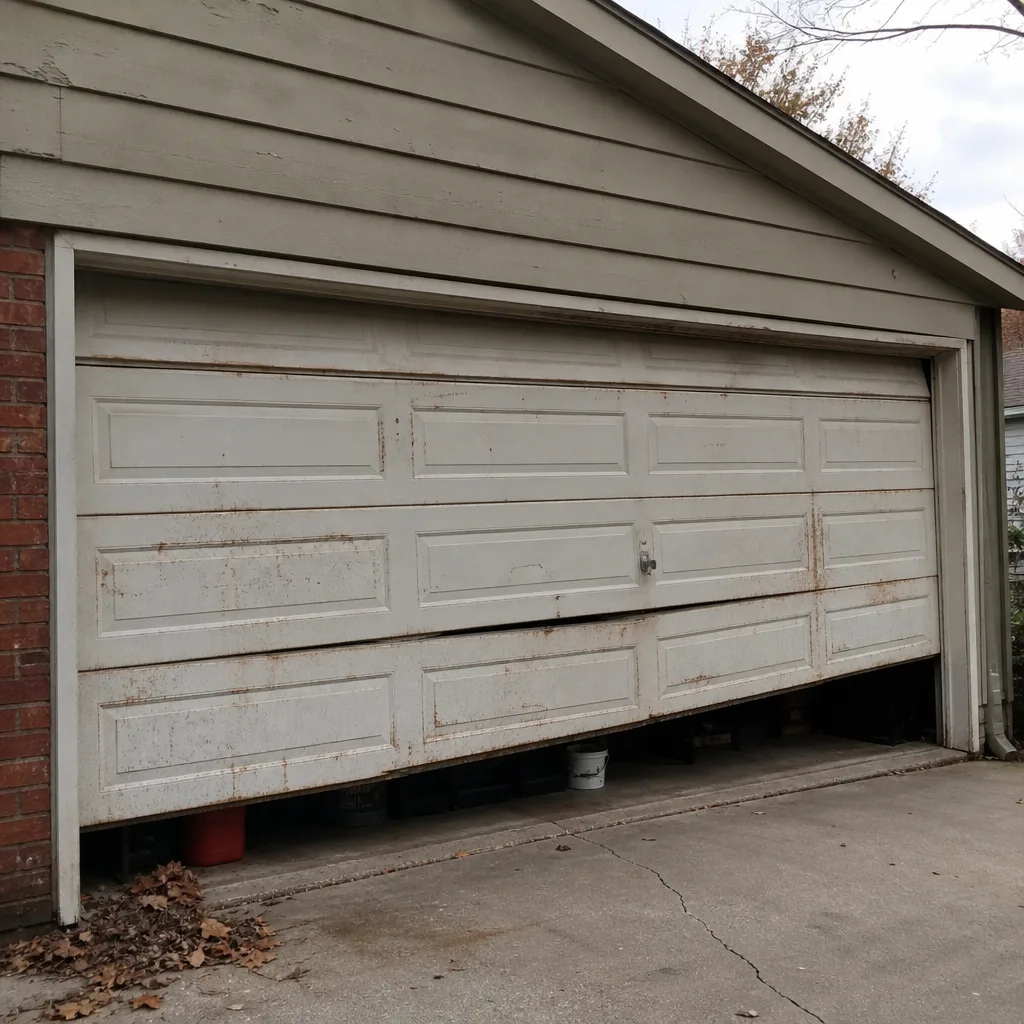 Before
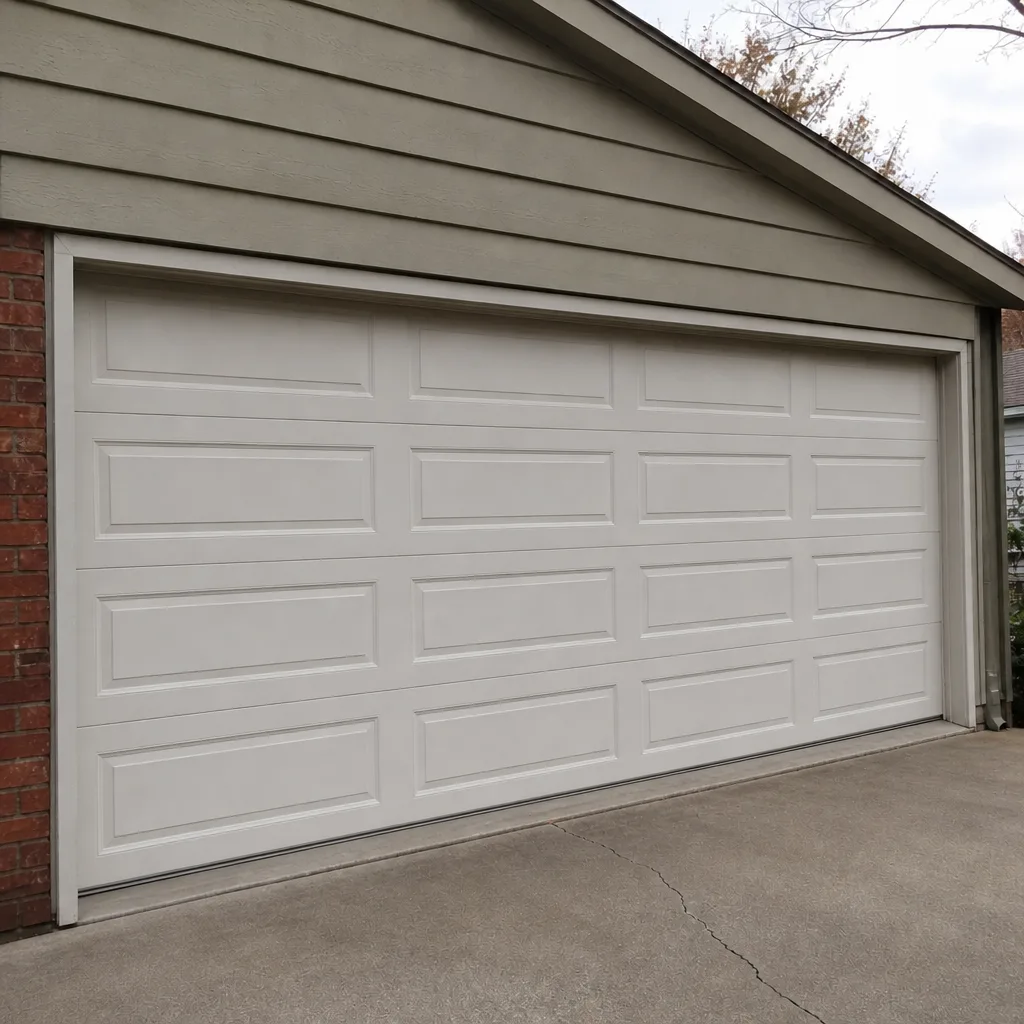 After
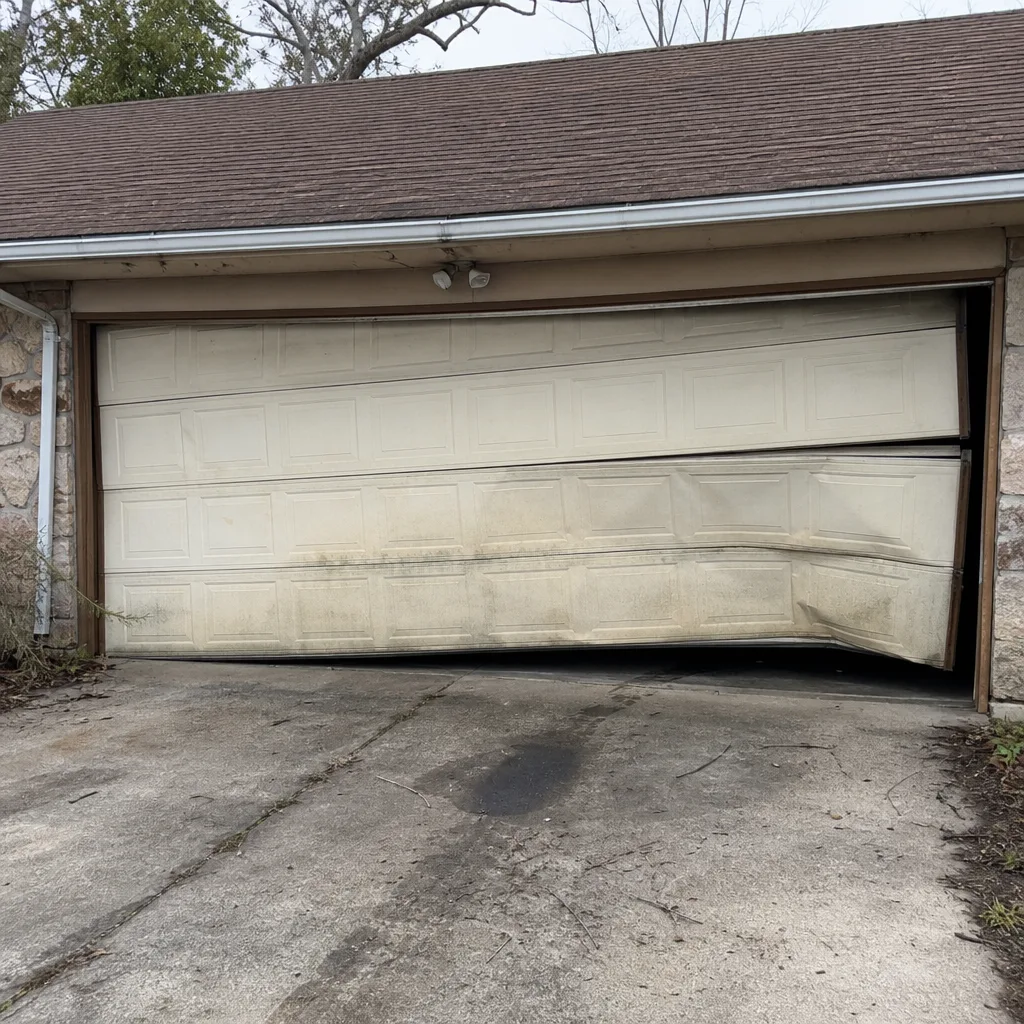 Before
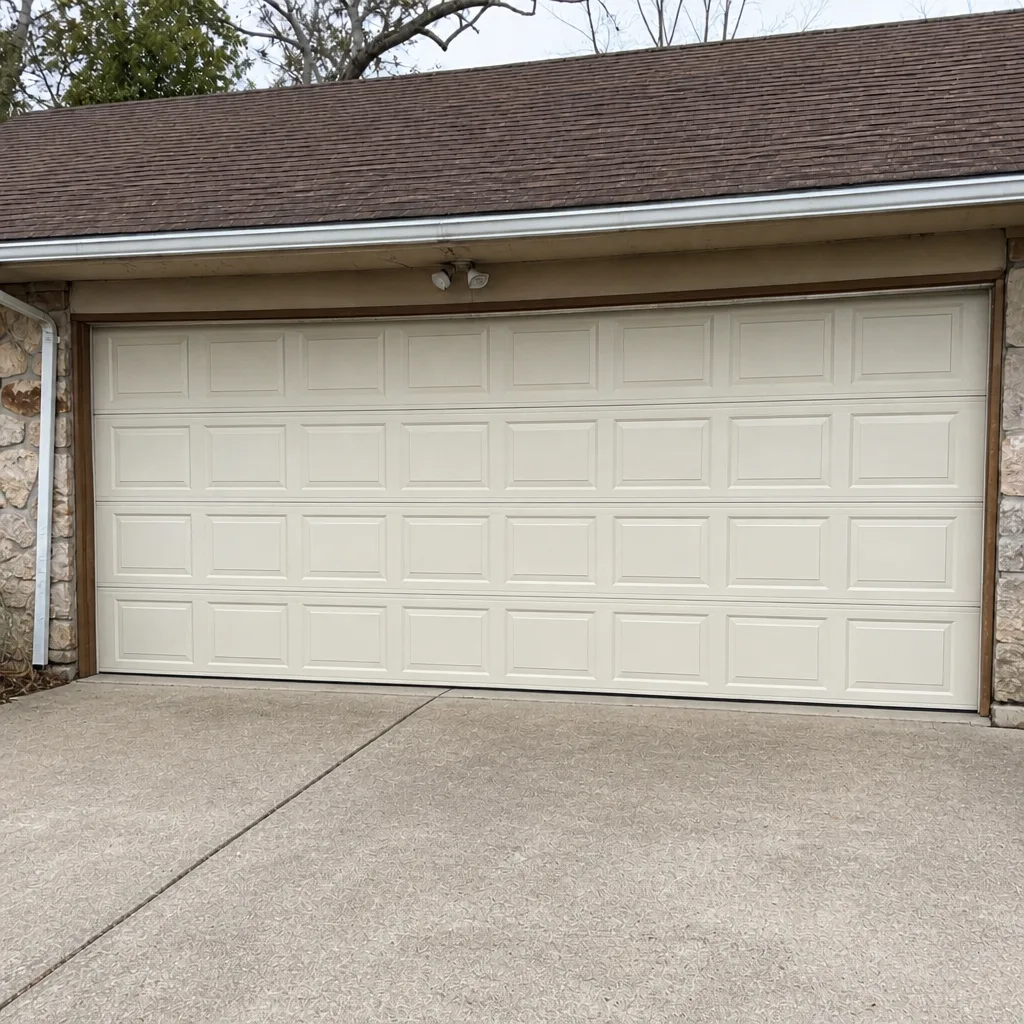 After
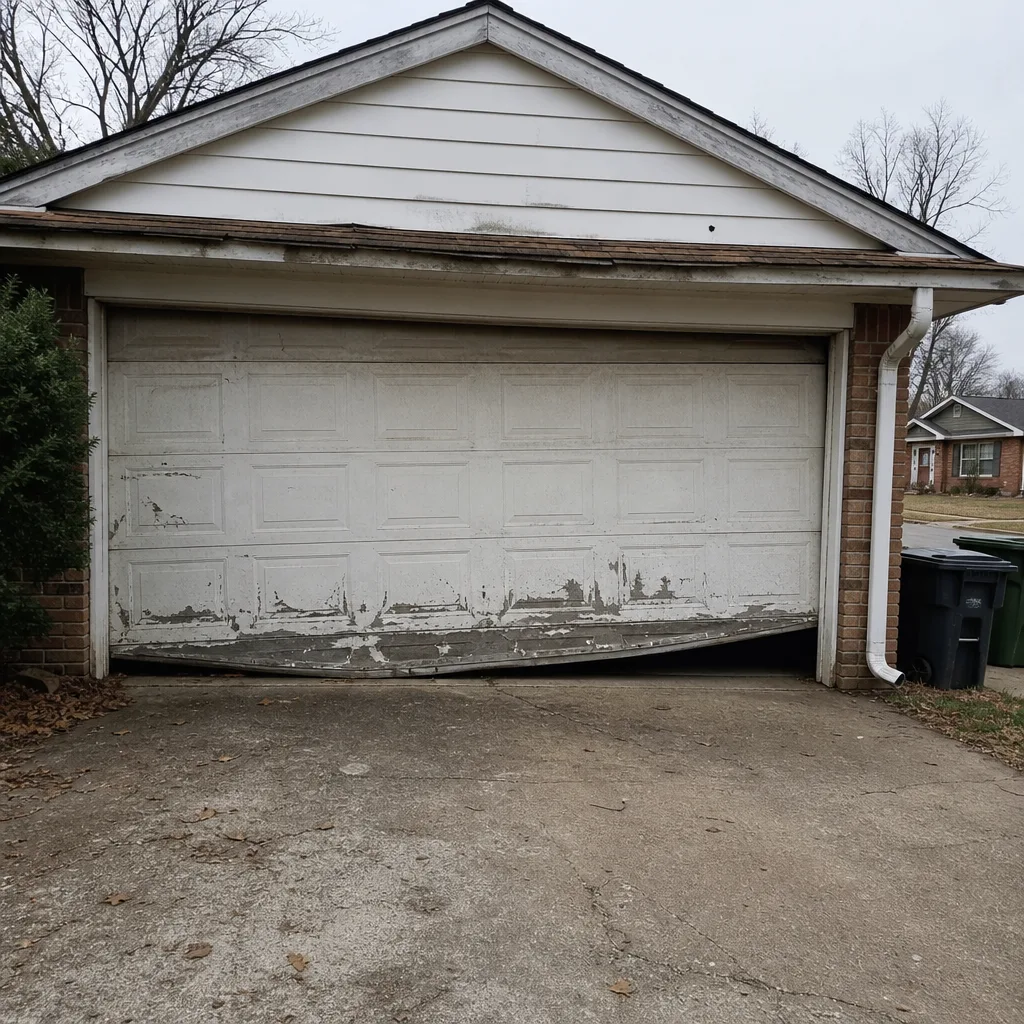 Before
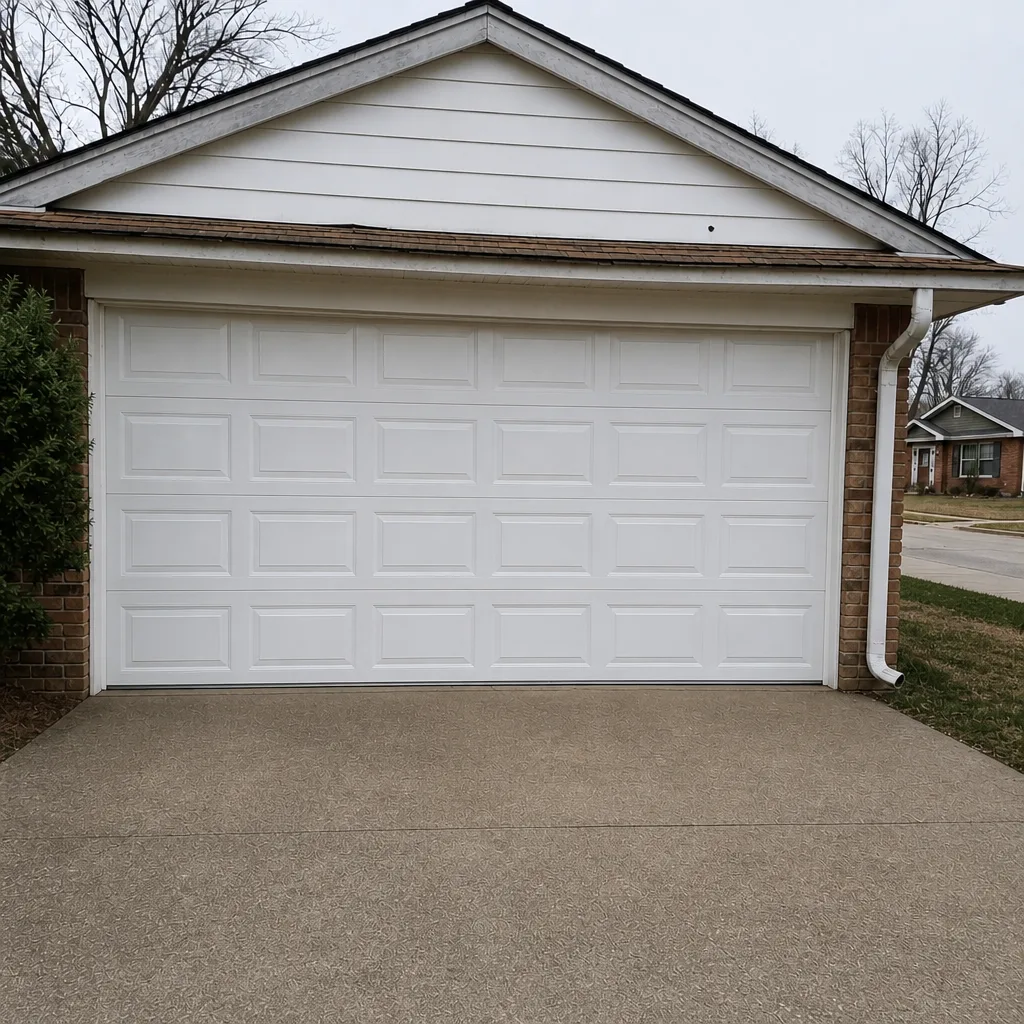 After
When to Call a Professional
Some decisions are fine to research on your own, but a few situations call for a trained technician – and in a couple of them, the risk is real. Springs and cables under tension are genuinely dangerous and should never be handled by anyone without proper training and tools: they can release with enough force to cause serious injury, and we never recommend DIY work on them. Electrical work on the opener’s wiring and the low-voltage safety sensors also calls for a professional, both for safety and for the door to function reliably. And if your door is off its tracks, won’t close flush, or fails to reverse when tested, that’s a call, not a project. Bedrock Garage Door Repair offers free estimates in Tulsa – call (855) 962-5268. We answer 24/7, with fast dispatch from 7am to 7pm, Sunday through Friday.
Frequently Asked Questions
There isn’t one universal winner – it depends on your door type, insulation needs, budget, and the parts picture. For most Tulsa homes, a well-made insulated steel door from Clopay, Amarr, Wayne Dalton, or Raynor in the 2-inch range performs well. The specific model, gauge, and installation quality matter more than the brand badge. Call (855) 962-5268 for a free estimate with the models and specs spelled out for your home.
Yes, but mostly at the model-line level rather than the brand level. Each offers strong mid and upper lines and more basic builder lines, and the specific gauge, insulation, and hardware can differ more between models of the same brand than between comparable models of different brands. Compare model specs side by side. We work across all three, so our recommendation can follow your home’s needs rather than a single supplier. Call (855) 962-5268.
For most Tulsa homes, R-6 to R-12 covers the practical payback, and pushing to R-12 to R-18 makes sense where the garage shares walls or ceiling with living space. Anything higher is fine if you want it, but the extra heat resistance usually isn’t the reason to spend more. Sealing and adjusting the door frame matters as much as the R-value itself. Get a free estimate and we’ll tell you what your garage actually needs.
Brands with the biggest installed base – Clopay, Wayne Dalton, Amarr, and LiftMaster/Chamberlain opener components – tend to have the deepest local distributor stock, so common wear items are usually easy to source. Raynor leans commercial and sometimes needs a day or two on specialty parts. Before you buy any brand, ask where the common parts come from and whether they’re in local stock. Call (855) 962-5268 with any questions about what we carry support for.
Not as much as you’d expect. Appraisers and inspectors look at function and safety, not brand badges, and buyers can’t tell the brand from the street. What buyers do notice is door condition, color and style matching the house, and whether the hardware looks sound and operates smoothly. Spend your extra dollars on a profile and color that fit the home and on clean installation before you spend them on a premium name. Call (855) 962-5268 to talk through options.
Our priority is the brands we work on most – LiftMaster, Chamberlain, Genie, Clopay, Amarr, Wayne Dalton, Craftsman, and Raynor. If your door is from another brand, call and we’ll tell you honestly whether we can help, and if we can’t, we’ll point you toward someone who can. Honest limits are part of doing the job right. Call (855) 962-5268. We answer 24/7, with fast dispatch from 7am to 7pm, Sunday through Friday.
The Bottom Line
Choosing a garage door brand for Tulsa starts with your home and how you use the garage, not with the brand on the showroom wall. Get the steel gauge, insulation level, and model line right for your situation. Confirm that common parts are locally available so a broken roller doesn’t leave you stuck for a week. Match the profile, color, and insulation to the house. Pressure-test any recommendation with two questions – “why this brand for my home, specifically?” and “what would you recommend if this brand weren’t available?” – and expect straight answers. Then get a written estimate with the price agreed before any work starts. Our technicians have up to 12 years of experience across eight of the most-installed brands, and we treat repair, opener repair, and new installation as one continuous job. Whichever brand fits your home, the right install and honest guidance are what keep it working for years.
Ready to compare options or get a problem diagnosed? Call (855) 962-5268 for a free estimate. We answer 24/7, with fast dispatch from 7am to 7pm, Sunday through Friday, and estimates are always free with the price agreed up front. Or learn more about our Tulsa service area and what we cover.
Written by the team at Bedrock Garage Door Repair.