
Last updated November 14, 2026
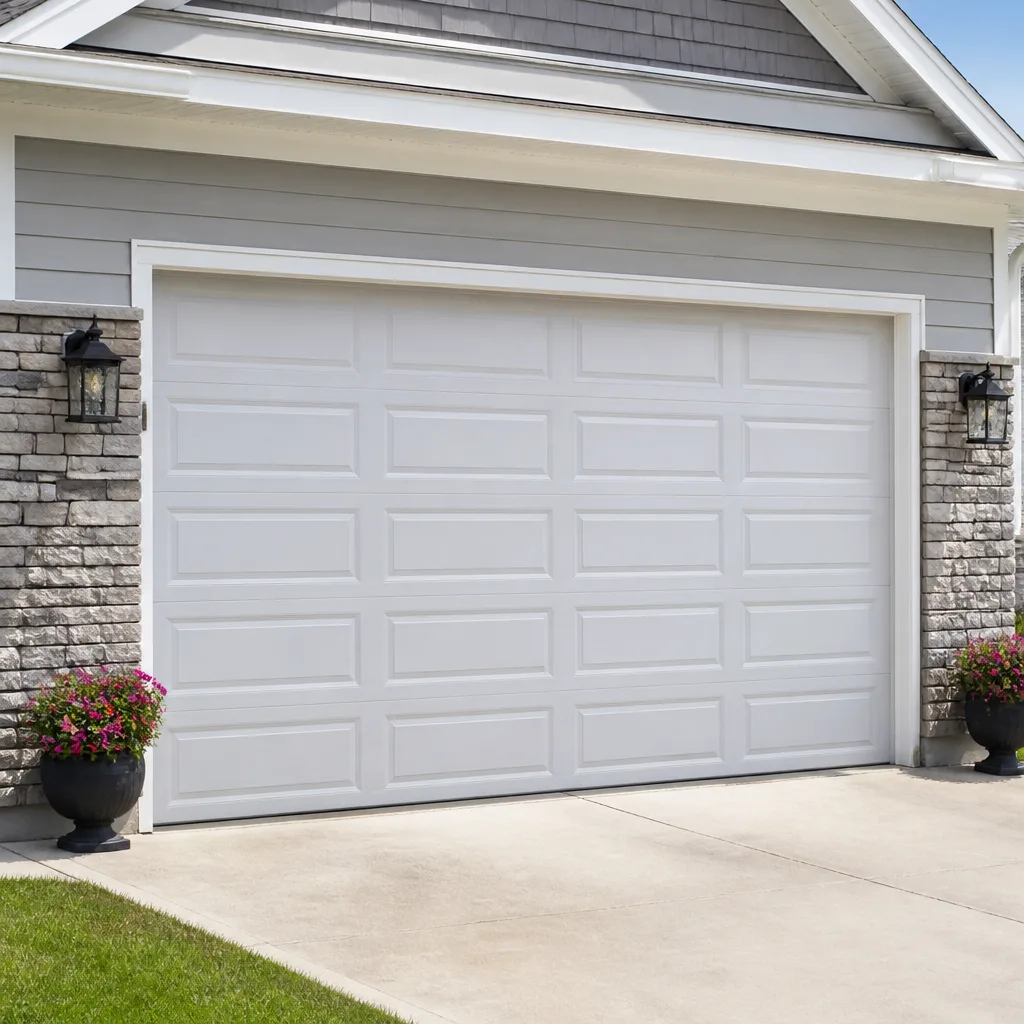 Raised-panel steel
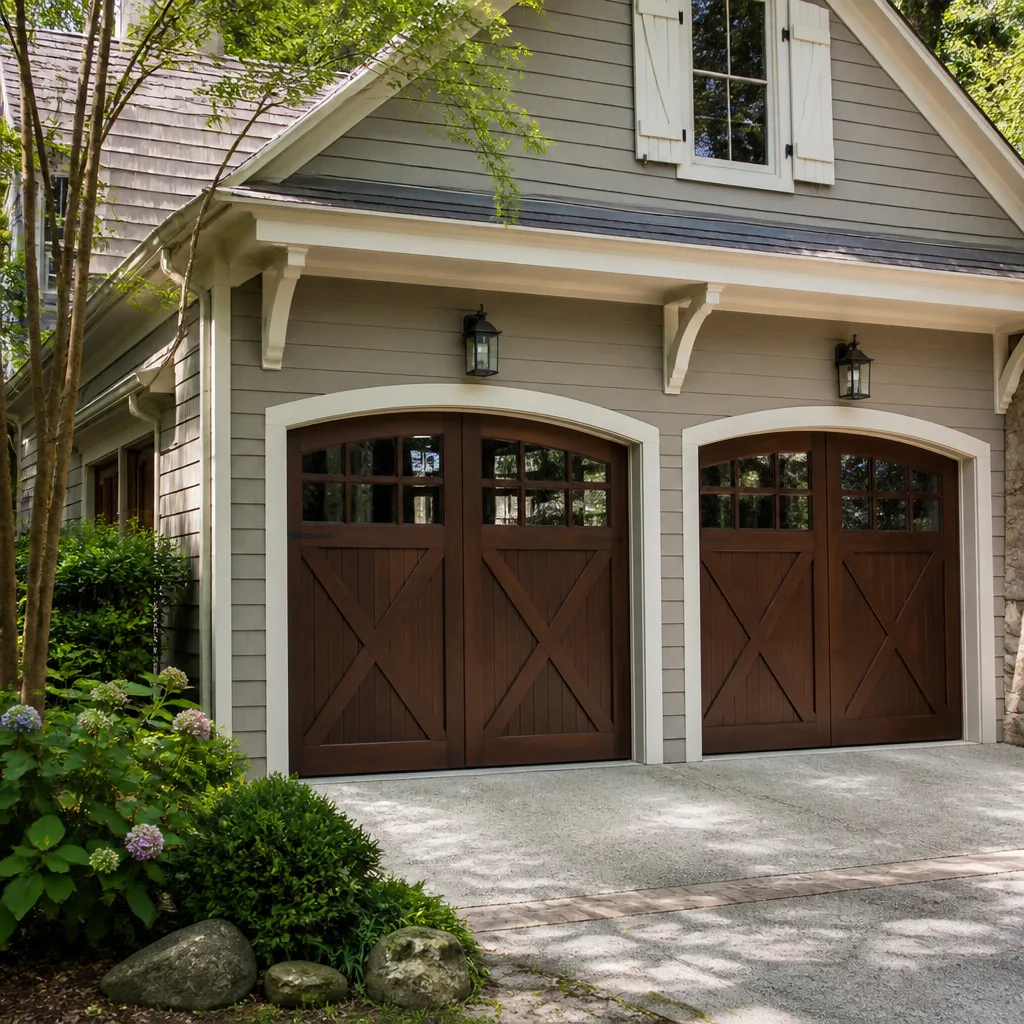 Carriage house
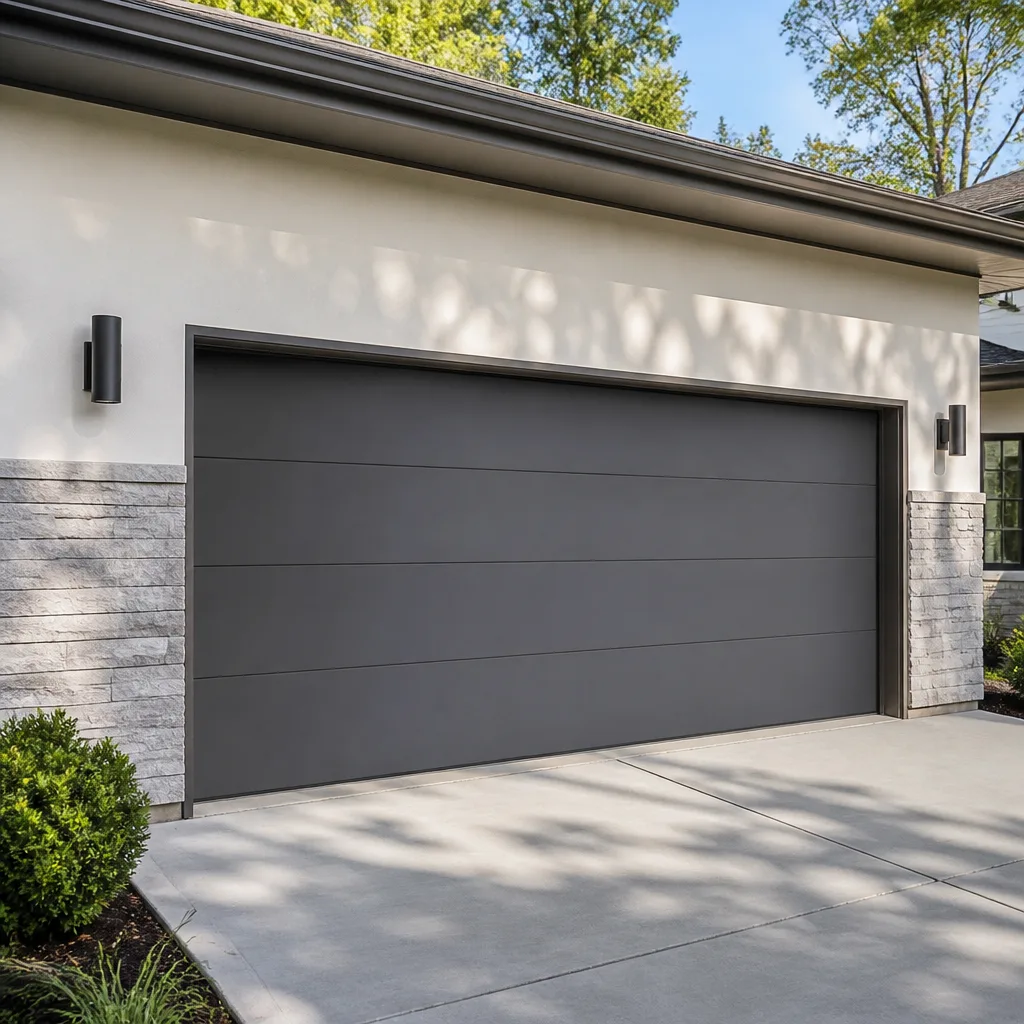 Modern flush
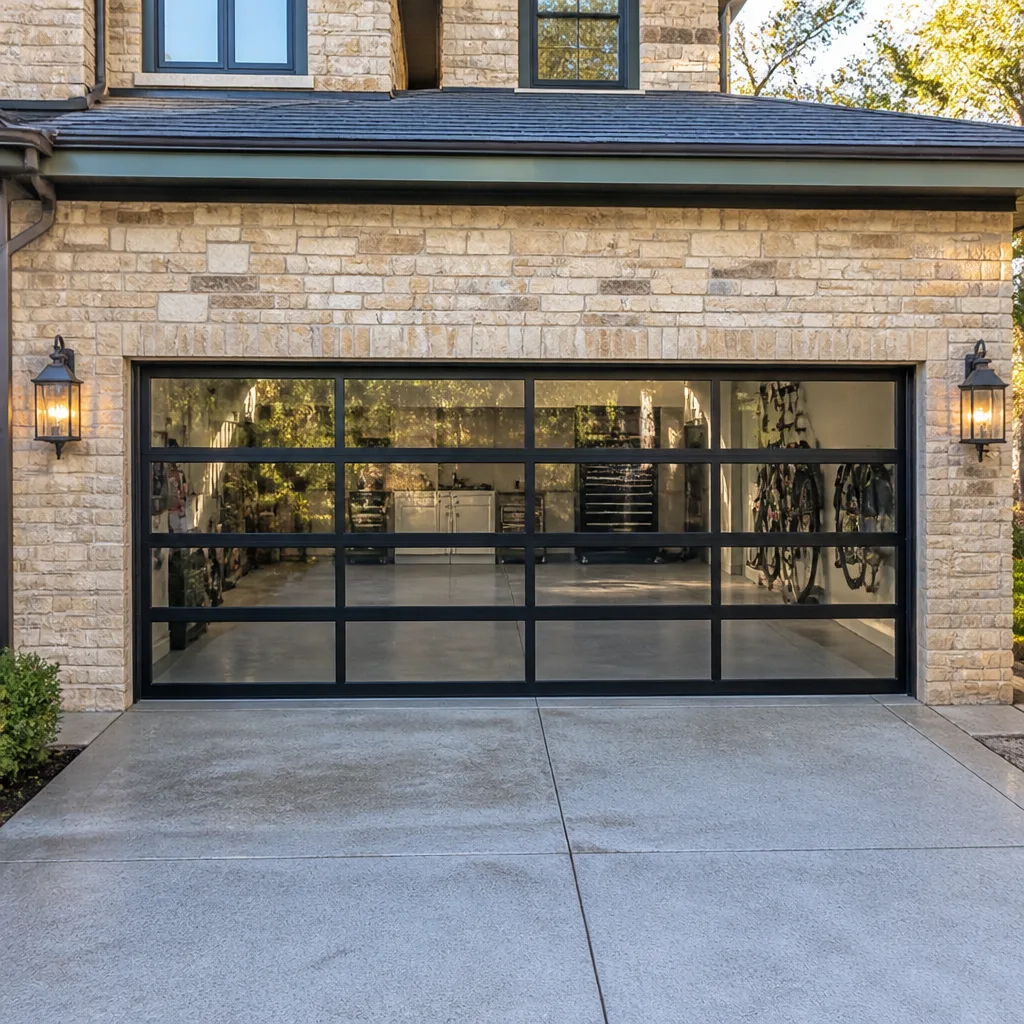 Full-view glass
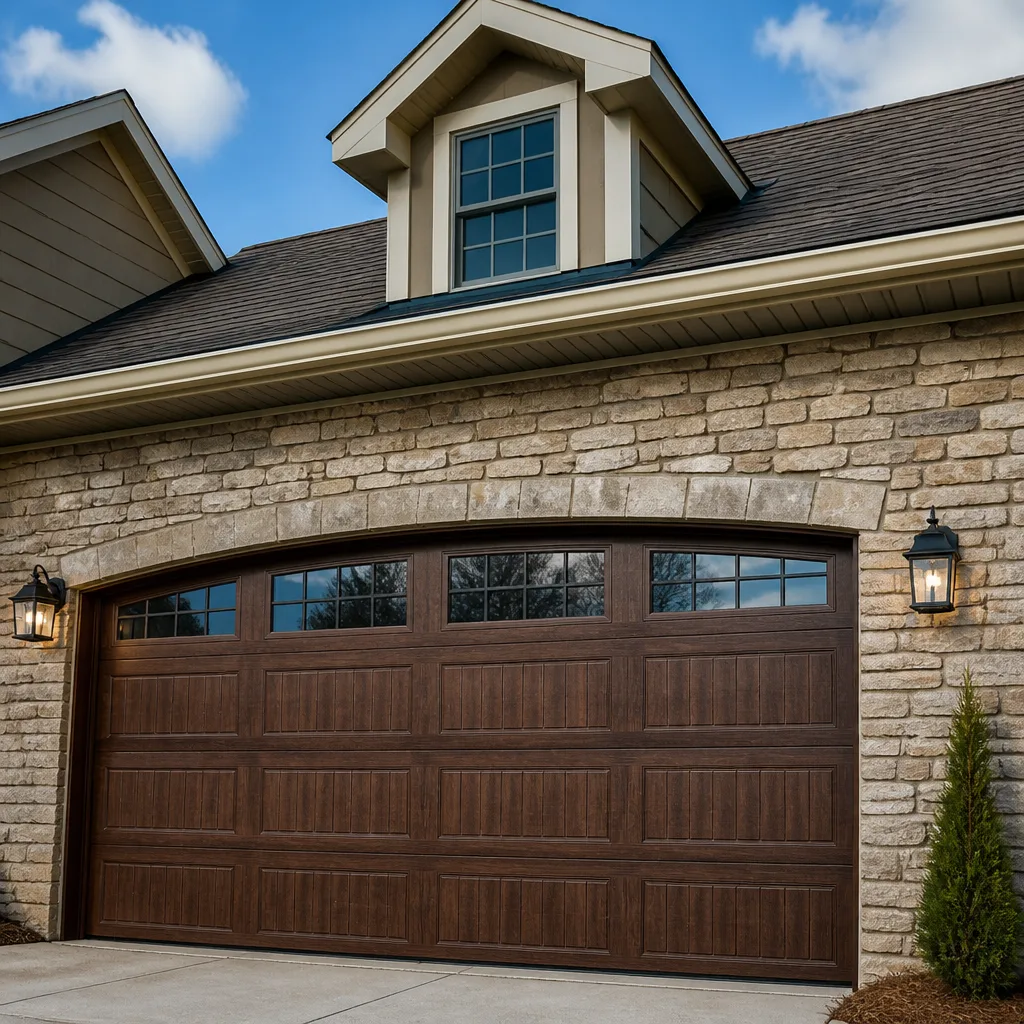 LiftMaster openers
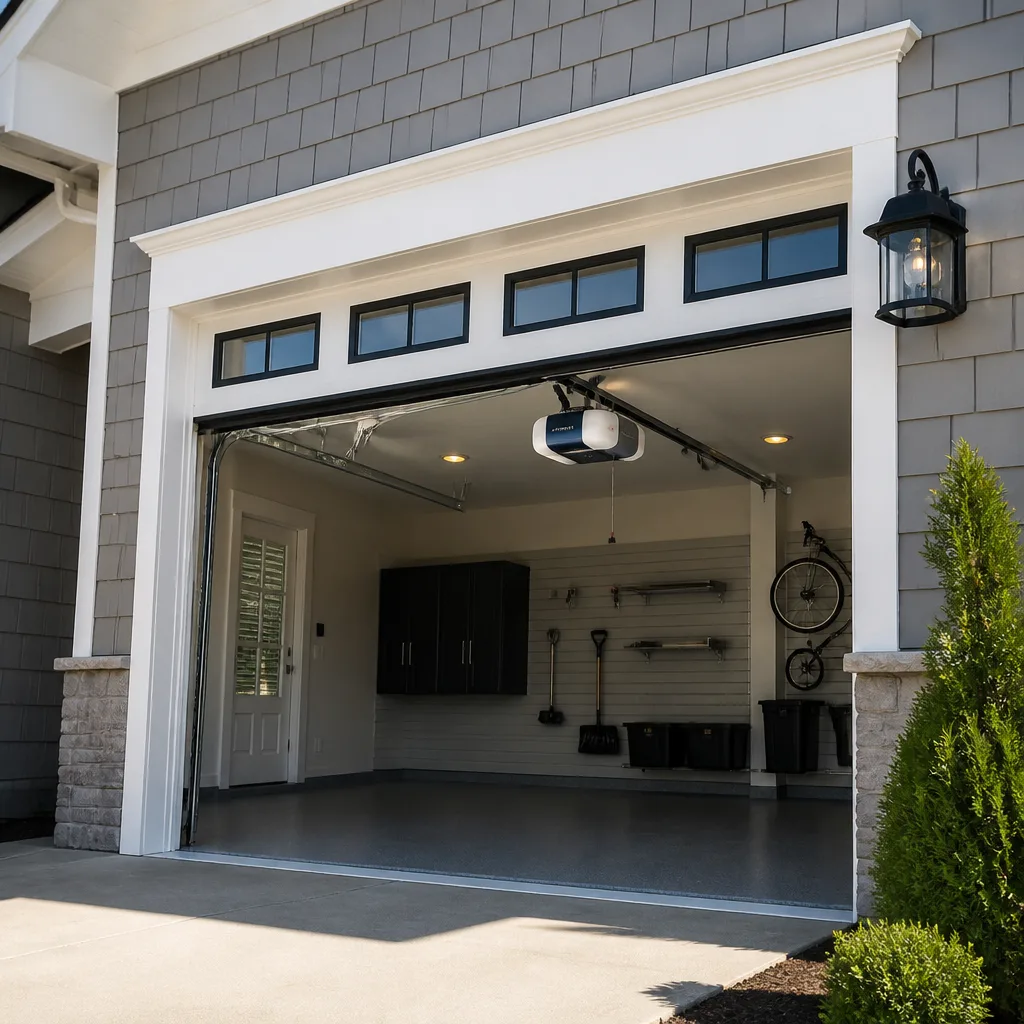 Chamberlain openers
Full 25-point door and opener safety check with every visit - springs, cables, rollers, tracks, and your LiftMaster or Chamberlain opener included
You get a price before we start. It does not change when the pro arrives.
Get your free estimateDIY vs Professional Garage Door: The Tulsa Homeowner’s Decision Guide
Torsion springs store enough energy to cause serious injury when released improperly. That’s not liability language meant to nudge you toward a phone call. It’s physics, and it’s the reason most garage door advice splits into two unhelpful camps: fix everything yourself, or touch nothing and call someone. Neither helps a homeowner in Tulsa make a real decision about a real door. The honest answer lives in the middle. Some garage door tasks are well within reach for a careful homeowner with a Saturday and a socket set. Others carry a risk profile where a mistake doesn’t just cost money, it hurts. This guide draws the line task by task, explains exactly why certain jobs are dangerous, and covers what Oklahoma permitting means for a self-install. By the end you’ll know what you can confidently own and what deserves a technician.
Quick Answer
Homeowners can safely handle rollers, weatherstripping, photo-eye sensors, remotes, and routine lubrication. Springs, cables, and full door installations belong with a trained technician because the stored energy and weight involved can cause serious injury or a much larger repair bill. A same-day repair on a broken spring in Tulsa is a professional job; a squeaky roller is not.
Styles & brands we work with
- Raised-panel steel
- Carriage house
- Modern flush
- Full-view glass
- LiftMaster openers
- Chamberlain openers
Table of Contents
- The Task-by-Task Split: What’s Safe to DIY and What Isn’t
- Why Torsion Springs Are in a Different Category Entirely
- Oklahoma Permits and DIY Installs: What You Can Self-Permit
- The Hidden Cost of a DIY Mistake in Tulsa’s Climate
- Openers, Sensors, and Remotes: The Middle Ground
- What to Do After a Failed DIY Attempt
- Why Brand Knowledge Changes the Diagnosis
- Routine Maintenance You Can Actually Keep Up With
The Task-by-Task Split: What’s Safe to DIY and What Isn’t
The useful way to think about garage door work isn’t “easy versus hard.” It’s “what’s the worst thing that happens if this goes wrong.” A roller that won’t seat costs you fifteen minutes and a re-do. A torsion spring that releases unexpectedly can break a wrist or worse. Sort every job by that question and the line draws itself.
These tasks are genuinely safe for a homeowner with basic tools and patience:
- Replacing rollers. Worn nylon rollers cause most of the noise and shimmy people blame on the whole door. Swapping them one at a time with the door fully open and a ladder is straightforward.
- Weatherstripping and bottom seals. A cracked bottom seal lets in Tulsa heat, rain, and the occasional field mouse. New seal slides into the retainer without touching the door’s mechanics.
- Photo-eye sensors. The two small sensors near the floor that stop the door if something crosses the beam. Cleaning the lenses or replacing a misaligned bracket is a screwdriver job.
- Remotes and keypads. Reprogramming or replacing a remote is a manual-and-a-ladder task.
- Lubrication. A garage door is a machine with hinges, rollers, and tracks that need periodic lube.
These tasks require a trained technician, every time:
- Torsion and extension springs. The single most dangerous component on the door.
- Cables, drums, and bottom brackets. All under tension from the springs.
- Panel replacement. A bent or cracked panel changes the door’s balance and needs proper alignment.
- Full door replacement. Weight, balance, track alignment, and spring tensioning all interact.
- Track realignment and hinge replacement under load. A door under spring tension rests on parts you don’t want to loosen by guesswork.
In our experience across Tulsa, the split is usually obvious once a homeowner knows which category a sound falls into. A scraping roller is annoyance. A bang from the spring bar means stop and call.
Why Torsion Springs Are in a Different Category Entirely
A torsion spring is a tightly wound steel bar holding the full weight of your door in balance. When it’s wound properly, it stores enough energy to lift a two-car garage door three or four times over. When it unwinds suddenly, that energy goes wherever it can, and human hands are frequently in the way.
Here’s what the work actually involves. The technician lifts the door to relieve the load, then uses winding bars to release thousands of pounds of stored force a quarter turn at a time before removing the spring. Getting that sequence wrong doesn’t produce a mild failure. It produces a loud snap, a shattered spring or a released bar, and a door that crashes down or a hand that takes the blow. The bars themselves can slip from a grip during winding if a homeowner tries it without proper tools, training, or a plan for what happens when the spring gives.
This is why garage door springs are the one component where we don’t offer “how to” advice. If your door weighs 150 pounds or more and the spring is the counterbalance, the safe path is a technician with the right equipment. A spring replacement is also a paired job most of the time; when one spring breaks, the other has lived the same cycle count and usually fails soon after. Replacing both at once is the durable fix.
Cables are in the same family of risk. They run from the spring system through the drums at the top corners down to the bottom brackets. Loosen a bottom bracket under tension and the cable can whip free with real force. A snapped cable also lets one side of the door drop. Neither problem is one to solve with a wrench and a YouTube video. Garland, Midtown, or Brookside, the physics don’t change by ZIP code. When a spring or cable lets go, the right move is to stop using the door and call a professional. Call (855) 962-5268. We answer 24/7. Fast dispatch from 7am to 7pm, Sunday through Friday.
Oklahoma Permits and DIY Installs: What You Can Self-Permit
Whether a new garage door install needs a permit depends on the scope of the work and how your city’s building department classifies it. A straight like-for-like door replacement (same size, same opening, no structural change) is often handled differently than a job where you’re widening the opening, adding framing, or altering the structure of the house. The specific rule lives with your local authority, so the correct first step is a phone call to Tulsa’s building department before you buy a door.
Here’s the general shape of how it usually works:
- Replacing a door in the same opening. Often considered a maintenance item with no permit required. Always confirm with the building department for your address.
- Changing the opening’s size or structure. This typically triggers the need for a permit because you’re changing the framing and header above.
- Electrical work for a new opener circuit. If you need a new outlet or circuit for a torsion-mounted opener, that’s electrical work with its own permit path.
- Work affecting the home’s structural integrity. Widening a garage opening to fit a wider door is not a door job. It’s a structural job, and it requires a contractor of record.
Oklahoma’s licensing and permitting rules affect self-installs in one specific way that catches homeowners: some cities require a licensed contractor to pull the permit and be the responsible party of record when structural work is involved. A homeowner can’t always self-permit a job that changes the structure of the home. If your plan is to install a door yourself, confirm two things with the building department before you buy: whether your job needs a permit, and whether you’re allowed to be the permit holder for that scope. Better to know before a door is sitting in your driveway.
The Hidden Cost of a DIY Mistake in Tulsa’s Climate
Tulsa’s summer is a stress test for anything on your house, and a garage door is no exception. Afternoon heat that regularly climbs past 100 degrees expands metal panels. So does the sun baking the door’s south face for six hours straight. A self-install that’s a sixteenth of an inch off on the track alignment or short on the track’s proper travel tolerance can look fine on the day you finish and warp into a problem by July.
The mechanism is simple. If the door’s rollers are rubbing the track because the two rails aren’t parallel, every cycle of heat expansion and evening contraction grinds the panels against the rollers a little more. The panels themselves are hollow steel or insulated aluminum on most modern doors, including popular lines from Clopay and Amarr, and they aren’t meant to absorb flex. A track misalignment slowly deforms a panel or two. A door that rubs the top of the track can bind, strip the opener’s gear, or burn out the motor. One summer is enough to turn a mild alignment error into a door that shrieks every time it moves.
The compounding costs work like this:
- Panel warp. A warped panel doesn’t just look bad, it changes the door’s weight and balance, which puts stress on the spring system.
- Track replacement. A track bent by a binding door costs more to replace than aligning the right track the first time.
- Opener strain. An opener pulling a binding door wears out its gear and motor faster. Popular lines from Genie and LiftMaster count cycles, and a binding door adds force to every one.
- Weather-seal gaps. A door that doesn’t close flush lets cold air and rain into the garage, plus the pests that chase warmth.
The repair that started as a small alignment job becomes a track, a panel, and possibly a new opener. That’s what we mean by the hidden cost. The photo op is the install. The invoice later is the alignment. A clean install measured and shimmed properly avoids the problem entirely. Call (855) 962-5268 to schedule a free measure and a written price before you buy anything.
Openers, Sensors, and Remotes: The Middle Ground
The door is heavy machinery. The opener is the electronics and controls bolted to it, and a surprising amount of opener work is safe for a homeowner. Understanding which part is which tells you what you can do without a technician.
Safe to handle yourself:
- Remote pairing. Reprogramming a remote to a Genie or Chamberlain opener is a matter of following the manual’s pairing sequence.
- Battery replacement. In remotes and wireless keypads, this is the most common reason a button stops working.
- Photo-eye cleaning and alignment. The sensors near the floor are optics, not mechanics. Wipe the lenses and confirm the brackets are square to each other.
- Wall control wiring continuity checks. A simple continuity test with a multimeter to confirm the wall button wiring is intact.
Not safe to handle yourself:
- Replacing the motor unit itself. A torsion or belt opener mounts to brackets over the door, and lifting it into place depends on the door’s spring tension and the structural attachment points.
- Force and travel limit adjustment. Getting these wrong lets the door close hard enough to break a panel or a car mirror. It also fights the door’s own safety reversal.
- New electrical circuits. If the opener needs a new outlet, that’s electrical work with its own permit path.
- Gear replacement inside the opener motor. A stripped gear is a disassembly job, not a screwdriver one.
A door that reverses on its own, runs short of the floor, or grinds partway down is telling you the opener’s mechanical or sensor system needs a proper look. When the door is involved, call Bedrock Garage Door Repair for garage door opener repair; when the door itself is grinding, that’s garage door repair. The opener is the electronic brain and the door is the heavy body. Keep the two separate in your head and you’ll know what you’re in for.
What to Do After a Failed DIY Attempt
Plenty of homeowners start a garage door repair and discover partway through that it’s more than they expected. There’s no shame in it. What matters next is how you brief the technician so the job doesn’t need to be done twice.
Follow this sequence:
- Stop and secure the door. Don’t force it, don’t keep running the opener, and don’t climb under a partially open door. If the door is stuck open, close it manually with care and treat it as unsecured until a technician arrives.
- Take photos before you move anything. Snap what the door looks like, what tools you used, and any part you removed. A photo tells a technician more than a paragraph of description.
- Write down what you loosened or removed and keep every part. Even the small hardware. A tech who knows the tension was released correctly won’t guess wrong. Leftover bolts and missing cotter pins are the detail worth knowing.
- Tell the technician what you touched and what you didn’t. Specifically, say whether you adjusted the spring, removed a spring, or took any bolts off. If you haven’t touched the spring, that matters. If you have, they need to know before arriving so they bring the right tools.
- Describe the sound and the last movement. Whether the door scraped, banged, or stalled halfway tells the tech where to look first.
A clear brief from a homeowner can mean the technician arrives with the correct brand parts the first time. In our experience, the most efficient triage is a phone call that establishes what was done and what the door is doing now. Call (855) 962-5268. We answer 24/7. Fast dispatch from 7am to 7pm, Sunday through Friday, so a stopped door gets looked at quickly.
Why Brand Knowledge Changes the Diagnosis
Garage door and opener brands aren’t interchangeable behind the sheet metal. The spring system, the drum, the panel construction, and the opener’s logic all vary. A technician who works across the major brands diagnoses faster because they know what’s normal for a particular door. A technician who learned on one brand will look for the familiar and miss the difference.
This is where our brand coverage matters. We service equipment from eight widely installed brands: LiftMaster, Chamberlain, Genie, Clopay, Amarr, Wayne Dalton, Craftsman, and Raynor. That’s not a talking point. It means when a homeowner calls about a Wayne Dalton door that won’t sit flush at the floor, the technician already knows which seal system that door uses. When a homeowner describes a Raynor torsion setup, the tech brings the right bars. When a Clopay panel is cracked, the correct replacement is much easier to source from a brand the technician works with regularly.
The brand-agnostic approach also works in a homeowner’s favor on cost. When a technician works across all eight lines, the recommendation follows what the door needs rather than what a technician happens to stock or prefer. Two doors with the same symptom can take two very different repairs. The diagnosis should come from the door, not from a brand preference.
Which is worth knowing if your door says Genie on the opener head and Wayne Dalton on the panel. Mixed-brand setups are common in Tulsa, and no single-brand specialist is set up to handle both halves of that equation cleanly. The company that can service the electronic brain and the door body under one account makes for fewer handoffs.
Routine Maintenance You Can Actually Keep Up With
Most garage door breakdowns announce themselves long before they happen. Springs click before they snap. Rollers squeal before they seize. A door that hesitates before lifting is telling you something. A fifteen-minute inspection a couple of times a year is the cheapest insurance you can buy on a door.
Run this checklist monthly in the summer and every other month the rest of the year:
- Look at the springs. Any visible gap or kink in a torsion spring means stop using the door and get a technician out. Don’t touch the spring itself, just look.
- Listen on every cycle. A new squeal, scrape, or bang is worth investigating. The door should sound nearly the same every time it runs.
- Check the rollers. Worn rollers look flatter and rougher than new ones. If several are worn, it’s a cheap, safe swap.
- Test the photo eyes. Wave something across the beam while the door comes down. If it doesn’t reverse, the sensor needs attention.
- Inspect the bottom seal and weatherstripping. Cracks let hot Tulsa air in and rain water under. Replace before summer.
- Lubricate hinges, rollers, and tracks. A garage door is a machine, and machines need oil. Use a lubricant made for garage doors, not cooking spray.
The two things to leave alone in that list are the springs and the cables. Visual inspection is always safe. Adjustment and replacement are technician work every time.
Common Mistakes to Avoid
- Trying to wind a torsion spring without professional winding bars and training. The energy stored in a properly wound spring is enough to cause serious injury if released. This is the one task where “I watched a video” is most dangerous.
- Cutting a cable or loosening a bottom bracket to “just look.” The cable is under tension from the spring. Even inspecting it without proper support can be dangerous.
- Buying a door at a big box store and self-installing in an opening that’s not square. Tulsa’s heat amplifies an alignment error. A door in a slightly out-of-square opening looks fine and warps over a summer.
- Skipping the permit conversation. A homeowner who widens a garage opening without checking with the building department can find themselves with a problem at sale or resale. Ask first, buy second.
- Adjusting opener force to get a binding door to close. Force limits aren’t a workaround for door problems. Increasing force hides the real issue and lets the opener crush whatever’s in its path.
- Replacing one spring and leaving the pair. A matched set has run the same cycle count. One new spring and one old spring can run into each other and fail early.
- Forcing a stuck door repeatedly. A door that won’t move usually has a mechanical reason. Running the opener against it makes the problem worse and risks the opener’s gear.
See the difference
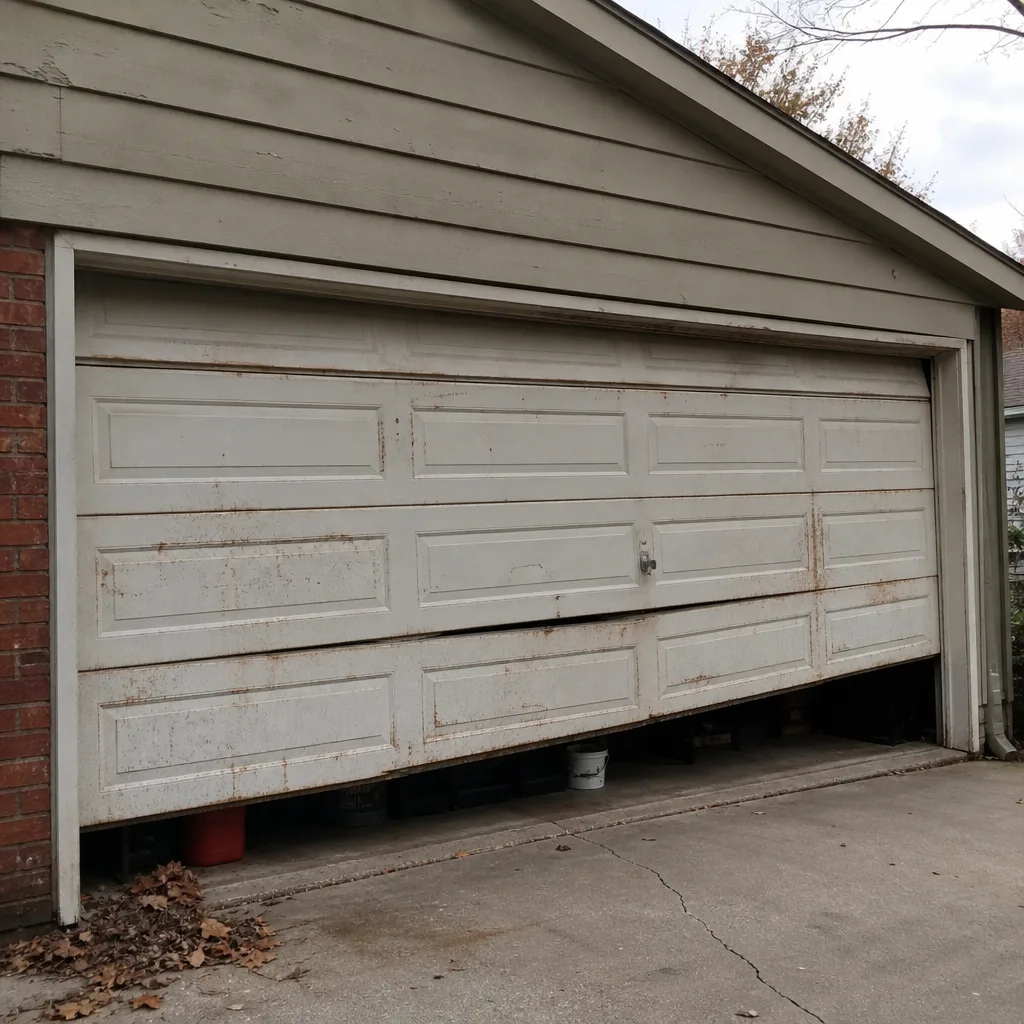 Before
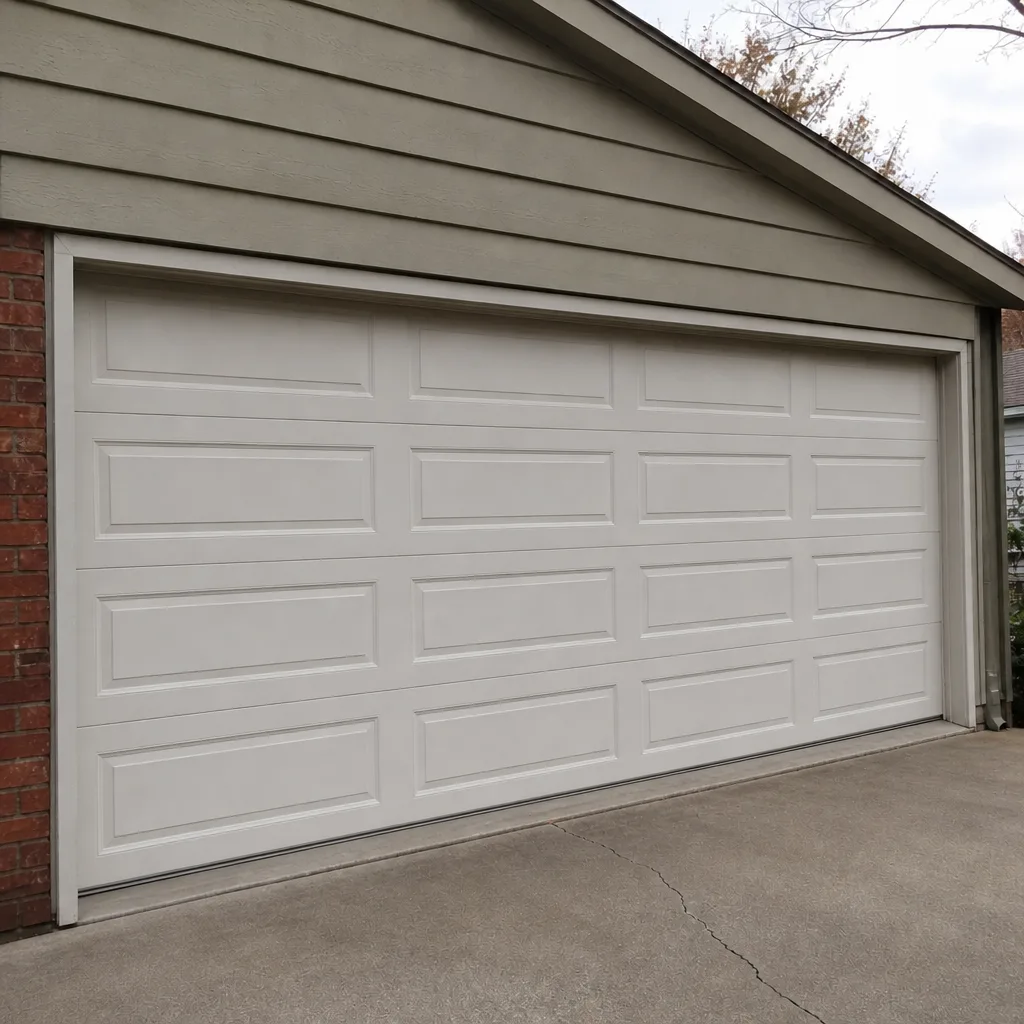 After
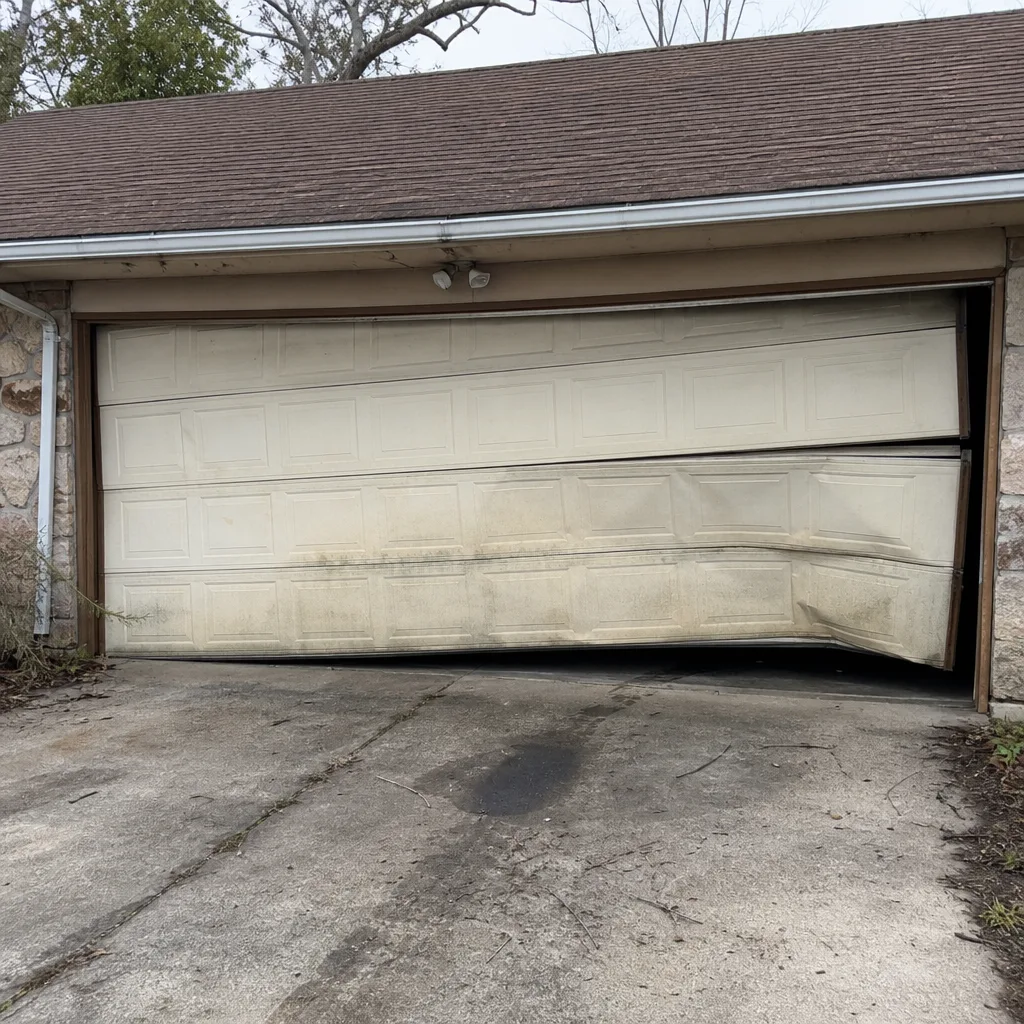 Before
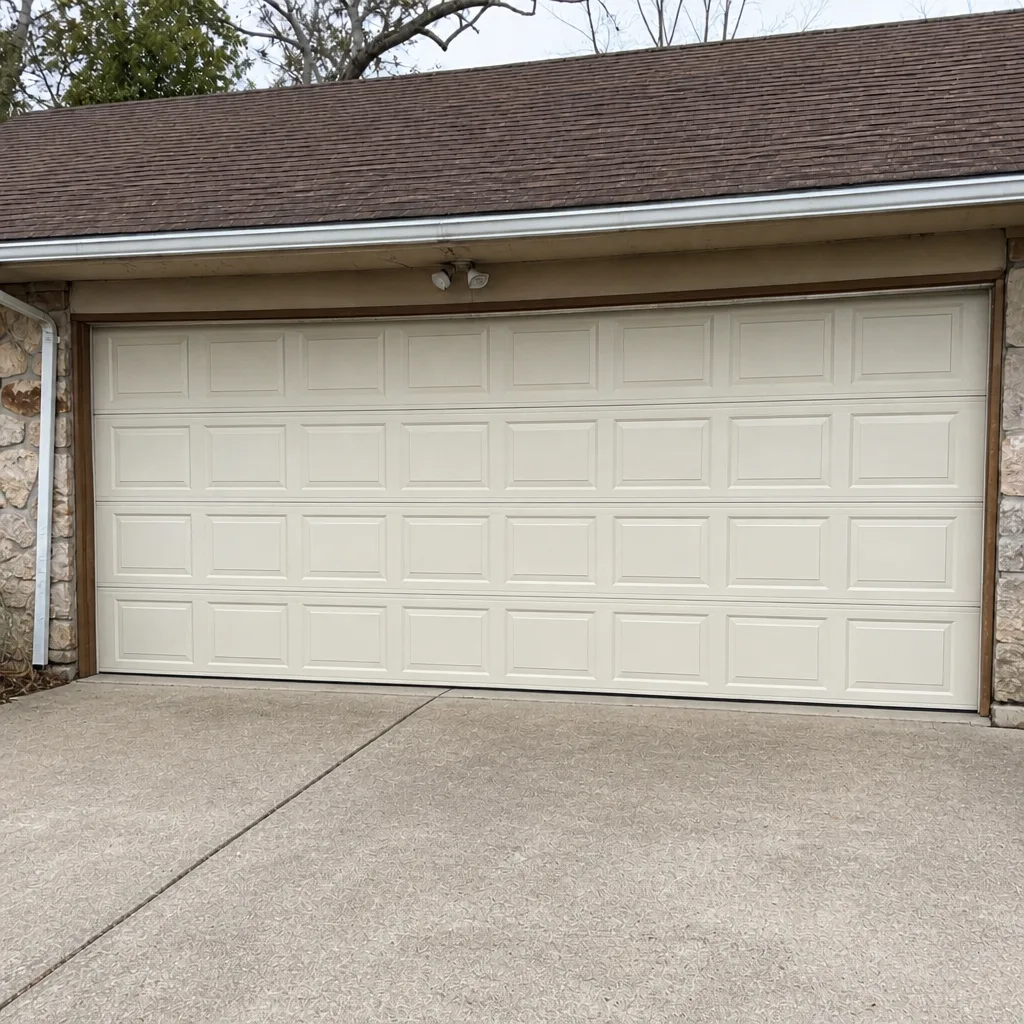 After
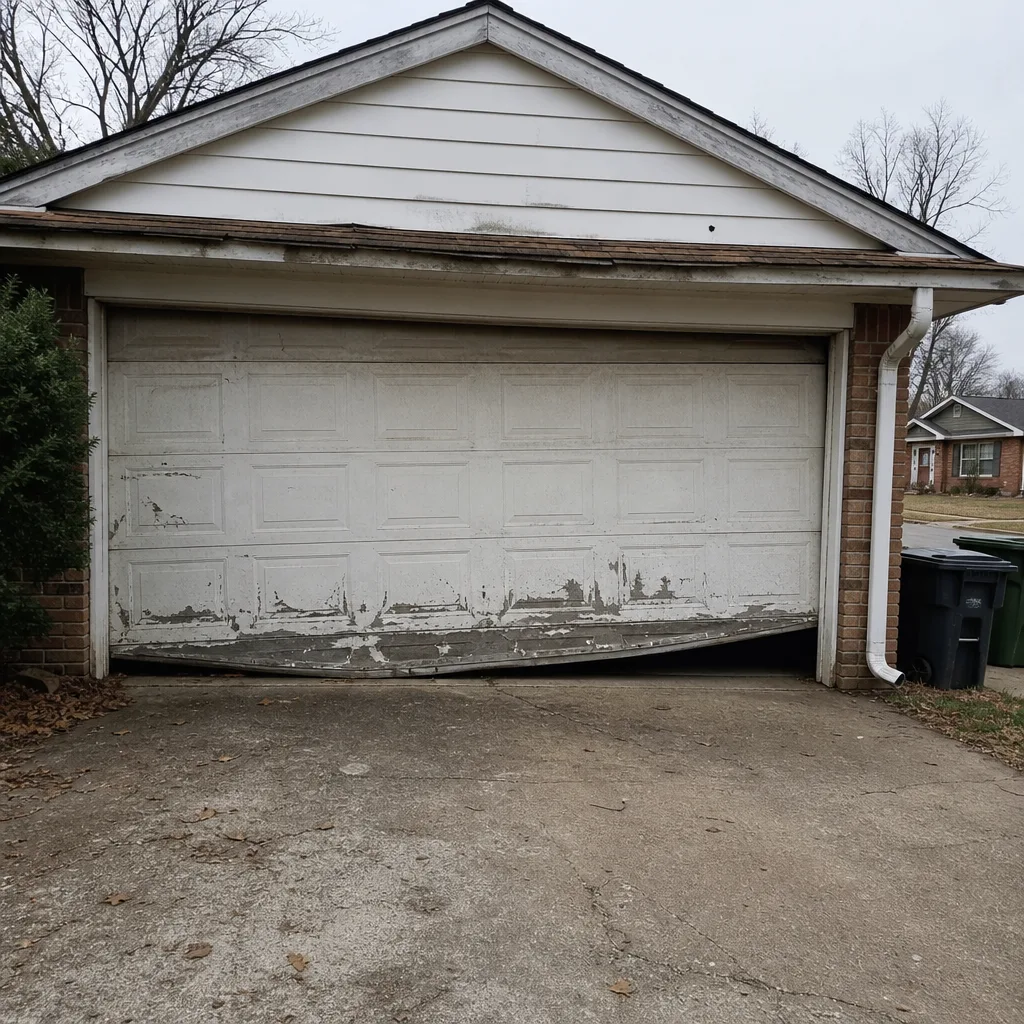 Before
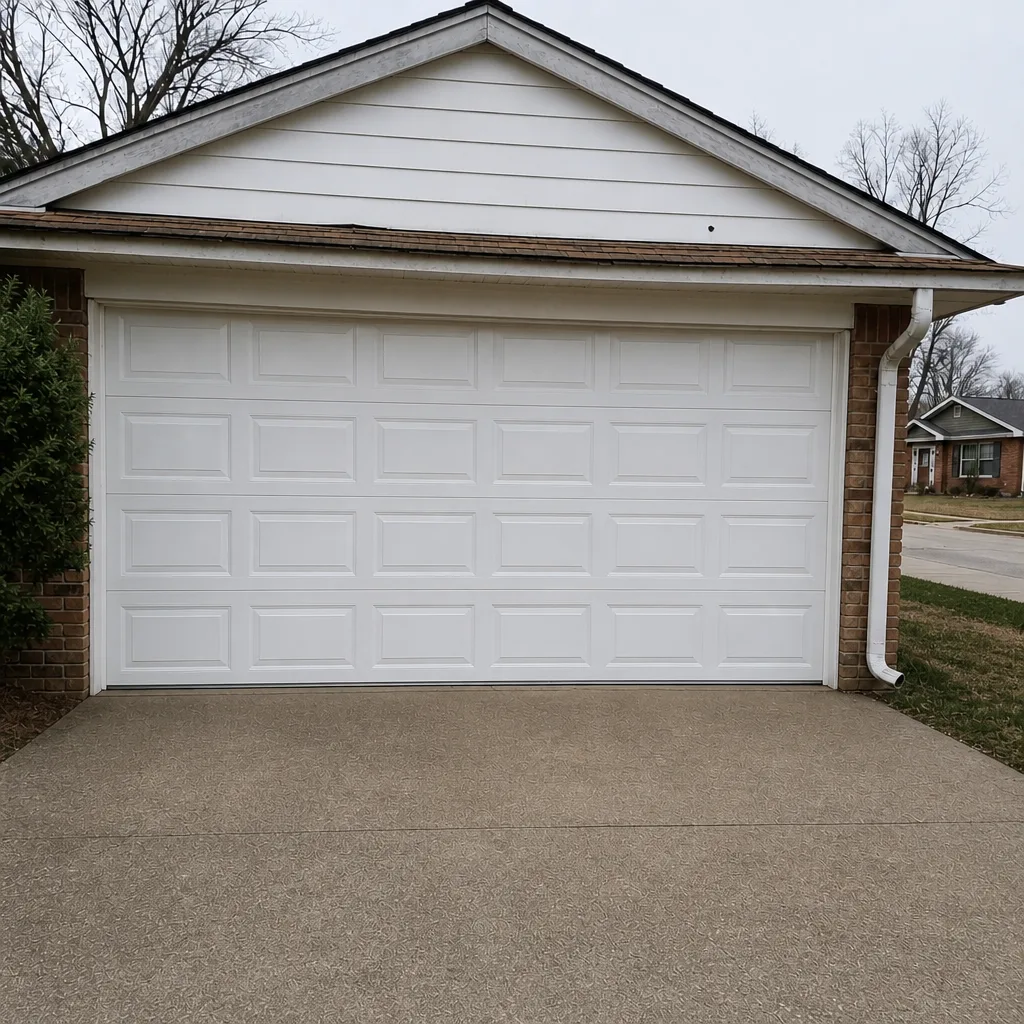 After
When to Call a Professional
The decision is easy in situations where the door is insecure, a spring or cable is involved, or the door needs to come down or go up as a whole unit. Call a professional if any of these describes your door: the door won’t close and won’t sit flat, the spring is visibly broken or has a gap, the cable is off the drum or dangling, the door comes down hard or hesitates before reversing, or you need a new door or a new opener installed. Also call if you’ve already started a repair and stopped partway through. A technician who knows where you left off saves the second visit. We can work with your insurer if the repair is part of a claim. For repairs in the Tulsa area, Bedrock Garage Door Repair offers free estimates in Tulsa. Call (855) 962-5268.
Frequently Asked Questions
No, replacing garage door springs is not a safe DIY job. The torsion spring stores enough energy to cause serious injury if it releases suddenly, and the winding process needs proper bars and training. Call a technician for any spring work. Call (855) 962-5268 for an exact quote, estimates are free.
DIY saves the labor cost but risks a bigger repair if a task goes wrong. We don’t publish fixed prices because costs vary with the door and the parts needed. The written estimate sets the final price, and we quote and agree it with you before any work starts. Call (855) 962-5268 for an exact quote, estimates are free.
Permit requirements depend on the scope of the work, and the answer lives with Tulsa’s building department. A straight replacement in the same opening is often treated differently than a job that widens the opening or changes the framing. Call your building department before buying a door and ask whether your job needs a permit and whether you can be the permit holder.
Leave the door secured where it is and call a technician rather than forcing it. If you touched the spring or removed parts, tell the technician before they arrive, and keep any parts you removed together. We answer 24/7. A call outside dispatch hours is booked into the next opening, Sunday through Friday, 7am to 7pm. Call (855) 962-5268.
Bedrock Garage Door Repair connects homeowners with independent local professionals who are state-licensed and insured and perform the work. Our technicians work on LiftMaster, Chamberlain, Genie, Clopay, Amarr, Wayne Dalton, Craftsman, and Raynor equipment. Call (855) 962-5268 for an exact quote, estimates are free.
A track adjustment that’s slightly off can change how the door’s weight rests on the spring system, which shows up as a door that binds or falls harder on one side. That’s why track work and spring work often go together. A trained technician can check balance and alignment in the same visit. Call (855) 962-5268 for an exact quote, estimates are free.
The Bottom Line
DIY works when the task is on the door’s periphery: rollers, weatherstripping, sensors, remotes, and lubrication. DIY fails when the task involves the spring system, the cables, or the door’s full weight and alignment. The line isn’t about skill. It’s about consequences. A slipped roller is twenty minutes. A released torsion spring is a trip to the emergency room and a door with a problem. For anything on the heavy side of that line, a single provider who handles repair, opener repair, and new installation under one account is the durable choice. If you’re staring at a door and you’re not sure which side of the line your problem falls on, call. We’ll tell you straight.
For repairs in the Tulsa area, reach out to Bedrock Garage Door Repair, and we’ll get a technician scheduled to look at exactly what your door is doing. Call (855) 962-5268 for a free estimate. We answer 24/7. Fast dispatch from 7am to 7pm, Sunday through Friday. A call outside dispatch hours is booked into the next opening, Sunday through Friday, 7am to 7pm. The technician arrives knowing your brand and your symptoms, and the price is quoted and agreed before any work starts.
Written by the team at Bedrock Garage Door Repair.