
Last updated November 14, 2026
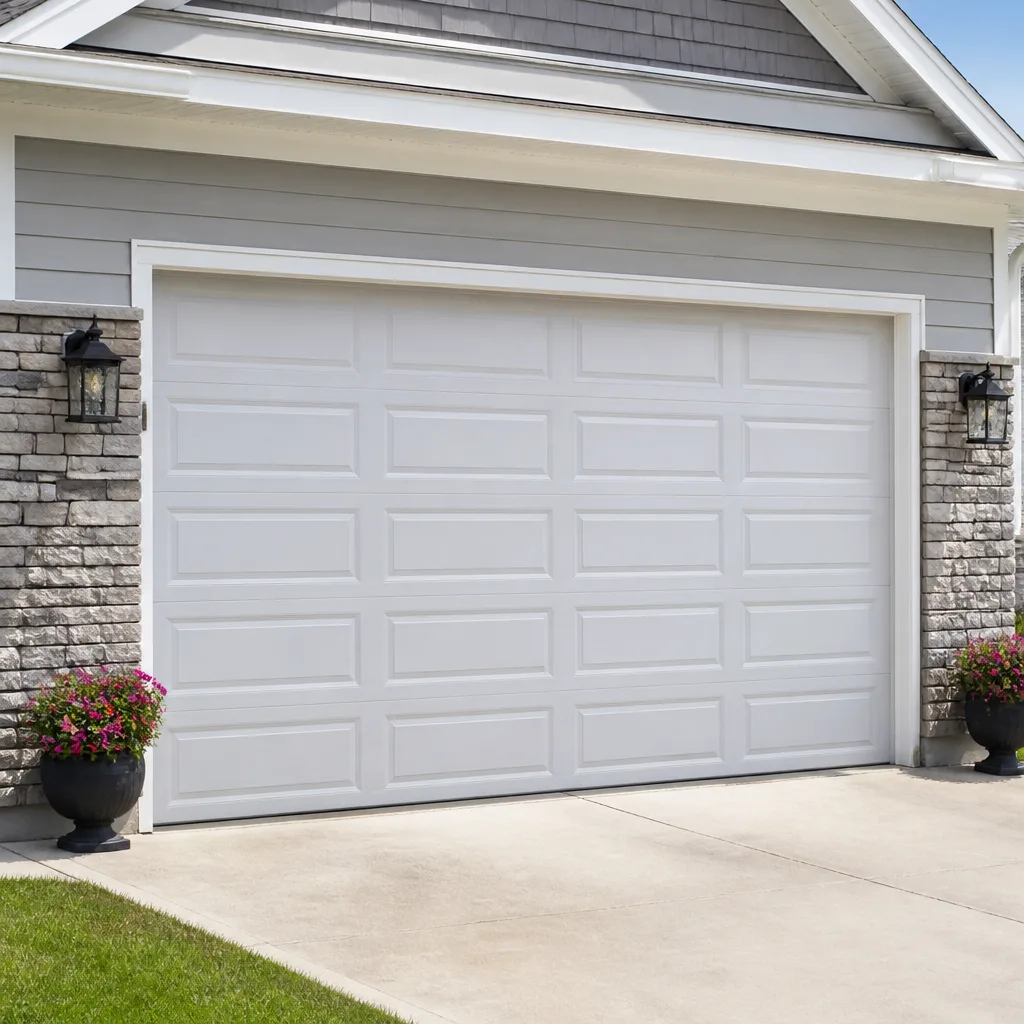 Raised-panel steel
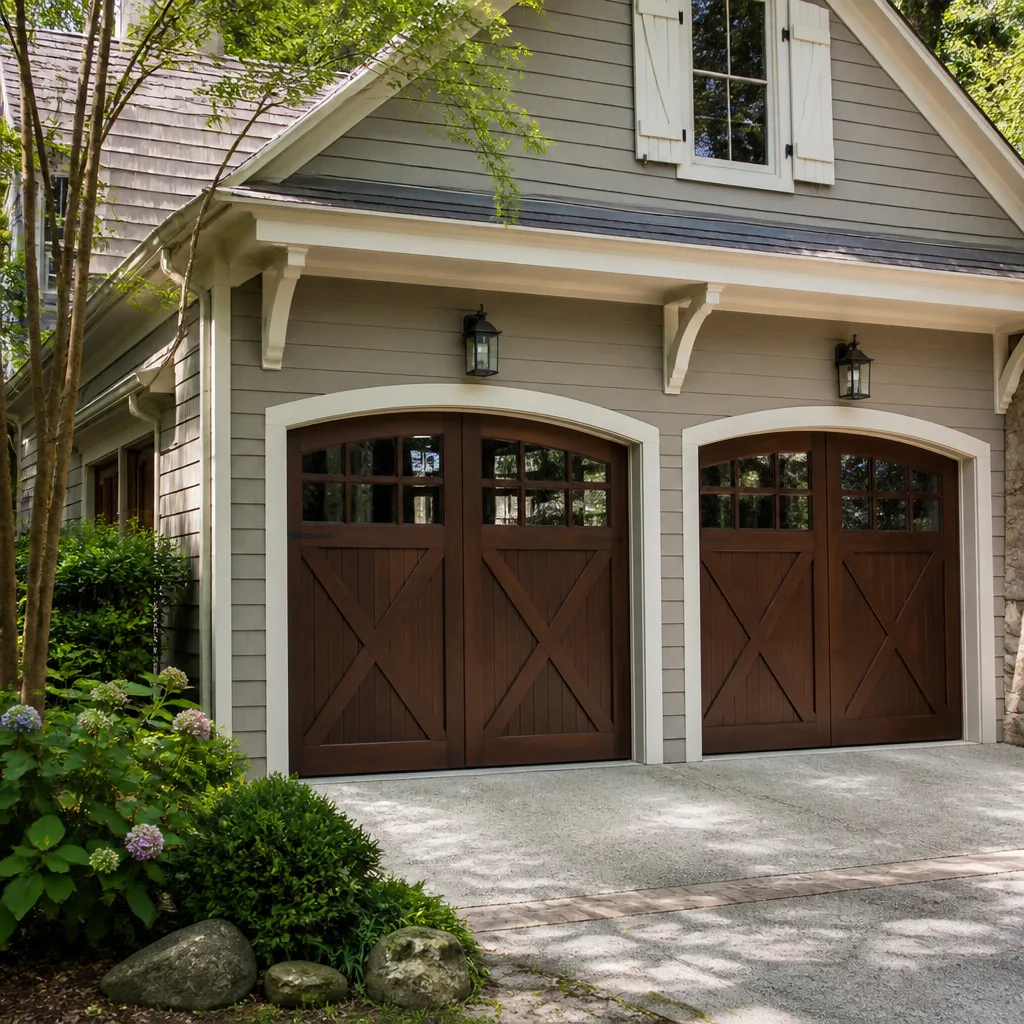 Carriage house
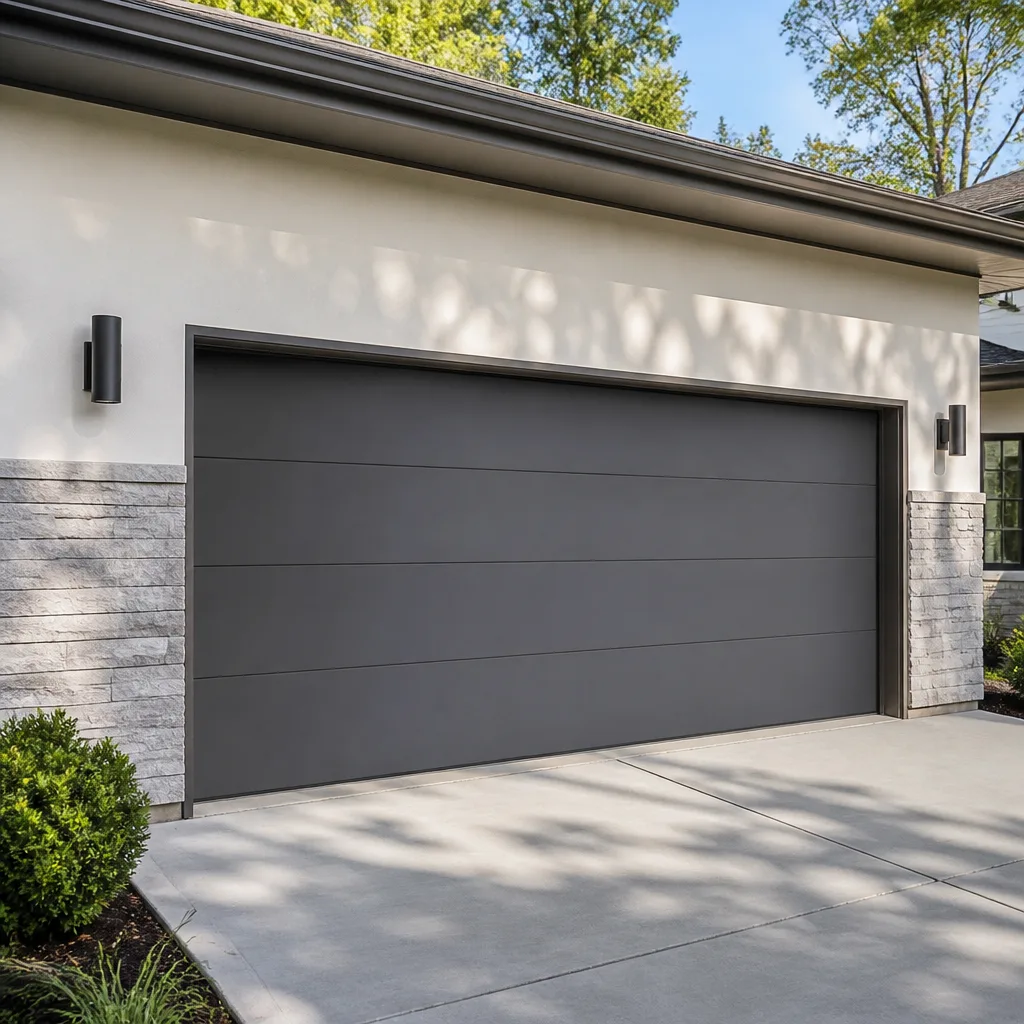 Modern flush
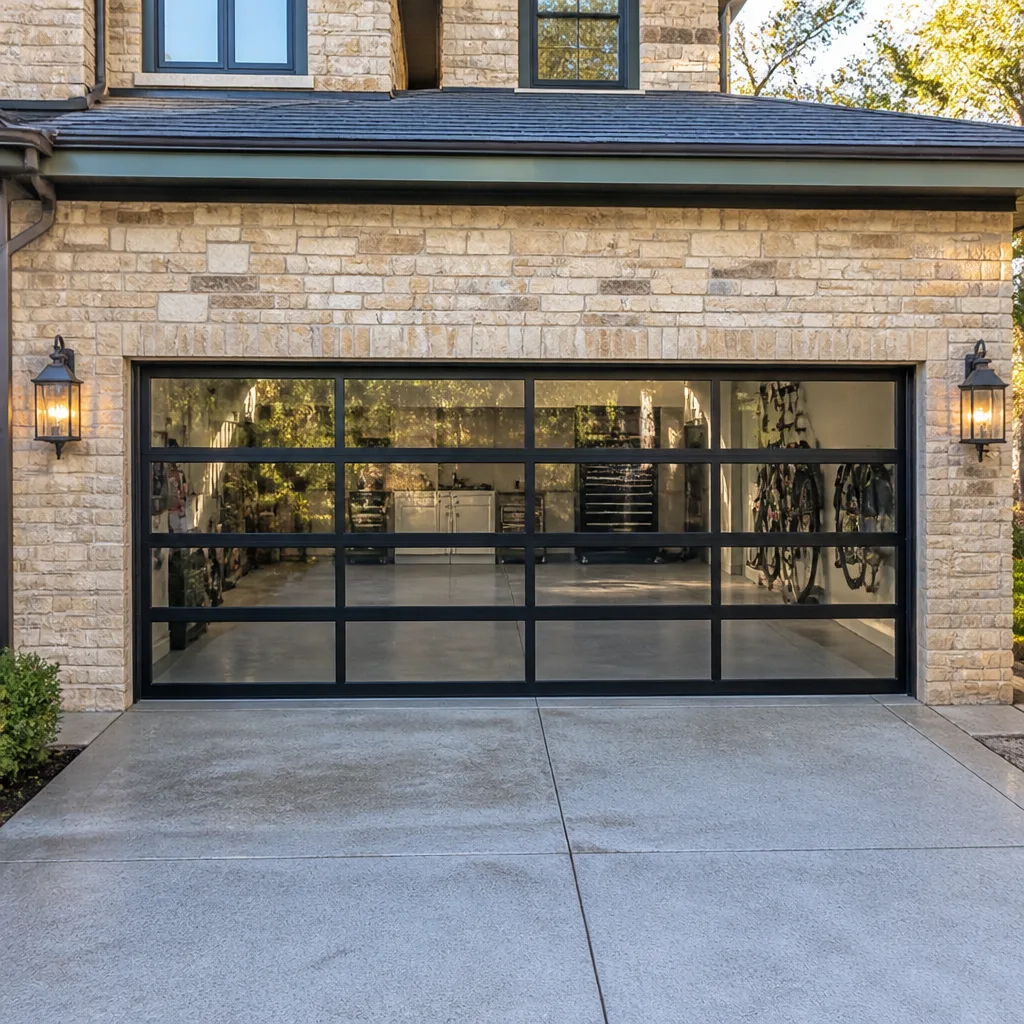 Full-view glass
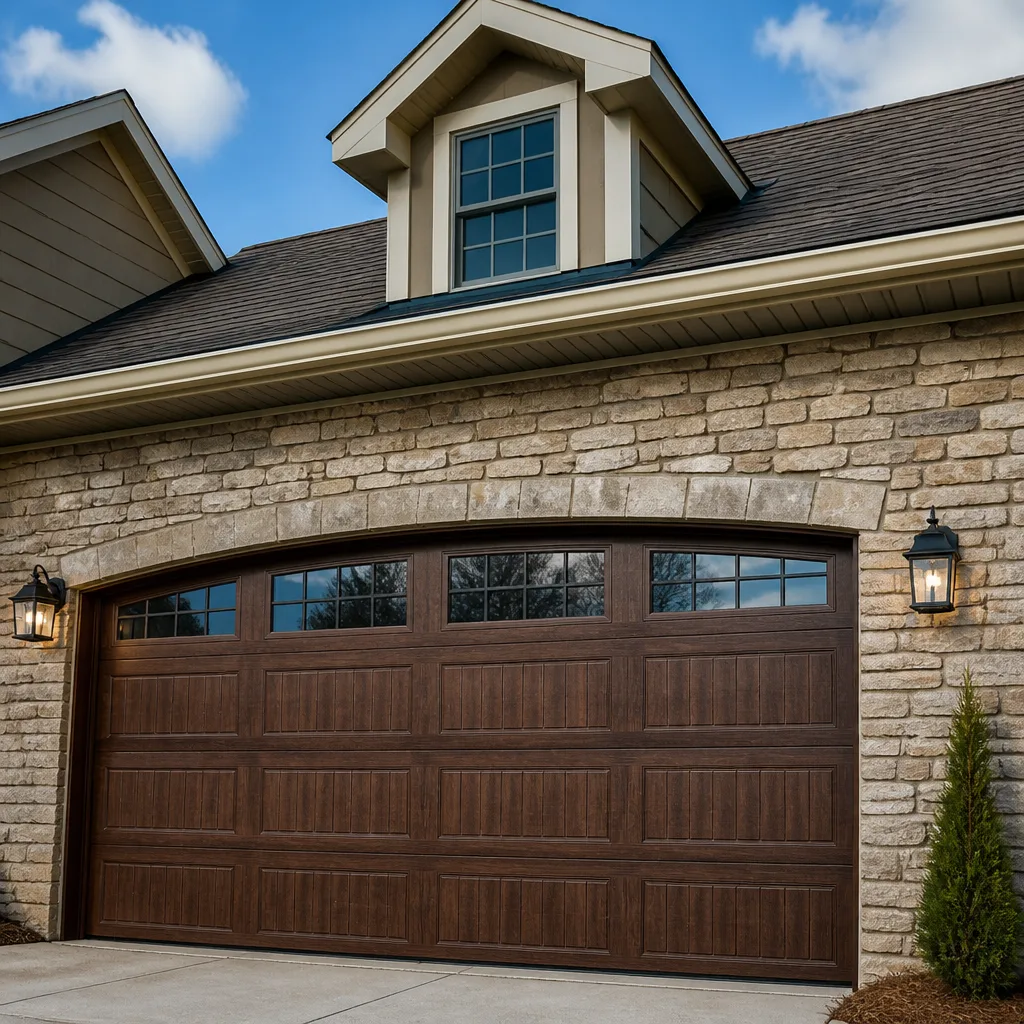 LiftMaster openers
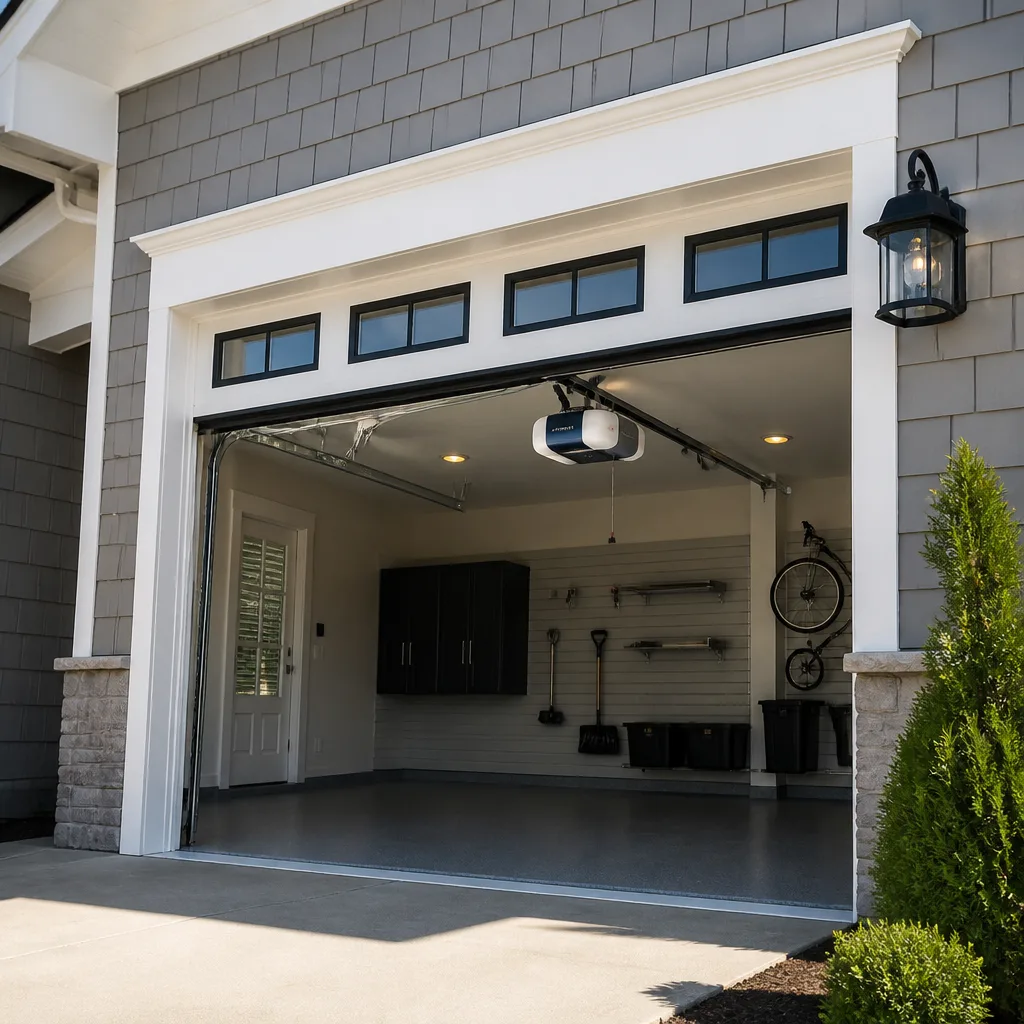 Chamberlain openers
Full 25-point door and opener safety check with every visit - springs, cables, rollers, tracks, and your LiftMaster or Chamberlain opener included
You get a price before we start. It does not change when the pro arrives.
Get your free estimateGarage Door Emergency Preparedness Guide for Tulsa Homes
Most Tulsa homeowners think a garage door emergency means a snapped spring or a dead opener. In our experience, the bigger problem is quieter: no plan. When severe weather hits, the door becomes either a structural liability or your only working exit, and the difference is a few minutes of preparation you can do before the season turns. This guide covers how to manually release your door during an outage, what to do with it during a tornado warning, how to free a frozen bottom seal without wrecking it, the post-storm inspection sequence that prevents a second failure, and the four-item kit every Tulsa garage should have. It’s written for the people who actually use their garage as the front door, which around here is most of us.
Quick Answer
Your garage door emergency plan for Tulsa has three parts: know how to put your opener into manual release before you need it, decide in advance whether the door stays up or down in a tornado warning based on your door’s wind rating, and have a small kit accessible from outside the garage. Do those three things now and you’ll handle a power outage, an ice storm, or a warning without improvising under pressure.
Styles & brands we work with
- Raised-panel steel
- Carriage house
- Modern flush
- Full-view glass
- LiftMaster openers
- Chamberlain openers
Table of Contents
- How to Manually Release Your Garage Door During a Power Outage
- Tornado Warnings: Leave the Door Open or Closed?
- Ice Storm Protocols for a Frozen Garage Door
- What to Inspect After a Severe Storm, In Order
- Building Your Garage Door Emergency Kit
- Brand-Specific Release Details for Tulsa Openers
- A Note for Property Managers and Landlords
How to Manually Release Your Garage Door During a Power Outage
Every overhead door with an automatic opener has a manual release, and it takes about five seconds. A red cord or handle hangs from the trolley near the center of the door’s top rail. Pull it toward the opener housing, and the door disconnects from the drive system so you can lift it by hand. That’s the whole trick – the trick is knowing it exists, where it is, and that you should never be learning it for the first time in the dark.
Here’s the sequence we walk Tulsa homeowners through, and it’s the same whether your door runs on a LiftMaster or a Genie:
- Find the release cord now, with the door closed and the opener engaged. Make sure everyone in the household has pulled it at least once.
- Keep the door closed before pulling. Releasing a door that’s already open can let it drop fast and hard.
- To open manually, lift the door slowly and let it settle. Torsion-spring doors are heavy – a double door can run well past a hundred pounds – so get a hand under the bottom section, not the handle alone.
- To reconnect, run the opener until the trolley lines up with the door arm, then push the release back toward the door. Test it with a short cycle before you trust it.
- If the door runs rough or binds on the way up, stop. A door that needs a shoulder to lift is a door with a spring or cable problem, and that’s a professional call.
The safety rule matters more than the procedure. Springs under tension and the cables that run with them can cause serious injury, and you shouldn’t adjust, unwind or cut either. Keep fingers clear of the hinge gaps and the section joints while you’re lifting, and avoid standing directly under the door as it comes down. If a spring is the reason you’re reaching for the manual release, don’t force it – call for garage door repair instead.
Tornado Warnings: Leave the Door Open or Closed?
The answer depends on your door, and anyone who tells you it’s always one or the other hasn’t asked the right question. If your door carries a wind load rating and was installed to that standard, keep it down and latched during a warning. A rated door in the down position is part of the building’s load path; opening it during high wind exposes the panels and the tracks to wind pressure in a direction they weren’t built to take.
If your door is older, unrated, or clearly underbuilt for the opening, the calculation changes. For an underpowered door, leaving it fully open can reduce the wind load on the door itself, though it costs you the garage as a secure space and leaves the house’s most vulnerable opening exposed. That’s a trade-off, not a clear win, and it’s why we tell people to know their door’s rating before storm season rather than guessing at the warning tone.
The more useful tornado prep is structural and takes ten minutes:
- Check that all hinges, roller brackets and the center bearing plate are tight. Loose hardware turns wind pressure into a bigger problem fast.
- Look at the bottom seal and the weatherstrip on the sides. A door that doesn’t seat has gaps wind can get behind.
- Confirm the door’s wind rating (usually printed on the door or in the paperwork) and know whether your opening meets current Tulsa-area building standards for wind. Your city’s building department can answer code questions for your address.
- Clear the area between the door and the building’s other openings so nothing becomes a projectile.
After a warning passes, don’t run the opener until you’ve done the inspection below. We’ve handled enough post-storm calls to know a twisted track gets much worse if you cycle the door on it first.
Ice Storm Protocols for a Frozen Garage Door
A door that’s bonded to the concrete isn’t a door that’s stuck; it’s a door that’s frozen, and forcing it is how you turn a five-minute delay into a damaged bottom section, a bent bottom bracket, or a stripped opener gear. Tulsa gets ice, and the freeze that matters most is the one at ground level, where the bottom seal meets the apron.
Work through it in this order:
- Don’t run the opener. The motor will strain against the seal and can bend the bottom bracket or burn out the travel limit before the door ever moves.
- Kill the ice, not the seal. Warm it with a heat gun or hair dryer on low, working along the bottom edge, and keep the heat moving so you don’t cook the rubber or crack a warm door panel with a sudden temperature change.
- Use a plastic scraper or a plastic wedge – never a screwdriver, chisel or pry bar – to lift the seal free once it starts to give. Metal slips and takes chunks out of the rubber and the concrete.
- Once it’s loose, clear the apron of ice where the seal sits so it can close without re-bonding.
- Test with the manual release before the opener. If it moves by hand, run the opener and watch the seal line all the way across.
If ice has gotten into the hinges or the track and the door still won’t move cleanly, stop forcing it. A frozen seal doesn’t mean the door is broken, but calling us for garage door opener repair after a door has run against a frozen seal for a minute is a common winter call in Tulsa, and it’s an avoidable one.
What to Inspect After a Severe Storm, In Order
Do this inspection before you run the opener, every time. The sequence matters because the first thing you check tells you whether it’s safe to check the rest with the door moving.
- Stand back and look at the whole door. Is it square in the opening? Any panel pushed out of plane, any light showing where it shouldn’t?
- Walk the tracks. Look for bends, twisting, or track that’s pulled away from the jamb. A track that’s out of line will bind as the door comes up.
- Check the vertical. Look at the door’s panels for cracks, separations from the stiles or a bent bottom section.
- Test the manual release. Pull it and try to lift the door by hand. It should move smoothly and stay where you put it. If it drops or needs a hard shove, something in the spring or cable system is compromised.
- Only then, run the opener and watch one full cycle. Look and listen for hesitation, grinding, or a door that closes unevenly.
This sequence is what prevents a secondary failure. A track that’s slightly bent but still runs will wear the rollers and the door edge every cycle until something gives; catching it before the first automated cycle saves the door. The sequence also keeps you out of danger. If a torsion spring is damaged, you’ll know at step four, when the door won’t stay up by hand, and you’ll be glad you didn’t send it up on the opener. Springs and cables are the genuinely dangerous part of a garage door, and they’re the part a trained technician should handle.
Building Your Garage Door Emergency Kit
The kit has one purpose: let you deal with the garage from outside, before you’ve opened the door. In our experience, most Tulsa homeowners have the tools but not in the right place, and during a storm with the power out is the wrong time to realize the wrench is inside the garage.
Four items, kept in a zip-top bag or small toolbox, accessible without entering the garage:
- The manual release cord and a short pull strap. On some openers, the standard cord is short and hard to reach with a sagging door. A strap added to the release, tied off where you can get it from outside, buys you safety.
- A plastic scraper and a heat source you can reach. A plastic ice scraper or wide putty knife plus a battery-powered heat gun or a hair dryer and extension cord, kept inside the house and not in the garage, handles the frozen seal without damaging it.
- A flashlight and spare batteries, kept outside the garage. Storm outages make the garage the darkest part of the house, and the manual release shouldn’t be done by feel.
- Your opener brand and model number, written down. LiftMaster, Chamberlain, Raynor and Genie openers each have their own release arrangement and limit settings, and a technician who knows the model from the first call can bring the right parts and give you a real answer faster.
If you want a fifth item, add a written note with our number, (855) 962-5268. We answer 24/7. Fast dispatch from 7am to 7pm, Sunday through Friday.
Brand-Specific Release Details for Tulsa Openers
Most opener releases work the same way, but the details vary enough to trip people up, and the brand on your ceiling in Tulsa is likely one of a handful. On a LiftMaster or Chamberlain unit, the release hangs from the trolley and can require a firm pull, and some models use a release handle with a knob rather than a cord. Raynor openers use a trolley release you push back toward the door to re-engage rather than a simple hook. Genie units often put the release cord in a position that’s easy to miss if the door is up, and their re-engagement procedure varies by model.
If your release looks different from any of these, don’t improvise. If the door won’t re-engage, or the release mechanism itself feels broken, that’s the point to call. Our technicians have up to 12 years of experience and we work across the major brands, including Bedrock Garage Door Repair as a single source for both the door and the opener, so you’re not handed between a repair tech and an install crew for one problem. That matters in an emergency, when the last thing you want is a second call to a second company. If your opener is the piece that failed and the door itself is fine, we handle that as its own service.
A Note for Property Managers and Landlords
If you manage several Tulsa properties, the emergency plan has to work across brands and across tenants. Tenant turnover is where plans fall apart: a new renter doesn’t know where the manual release is or that the seal should never be forced. We see mixed-brand garages – a Raynor door here, a Genie opener there – and the fastest path to fewer emergency calls is a one-page plan per unit with the brand and model written down and the manual release photographed and taped inside the garage.
The second-fastest path is to run the post-storm inspection on a schedule rather than waiting for a tenant complaint. A bent track caught between tenants is a repair; caught after a tenant has been cycling the door for weeks, it’s a set of rollers and a door edge too.
Common Mistakes to Avoid
- Forcing a frozen door with a metal tool. It’s the fastest way to tear the bottom seal and chip the concrete apron, and the seal never seats properly again.
- Running the opener on a door that won’t move by hand. This strains the motor and the travel limits and is the most common cause of a second repair within weeks.
- Learning the manual release during an outage. Know it and test it with the door closed, not when the power is out and you’re late.
- Opening the door in a tornado warning when it’s wind-rated. A rated door does its job in the down, latched position. Check the rating before storm season, not during the warning.
- Adjusting springs or cables yourself. These are under extreme tension and can cause serious injury. A door that won’t stay up on the manual release is a professional call, full stop.
- Assuming the storm didn’t hurt the door because it still opens. A bent track or a cracked panel works for a while, then fails. The inspection sequence exists for exactly this reason.
- Keeping the emergency kit inside the garage. The kit is for when the garage is the thing you can’t get into. Keep it in the house or the car.
See the difference
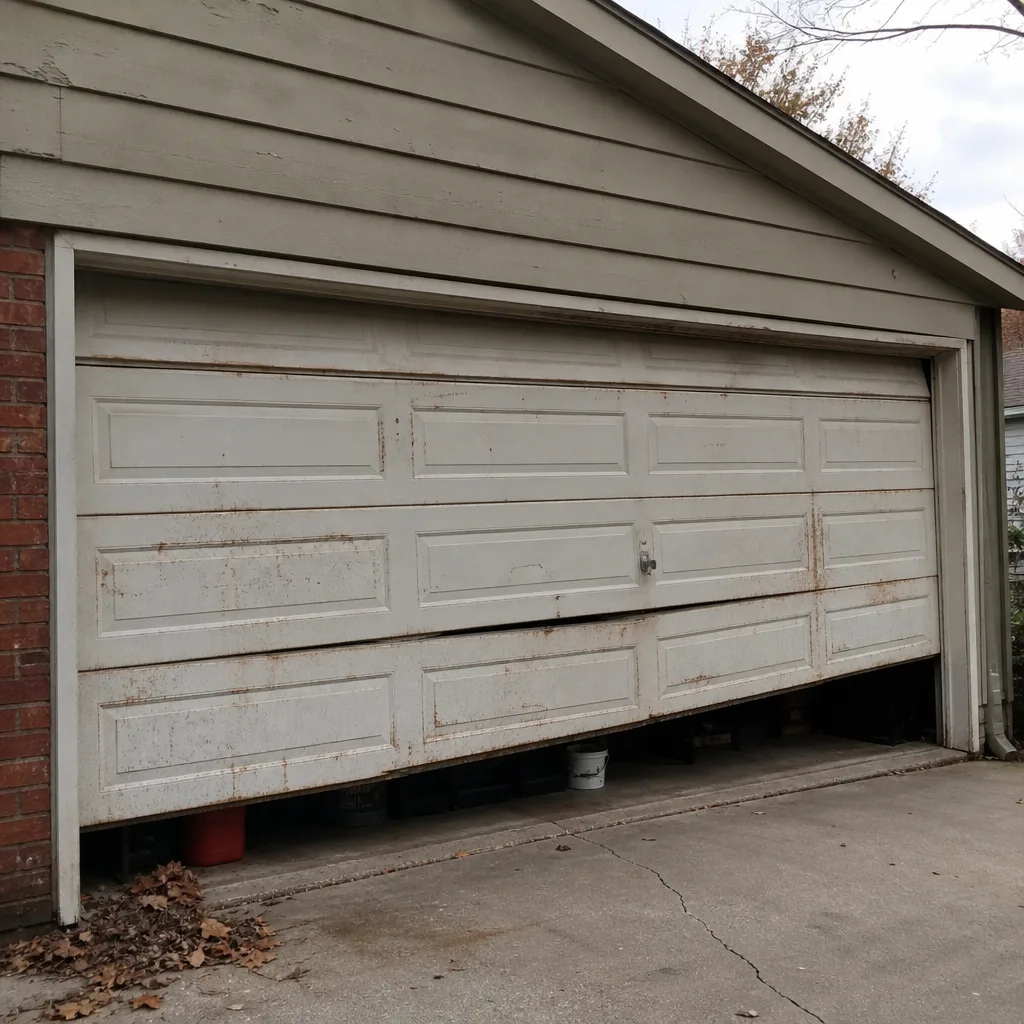 Before
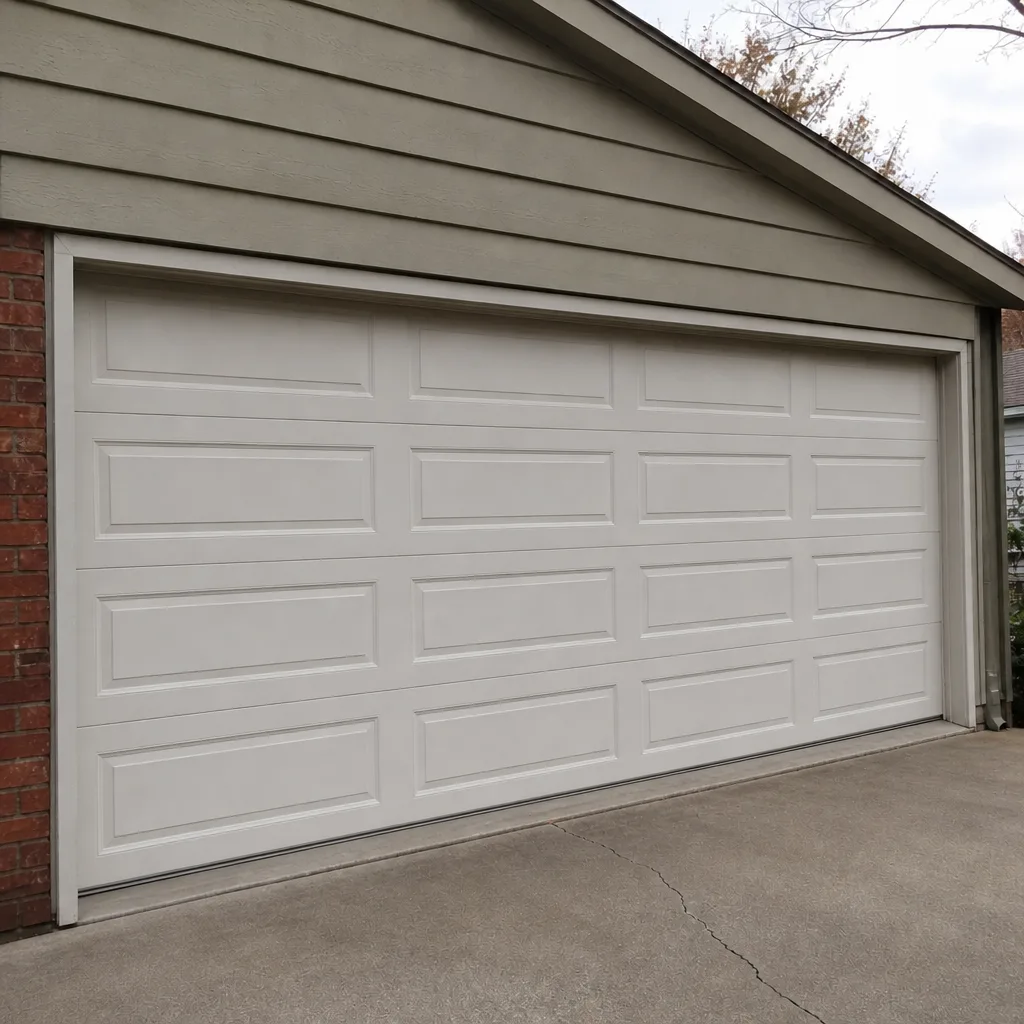 After
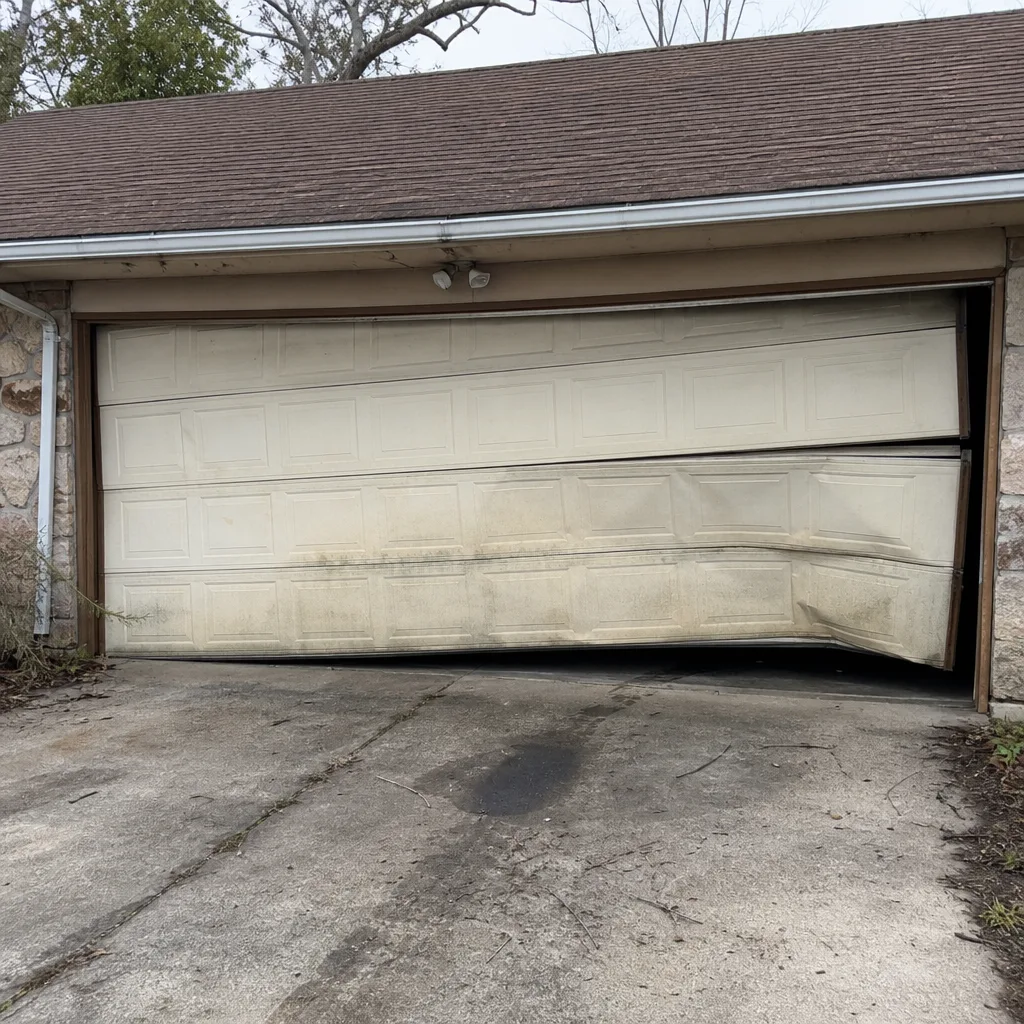 Before
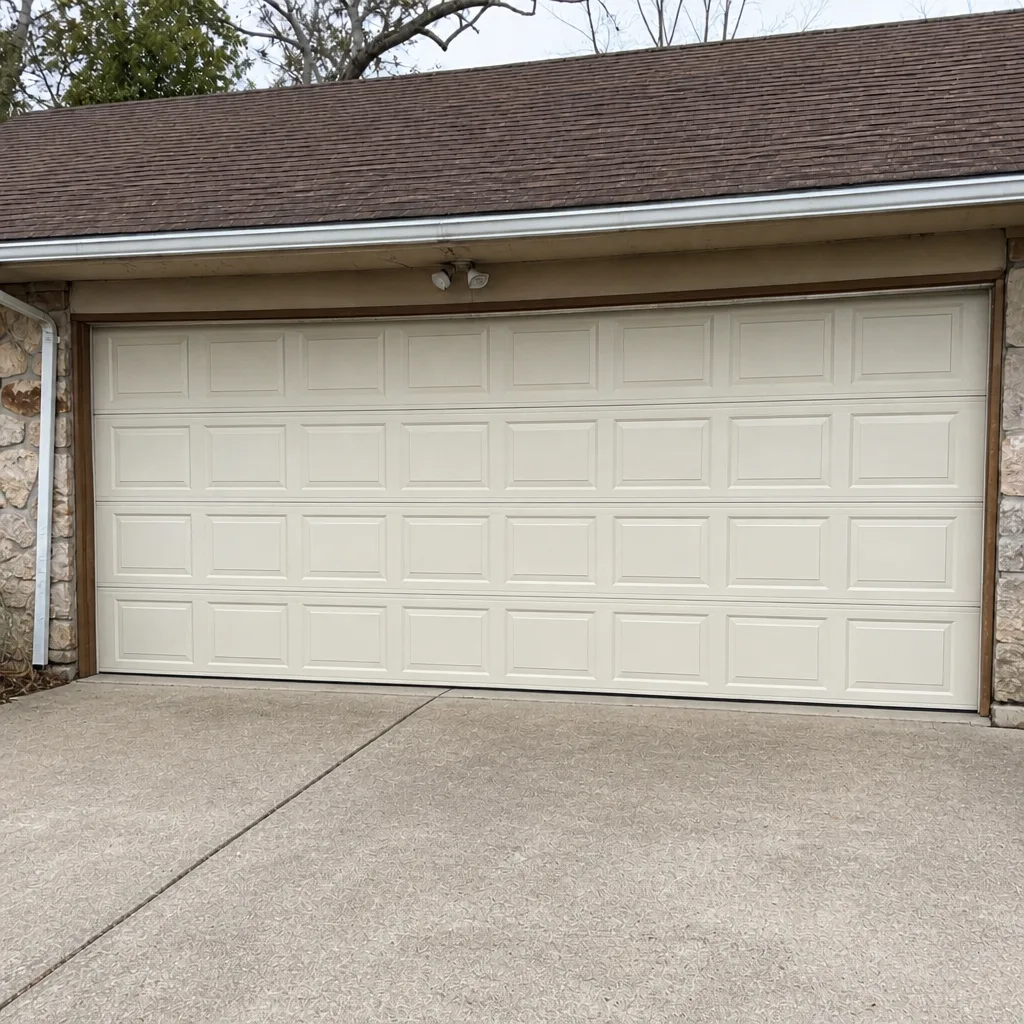 After
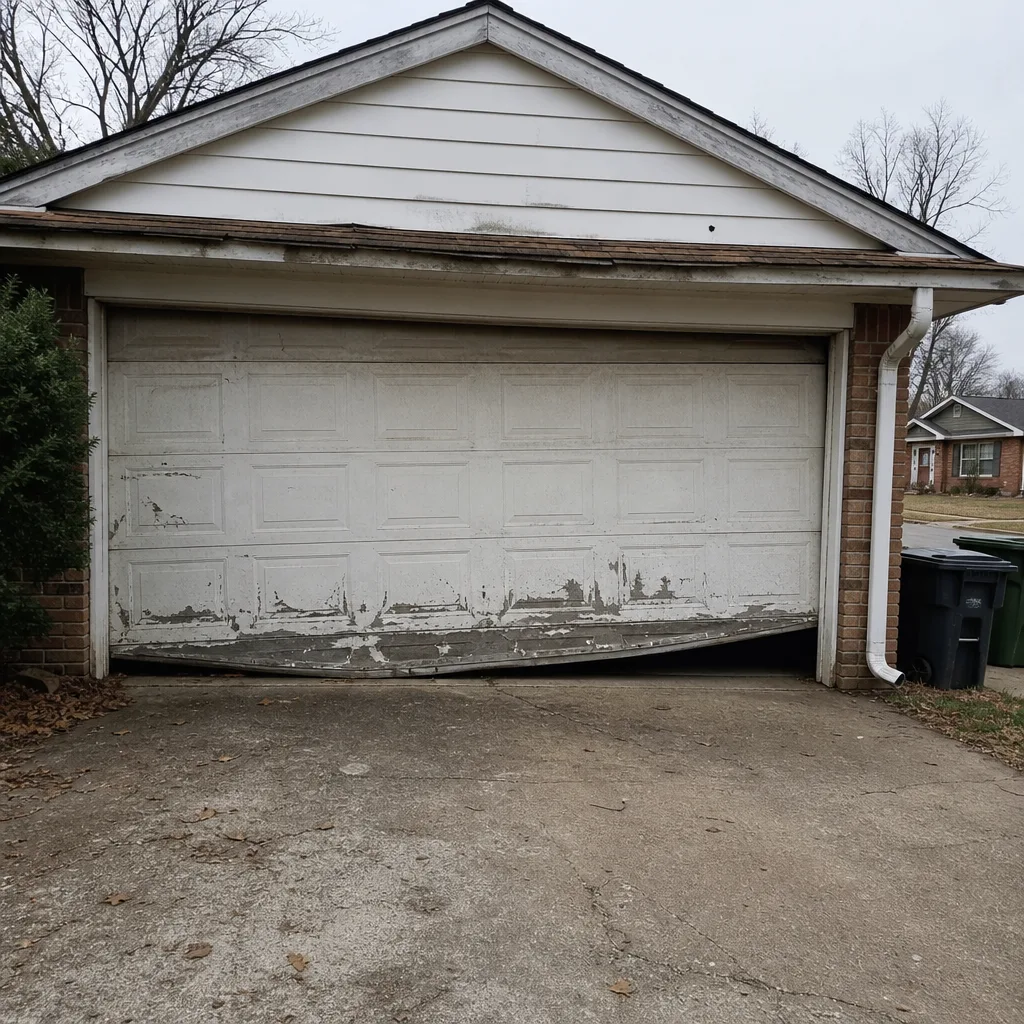 Before
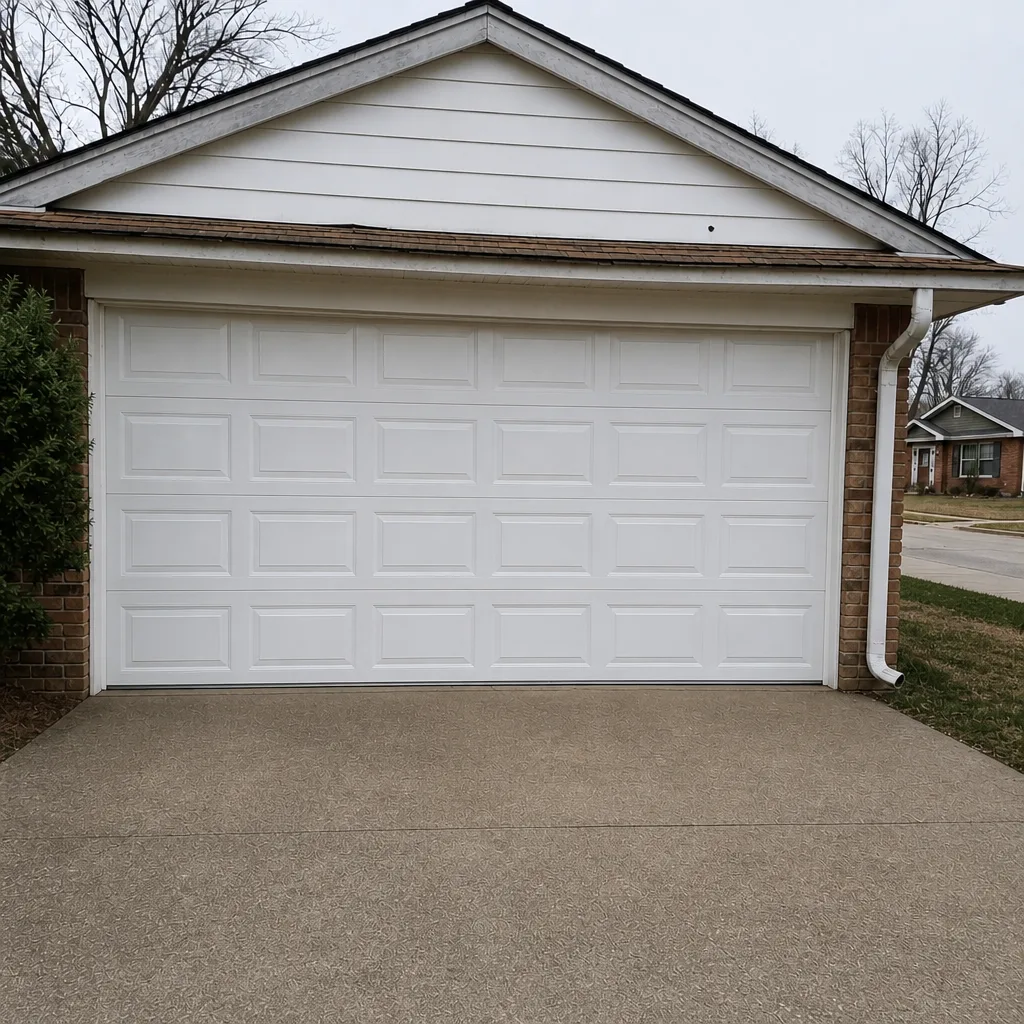 After
When to Call a Professional
Call us when the door won’t stay up on the manual release, when a track is bent or pulled loose, when the opener runs but the door doesn’t move, or when a spring is visibly broken or a cable is off its drum. Also call after any severe storm if anything in the inspection above looked out of line, even if the door still cycles. Those are the situations where the right fix, not the fastest one, is what keeps the door working through the next season.
Bedrock Garage Door Repair offers free estimates in Tulsa. Call (855) 962-5268 for a free estimate. We answer 24/7. Fast dispatch from 7am to 7pm, Sunday through Friday. If you need a repair or a replacement door rather than emergency help, we’ll measure and give you a written price before anything is ordered or scheduled. Your area’s technicians include brands like LiftMaster, Chamberlain, Genie and Raynor, so the call starts with the right questions. For a wider view of what we handle across Tulsa, our full range covers repair, opener work and new installation.
Frequently Asked Questions
Pull the red manual release cord from the trolley near the center of the door’s top rail, then lift the door by hand from the bottom section. Keep the door closed before you pull the release, and test the release with the door closed before an outage happens.
Keep it down and latched if your door carries a wind load rating, because a rated door in the down position is part of the building’s wind protection. If your door is old or unrated, leaving it open is a trade-off, not a clear win, so know your door’s rating before storm season.
Warm the seal along the bottom edge with a heat gun or hair dryer on low, keep the heat moving, and lift it free with a plastic scraper or wedge, never metal. Run the door by hand on the manual release before you use the opener.
No. The written estimate sets the price, and any change is agreed with you before we do the work. Call (855) 962-5268 for an exact quote; estimates are free.
Check these in order before you run the opener: stand back and look for out-of-square panels, walk the tracks for bends or pulling away from the jamb, look at the panels for cracks or separations, test the manual release to confirm the door stays up by hand, and only then run the opener through one cycle.
Very likely. We work across LiftMaster, Chamberlain, Genie, Clopay, Amarr, Wayne Dalton, Craftsman and Raynor, so the technician diagnoses your specific model rather than guessing. Call (855) 962-5268 with the model number and we’ll confirm before we come out.
The Bottom Line
Garage door emergencies in Tulsa come in three flavors: storms, outages and ice, and each has a plan you can put in place today. Know your manual release and test it. Check your door’s wind rating so you know what to do with the door in a tornado warning. Handle a frozen seal with heat and plastic, never force. Run the inspection sequence before you run the opener after any storm. Keep the four-item kit outside the garage. Do those things and a bad night becomes an inconvenience instead of a repair. And when something is genuinely broken, don’t force it – that’s when the right fix, done correctly the first time, saves you the most.
Written by the team at Bedrock Garage Door Repair.