
Last updated November 14, 2026
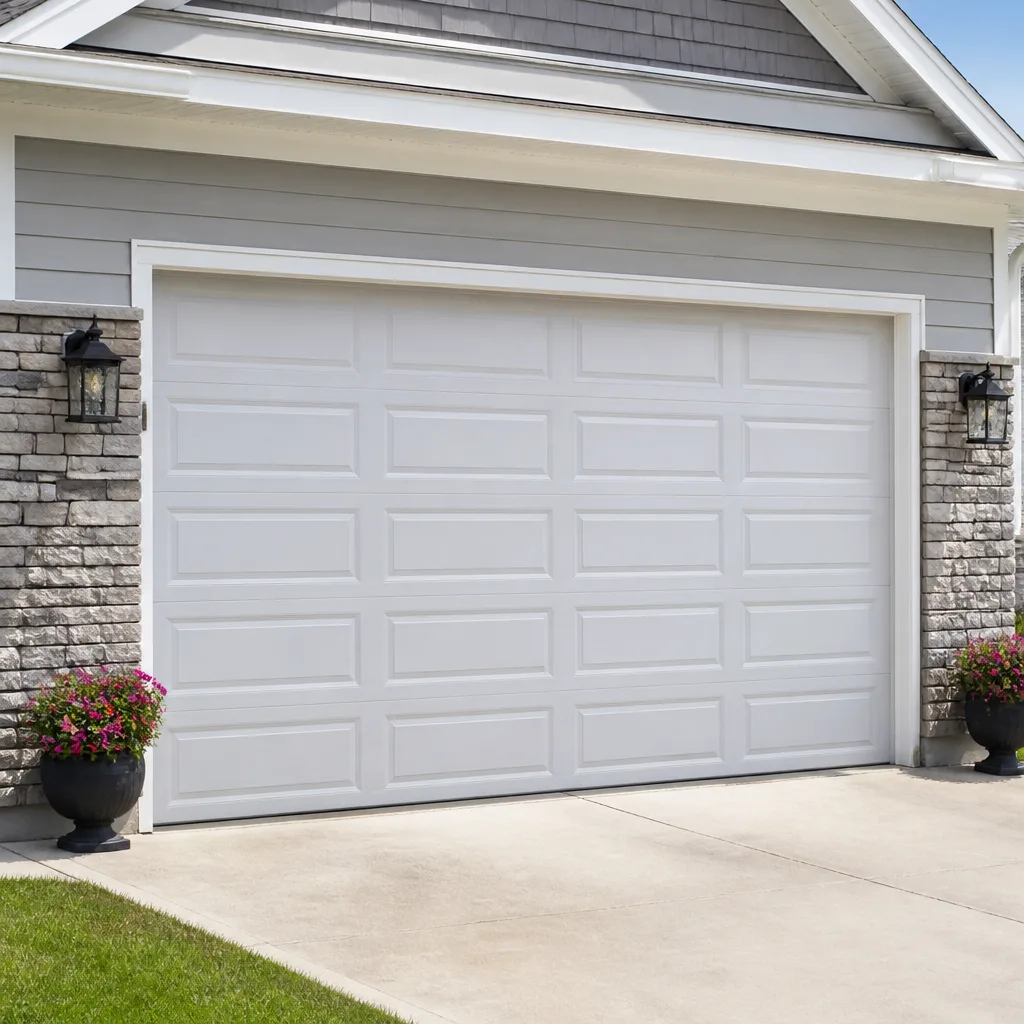 Raised-panel steel
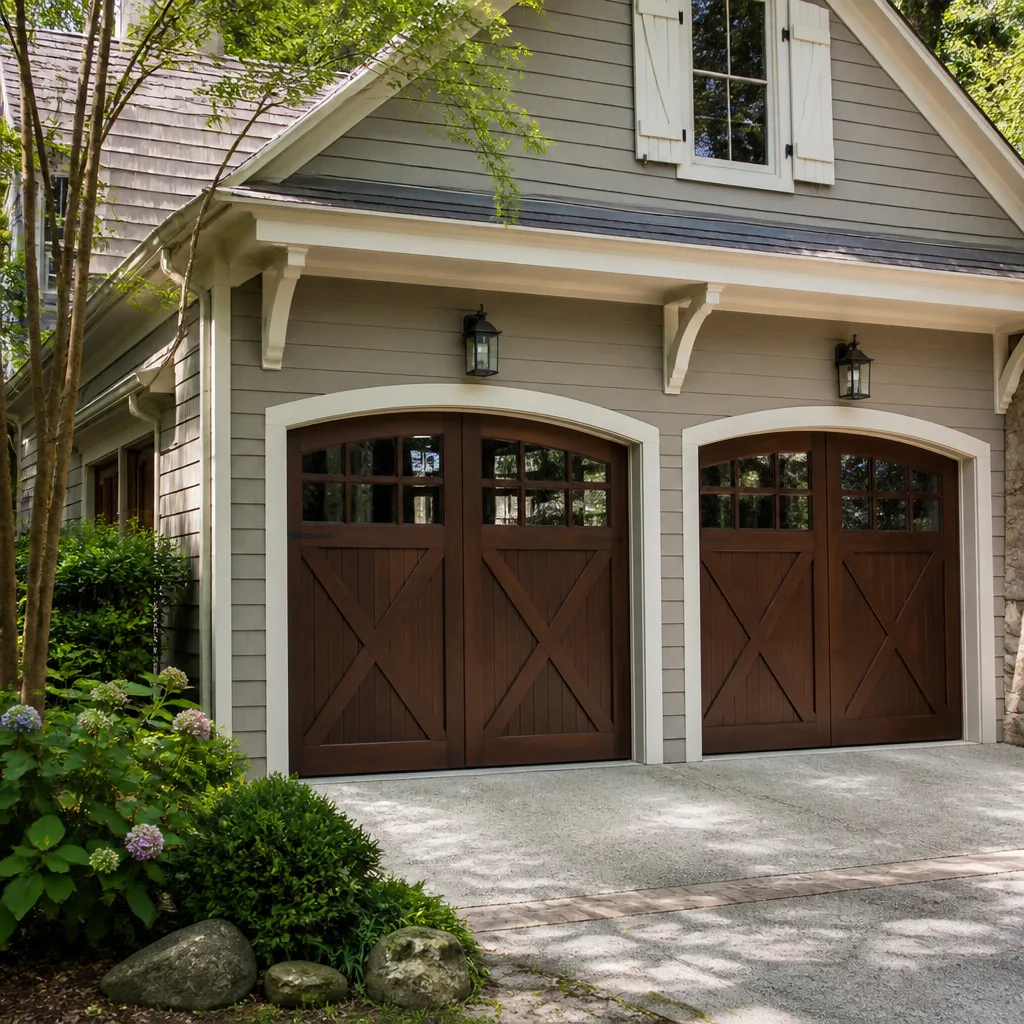 Carriage house
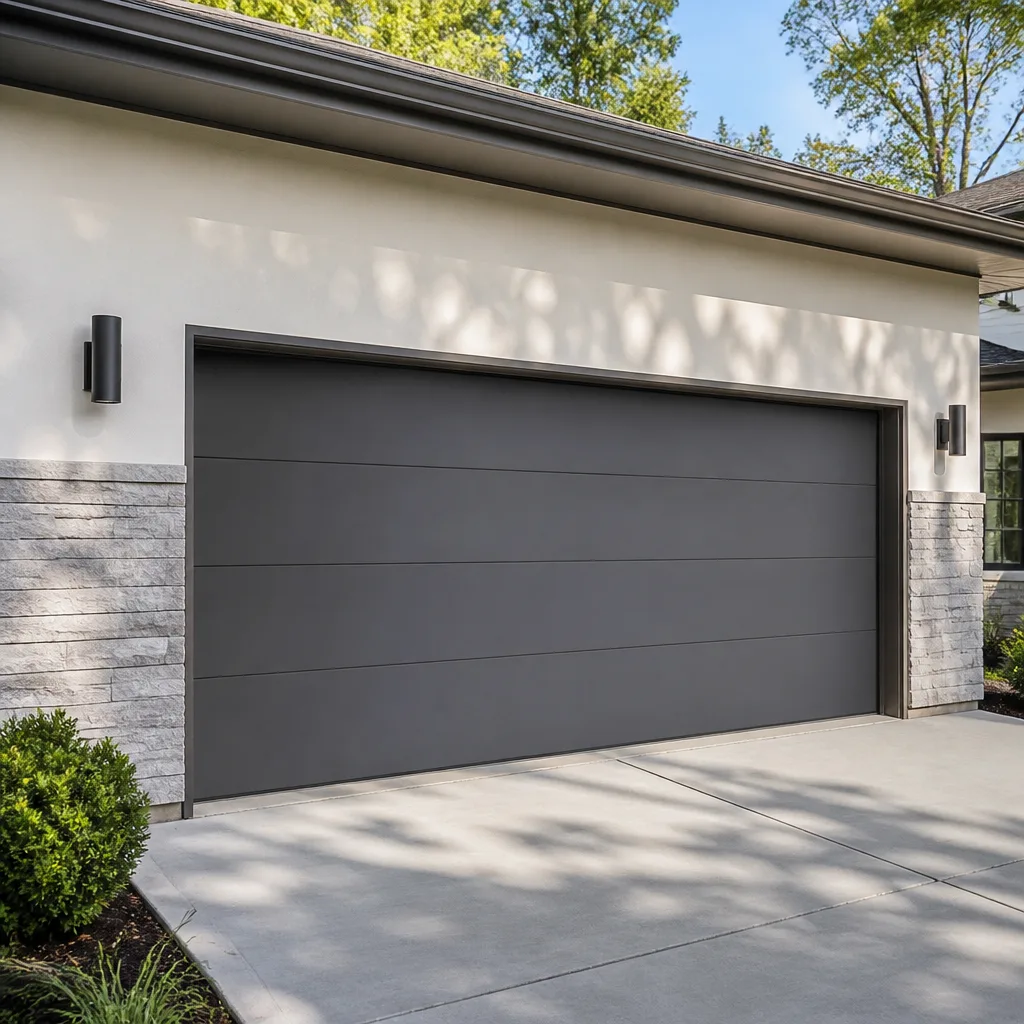 Modern flush
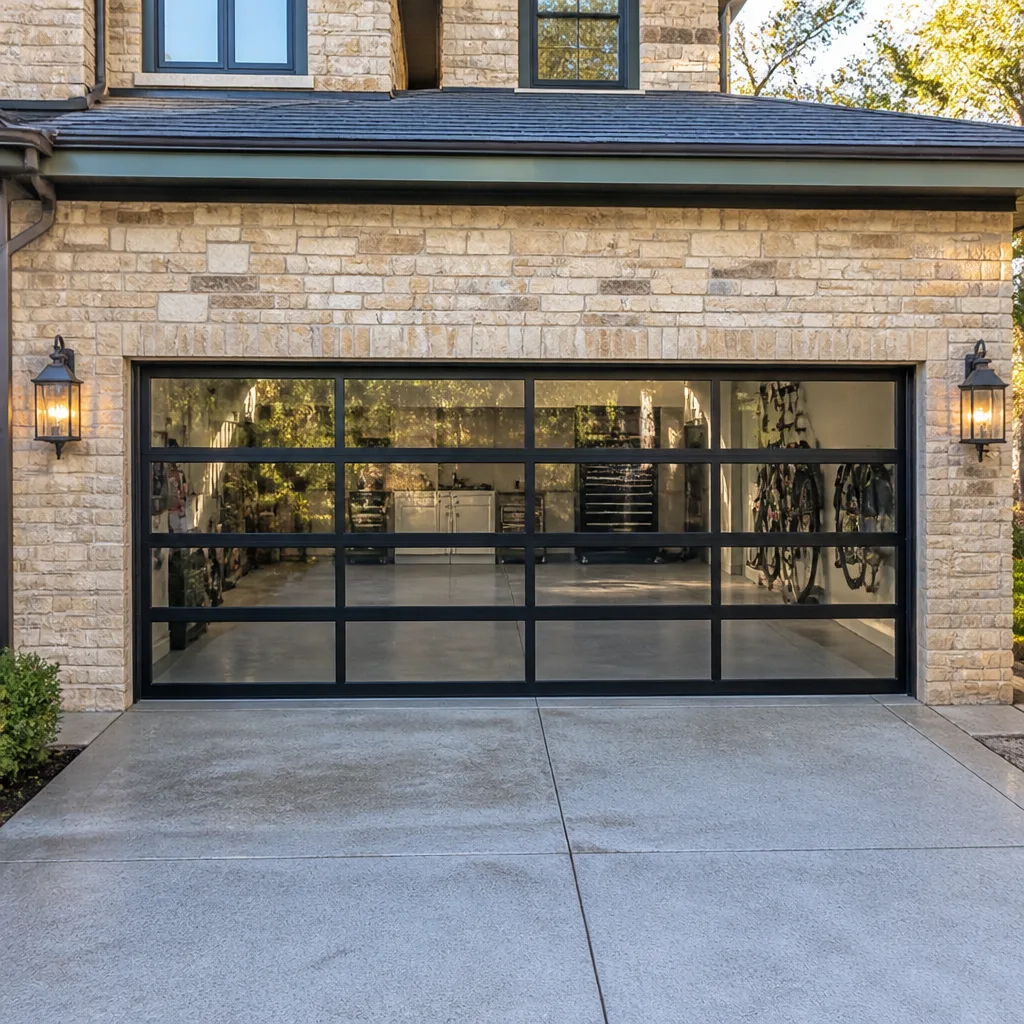 Full-view glass
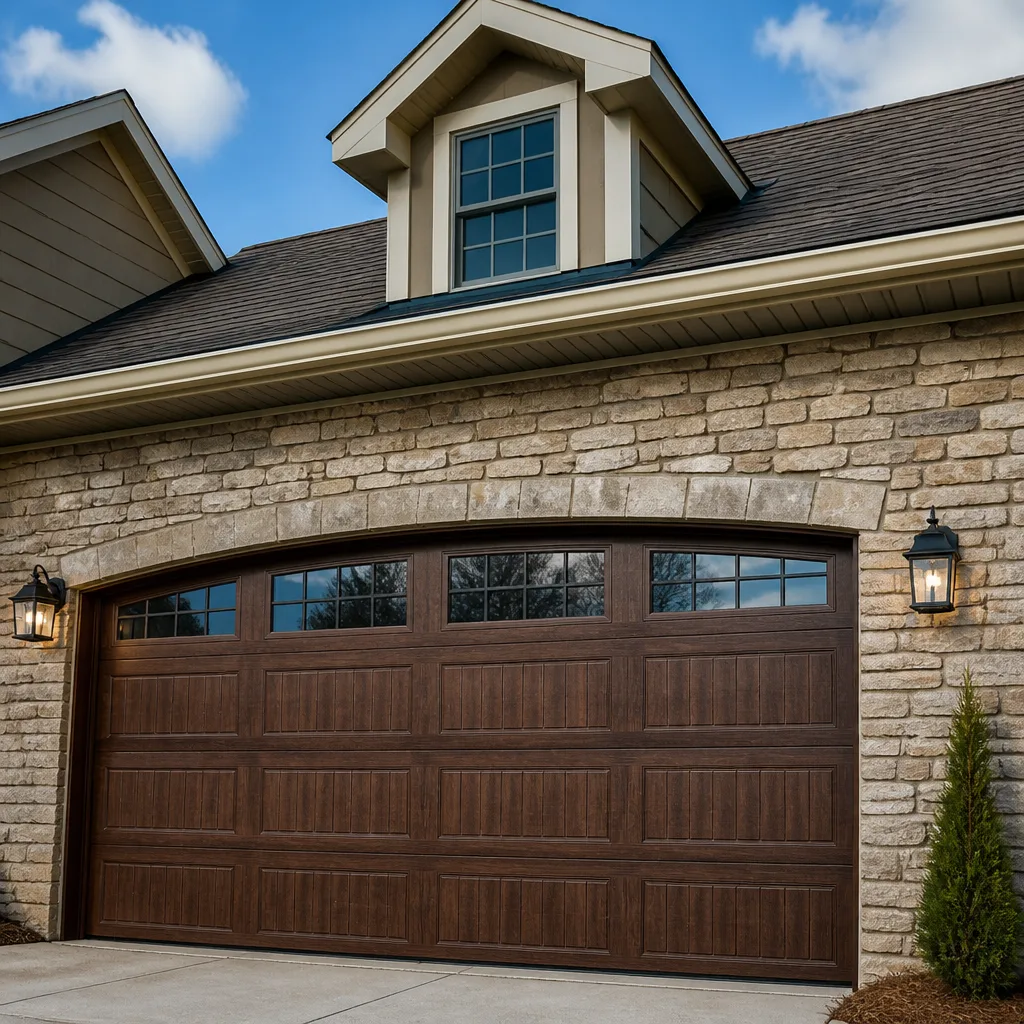 LiftMaster openers
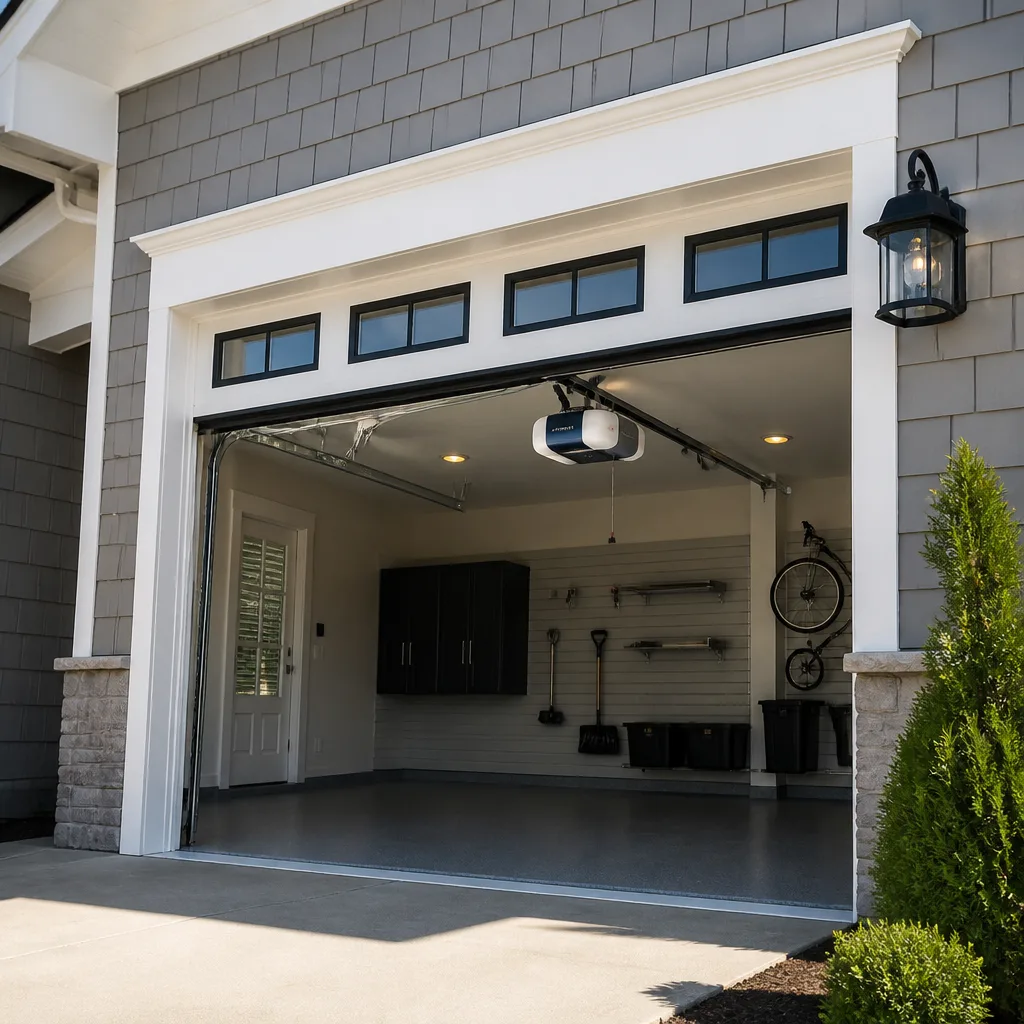 Chamberlain openers
Full 25-point door and opener safety check with every visit - springs, cables, rollers, tracks, and your LiftMaster or Chamberlain opener included
You get a price before we start. It does not change when the pro arrives.
Get your free estimateGarage Door Repair Maintenance Checklist for Tulsa Homeowners
Most garage door checklists you’ll find online treat the door like a lawn mower: oil the chain, tighten a bolt, you’re done. That advice doesn’t match how doors actually fail here. In Tulsa, the real wear comes from freeze-thaw cycles that work springs and cables through dozens of small temperature swings each winter, followed by severe storm seasons that stress every hinge and roller. The result is a predictable pattern, and a checklist built around it catches problems while they’re still cheap to fix. This guide walks through that sequence, step by step, and gives you a simple triage system so you’re not calling for every minor creak.
Quick Answer
A good garage door maintenance checklist for Tulsa homeowners should move in this order: test the balance and safety reverse first, then inspect springs and cables for freeze-thaw fatigue, clean and treat the bottom seal, lubricate moving parts with a product that survives summer heat, and check the hardware torque points that road vibration loosens over time. Do the full pass twice a year, once in early spring after the freeze-thaw season and once in late fall before the first cold snap. Anything involving springs or cables belongs with a trained technician, not a weekend project.
Styles & brands we work with
- Raised-panel steel
- Carriage house
- Modern flush
- Full-view glass
- LiftMaster openers
- Chamberlain openers
Table of Contents
- Why Tulsa Doors Wear Differently Than the Average Checklist Assumes
- The Post-Winter Inspection Sequence: Springs, Cables, Seals
- How to Test Door Balance Yourself and Read the Result
- Lubricants That Hold Up in Oklahoma Summer Heat
- Hardware Torque Points That Loosen on Tulsa Homes
- Bottom Seals and Weather Stripping in Storm Season
- The “Do Now vs. Watch It” Triage System
- A Year-Round Seasonal Maintenance Calendar for Tulsa
Why Tulsa Doors Wear Differently Than the Average Checklist Assumes
A garage door in Tulsa doesn’t age the way the magazine version of a garage door ages. The biggest factor is the freeze-thaw pattern. Springs are wound steel under constant tension, and every time the temperature drops below freezing and climbs back above it, that steel expands and contracts a little. Do that enough times across the winter and the metal fatigues quietly, without any visible failure, until the first warm week when homeowners start using the door daily again. That’s the season when a lot of the repair calls start coming in, and it’s not because of a storm. It’s the accumulated winter stress finally giving way.
The second factor is severe weather. Tulsa sits in a region where hail, high wind, and sudden barometric drops are a routine part of the year. Panels bend, rollers get knocked slightly out of alignment, and bottom seals take a beating. None of that announces itself loudly. It shows up later as a door that runs rougher than it used to.
The third factor is less obvious: road vibration. Homes near the arterial roads that carry steady traffic into and around Tulsa absorb a surprising amount of low-level vibration through their foundations. That vibration doesn’t damage a door in a week. It does loosen the bolts that hold hinges, the track brackets, and the opener rail over a period of seasons. A general checklist that says “check the hardware” doesn’t warn you about this. A Tulsa-specific one does.
If you take one thing from this guide, take this: the order matters as much as the tasks. Test the safety systems first because those protect people. Inspect the high-stress metal parts second because those are where catastrophic failure lives. Everything else comes after.
The Post-Winter Inspection Sequence: Springs, Cables, Seals
The post-winter pass is the most important inspection of the year in Tulsa, and it should happen before you fall back into daily use. Run it in this order.
- Look at the springs first, from the floor, with the door closed. Torsion springs sit on a bar above the door; extension springs run along the sides. Either way, watch for visible gaps in the coil, a stretched-out appearance, or a light rust bloom along the windings. A spring that has fatigued over winter often shows rust before it snaps, because the stressed metal oxidizes faster.
- Inspect the cables for fraying and slack. Cables are under high tension and should run tight and evenly along their path. Look for broken strands, kinks, or cables hanging loose on one side. If the cable is off its drum, stop and call a technician. Do not try to reseat it yourself.
- Check the bottom seal for cracking and compression set. The rubber seal along the bottom edge takes the most freeze-thaw stress because it’s touching cold concrete. Look for hard, brittle rubber, visible cracks, or a gap under the door when it’s closed.
- Look at the panel gaps and roller alignment. Any panel that’s sitting unevenly, or a roller that’s visibly out of its track, points to storm-related damage from the previous season.
- Run the door once and listen. A door that ran quietly in October and pops or grinds in April is telling you something changed over the winter.
A safety note before you go further: torsion springs and cables are under enough tension to cause serious injury if they release unexpectedly. Never try to wind, unwind, or adjust a spring yourself, and don’t try to tighten a slack cable by hand. That work belongs with a trained technician who has the right winding bars and knows how to release the tension safely. What you can do is look, listen, and know when to call. If your springs show fatigue or your cables look off, our garage door repair service covers spring and cable work directly.
How to Test Door Balance Yourself and Read the Result
The balance test is the single most useful thing a homeowner can do on their own, because it tells you whether your springs are still doing their fair share of the lifting. A balanced door should stay put at roughly the halfway point. An out-of-balance door means the springs (or the opener) are carrying weight they shouldn’t, which accelerates wear on everything else.
- Disconnect the opener. Most openers have a manual release cord or handle hanging from the trolley. Pull it to release the door from the opener arm.
- Raise the door by hand to about halfway. Do it slowly, and let go gently rather than snatching your hand away.
- Watch what the door does. If it stays roughly where you left it, you’re balanced. If it drops on its own, the springs have lost tension. If it wants to rise, the springs are over-tensioned.
- Reconnect the opener only after you’ve noted the result, and never leave the door connected and balanced by the opener alone as your only safety.
Here’s the part most checklists leave out: what a borderline result actually means. A door that drops slowly but steadily from the halfway point is not “close enough.” It usually means the springs have lost somewhere between a small fraction and a meaningful amount of their original lift, and that missing lift is being picked up by the opener motor. That’s fine for a while. It stops being fine when the springs finally give completely, which is the classic scenario where a door comes down hard. If you see a slow, steady drift, that’s a “get it checked” result, not a “keep an eye on it” result.
If the door behaves perfectly through the test but the opener still runs rough or stops partway, the door isn’t the problem. That points to the opener itself, and our garage door opener repair service handles the mechanical and electronic side of that diagnosis.
Lubricants That Hold Up in Oklahoma Summer Heat
Lubrication looks simple until it’s 100 degrees in July. Products that work fine in a cool garage thin out in Oklahoma heat, migrate away from the parts that need them, and turn into a sticky film that attracts grit and dust. Grit on a moving part is worse than no lubricant at all, because it grinds into the metal.
What actually holds up in this climate:
- A lithium-complex or synthetic grease for hinges, rollers, and the torsion bar bearings. These base greases resist thinning at high temperatures and stay put longer than lighter products.
- A silicone-based spray for the bottom seal, weather stripping, and the tracks. It doesn’t attract grit, and it keeps rubber from drying out through the summer.
- A dedicated garage door lubricant labeled for high-temperature use. If the label is vague about temperature, treat it as a red flag and skip it.
Avoid household WD-40 as a long-term lubricant. It’s a fine light-duty product, but it evaporates and leaves little lasting protection on a part that cycles a dozen times a day. Avoid heavy motor oil too; it migrates onto the tracks and turns into a magnet for grit.
Lubricate hinges at the pivot points, not the flat plates. Get the rollers at their axles, not the wheels that ride the track. Apply a light film, then wipe off the excess. Excess lubricant is as bad as none in this climate, because it becomes the surface that grit binds to. Two light passes a year is better than one heavy one.
Hardware Torque Points That Loosen on Tulsa Homes
Road vibration is a real factor on doors near the major arterial routes through midtown, Brookside, and the neighborhoods that ring the downtown core. It won’t loosen a bolt in a week, but across a couple of seasons it will introduce enough movement that hinges rattle and the door’s alignment drifts. Checking the high-load bolts twice a year catches this before it becomes a reseating job.
The bolts that matter most:
- Hinge bolts on the door panels. Each hinge has fasteners that connect it to the panel. Worn or loose fasteners allow the hinge to shift and put extra load on the roller.
- Track bracket bolts. The brackets holding the vertical and horizontal tracks to the jamb and the ceiling are high-load. A loose bracket permits the track to shift out of plane, which then forces the door to work harder.
- Roller carrier bolts. These attach the roller to the hinge. Loose ones let the roller sit slightly off-axis, and the resulting wobble accelerates roller wear.
- Opener rail and motor mount bolts. If the rail vibrates loose, the opener’s alignment to the door shifts and the force transmitted to the door becomes uneven.
- Bottom bracket bolts. These hold the cable tension. Do not attempt to adjust them yourself; a slipped bottom bracket is a genuine safety hazard. Have a technician check them during a service visit.
When tightening, use the right hand tool and apply firm, even pressure. Overtightening can crack a panel or strip a bolt, especially on older doors. If a bolt won’t hold its torque after two attempts, that’s a sign of a stripped fastener or worn hardware and worth a professional look rather than more force.
Bottom Seals and Weather Stripping in Storm Season
Tulsa storm season gives the bottom seal a workout. Wind-driven rain finds every gap, and hail bouncing off the door face puts pressure on the panel seams and the seal itself. A hardened or cracked seal lets water run in under the door, which then sits on the garage floor and works its way into the framing.
What to check on the seal:
- Run a hand along the underside of the closed door. The rubber should feel supple, not hard. If it’s crunchy or crumbles off on your fingers, it’s gone.
- Slide a sheet of paper under the closed door at several points. If it slides freely without resistance, the seal isn’t doing its job. If it’s held tight, you’re good.
- Look at the sides and top weather stripping. Any visible gap, tear, or sag is letting air and water in.
- Check the threshold where the seal meets the concrete. A cracked or uneven threshold allows water to pool.
Replacing a bottom seal is a small job that a homeowner can usually handle on their own if the retainer is in good shape. If the retainer is rusted out, or the door has panel damage, replacing the whole seal assembly becomes a technician job. Pair this with your post-winter inspection and your fall prep; those are the two moments when seal condition matters most.
The “Do Now vs. Watch It” Triage System
The single biggest mistake homeowners make with maintenance is treating every small noise as a service call. The second biggest is ignoring something that actually needed attention weeks ago. A simple triage system fixes both.
Do Now (call a technician)
- A visibly broken or sagging spring. The door may still work on the remaining spring, but running it risks damaging the opener and the door itself. Don’t operate it.
- A frayed, kinked, or off-drum cable. This is a safety risk. Stop using the door.
- A door that won’t stay open at the halfway point and drops steadily. The springs are failing.
- The safety reverse fails the test. If a block under the closed door isn’t detected and reversed, the door should not be operated until it’s fixed.
- Panels that have visibly bent or cracked from a storm. Those panels are now a structural concern.
Watch It (log it and check again in a month)
- A faint creak or groan that shows up at one spot in the travel. Note where and when; a light lubrication pass may clear it. If it persists after lubrication, upgrade it to “do now.”
- A roller that’s slightly noisy but still tracking correctly. Note it and recheck after the next lubrication.
- A small amount of play in a hinge bolt that tightens back up with a light torque pass. Recheck in a month to confirm it’s holding.
- A seal that’s slightly stiff but not cracked. Treat with silicone spray and check again after the next temperature swing.
The general rule: if it’s a sound, note it. If it’s a physical change in metal, rubber, or alignment, deal with it. And if you have to think about whether it’s safe to run the door, stop and call.
A Year-Round Seasonal Maintenance Calendar for Tulsa
A calendar keeps maintenance from being a scramble. Here’s how the year breaks down for a door in the Tulsa climate.
Early Spring (after the last freeze)
This is the big pass. Run the post-winter inspection sequence, do the balance test, lubricate all moving parts, and check every torque point. Spring is also when storm season starts, so inspect the seal and panel condition now rather than after the first big hail event. This is the “catch the winter fatigue” moment.
Late Spring (storm season)
After any significant severe weather event, walk the door and look for bent panels, misaligned tracks, or new gaps at the seals. You don’t need a full inspection pass here; a visual check after the weather passes is enough.
Mid-Summer (heat)
Check the lubricant. Heat causes some products to thin or migrate. A quick visual pass on hinges and rollers plus a light re-application of silicone on the seal keeps things moving. Also listen for opener noise, which often gets worse in heat.
Early Fall (pre-cold prep)
Do another full inspection and lubrication pass. Test the safety reverse again; it’s the last good chance to catch a failing sensor before the season of heavy use. Check the balance test one more time; a door that drifts in fall will hit the freeze-thaw cycle in worse shape. Inspect the seal for hardening before it has to flex in cold weather. If your door is getting older, this is also the natural time to think about whether the door itself needs replacing rather than another repair.
Winter (freeze-thaw)
Keep the door clear of ice and snow where it meets the floor. Don’t force the door through a frozen seal. Listen to the opener; a motor that sounds strained in cold weather is telling you the springs have lost tension.
Our technicians have up to 12 years of experience across the eight most-installed door brands in the country, including LiftMaster, Chamberlain, Genie, and Clopay, which means we see this full seasonal arc on a lot of doors and know what “normal” looks like for the climate. If you want the full passthrough handled professionally rather than adding another item to your own list, our Bedrock Garage Door Repair team can run the seasonal inspection and quote any work in writing before it starts.
Common Mistakes to Avoid
- Treating the balance test as optional. The halfway test is two minutes of your day and it’s the earliest warning you’ll get that the springs are failing. Skipping it in favor of the more obvious lubrication tasks is the biggest miss in most Tulsa homes.
- Using WD-40 as your only lubricant. It evaporates, leaves little protection, and on a part that cycles dozens of times a day that’s a recipe for accelerated wear. Use a dedicated high-temperature grease on hinges and rollers.
- Over-lubricating. A thick film of grease on the tracks or a heavy coat on rollers attracts Oklahoma dust and grit, and grit grinds metal faster than bare surfaces. Light film, wiped down, beats a heavy coat every time.
- Ignoring the “barely” results. A door that drifts slowly from the halfway point, or a hinge that tightens back but re-loosens after a month, isn’t a coincidence. Those are early signs that need a professional look.
- Trying to adjust springs or cables yourself. This is the one mistake in this list that can put someone in the hospital. Torsion springs and cables are under enough tension to cause serious injury; that work belongs with a trained technician.
- Waiting until the door fails to call. A door that’s running rough is telling you something. Fixing it on your terms beats fixing it after it’s dropped hard or the opener has taken on the extra load that broke it.
- Letting an older door accumulate years of seals and hardware without considering replacement. A door that needs repeated spring, cable, and panel work is worth pricing the alternative honestly. We work on every major brand, so we’re not pushing a brand we happen to stock; we’re recommending based on what your door actually needs.
See the difference
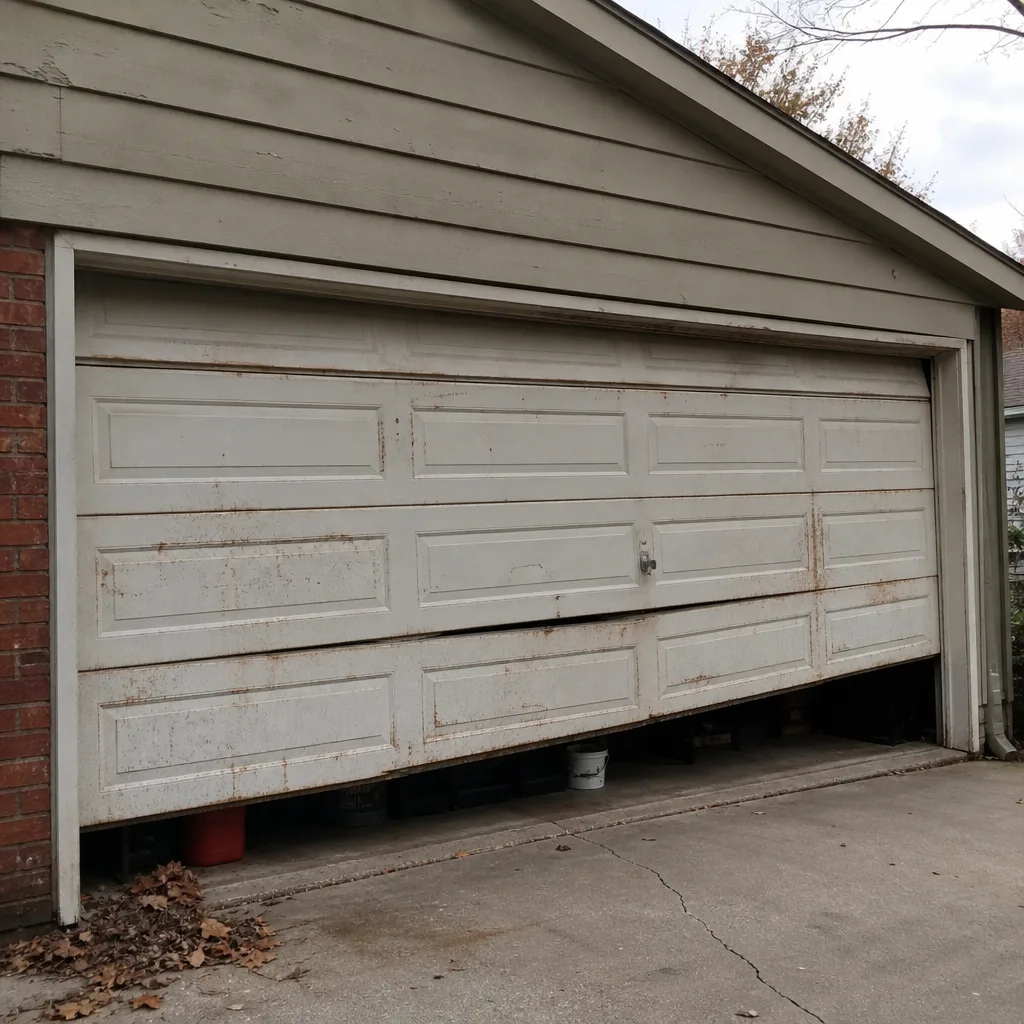 Before
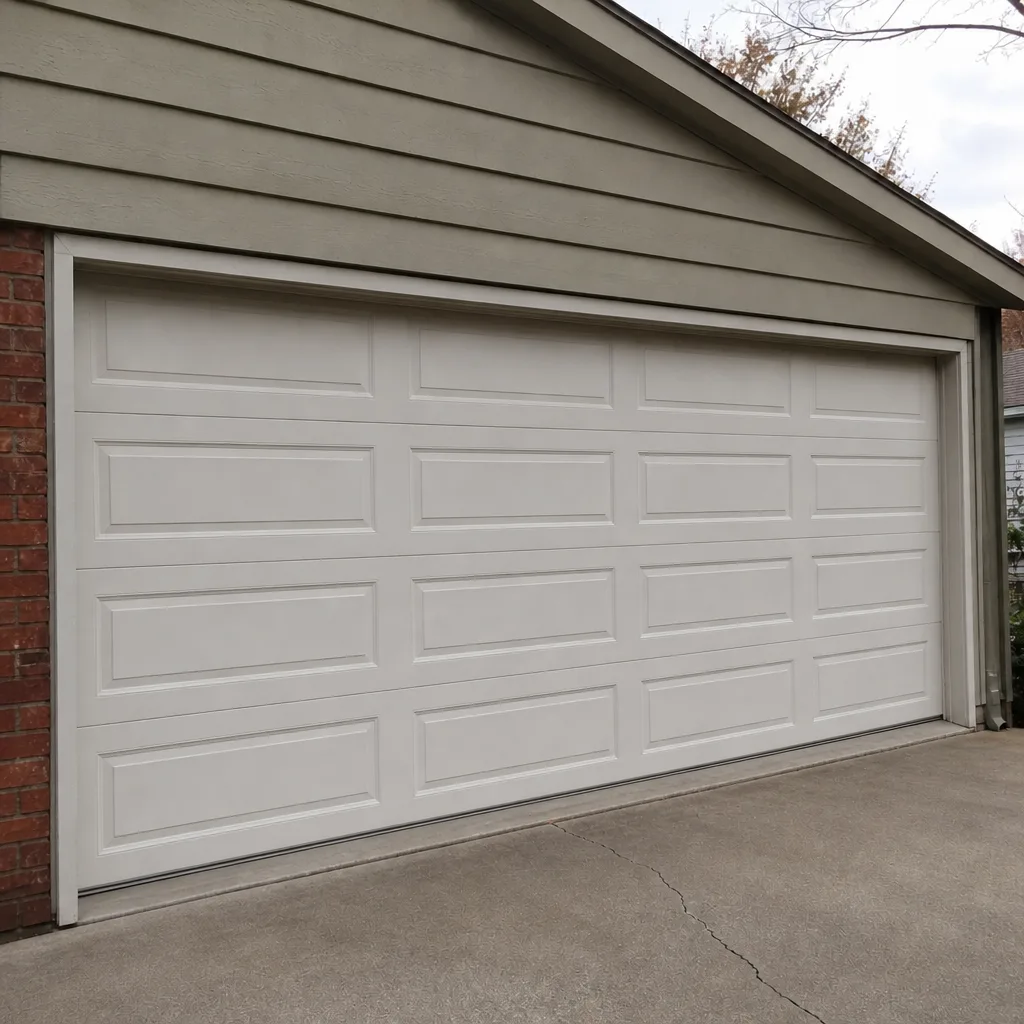 After
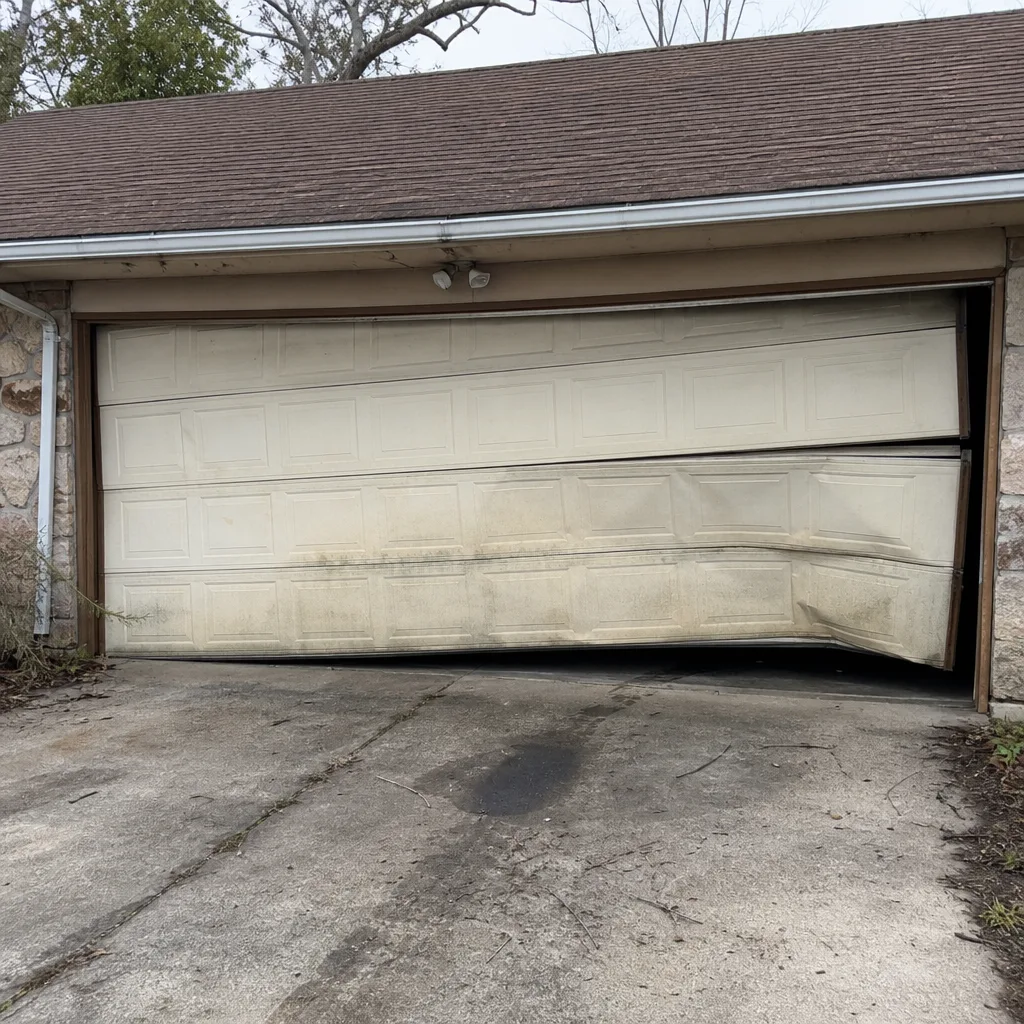 Before
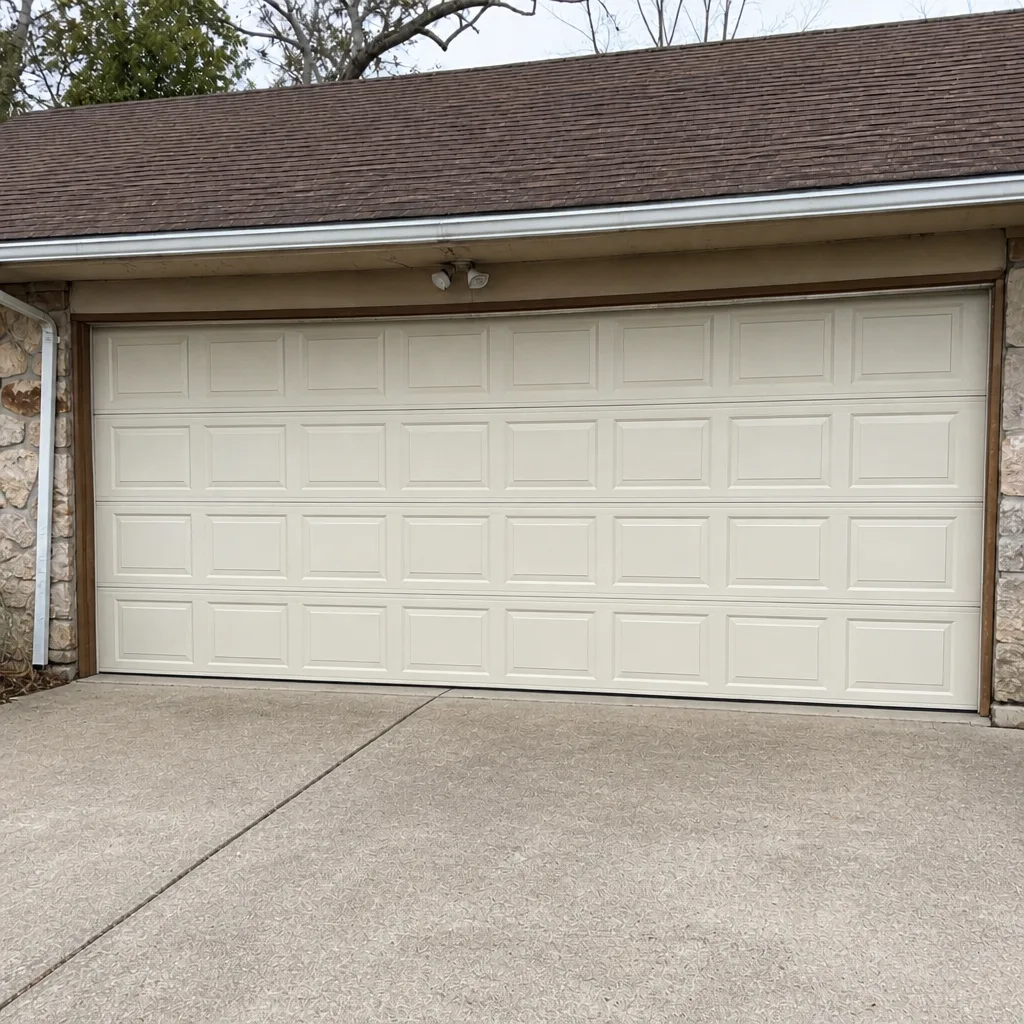 After
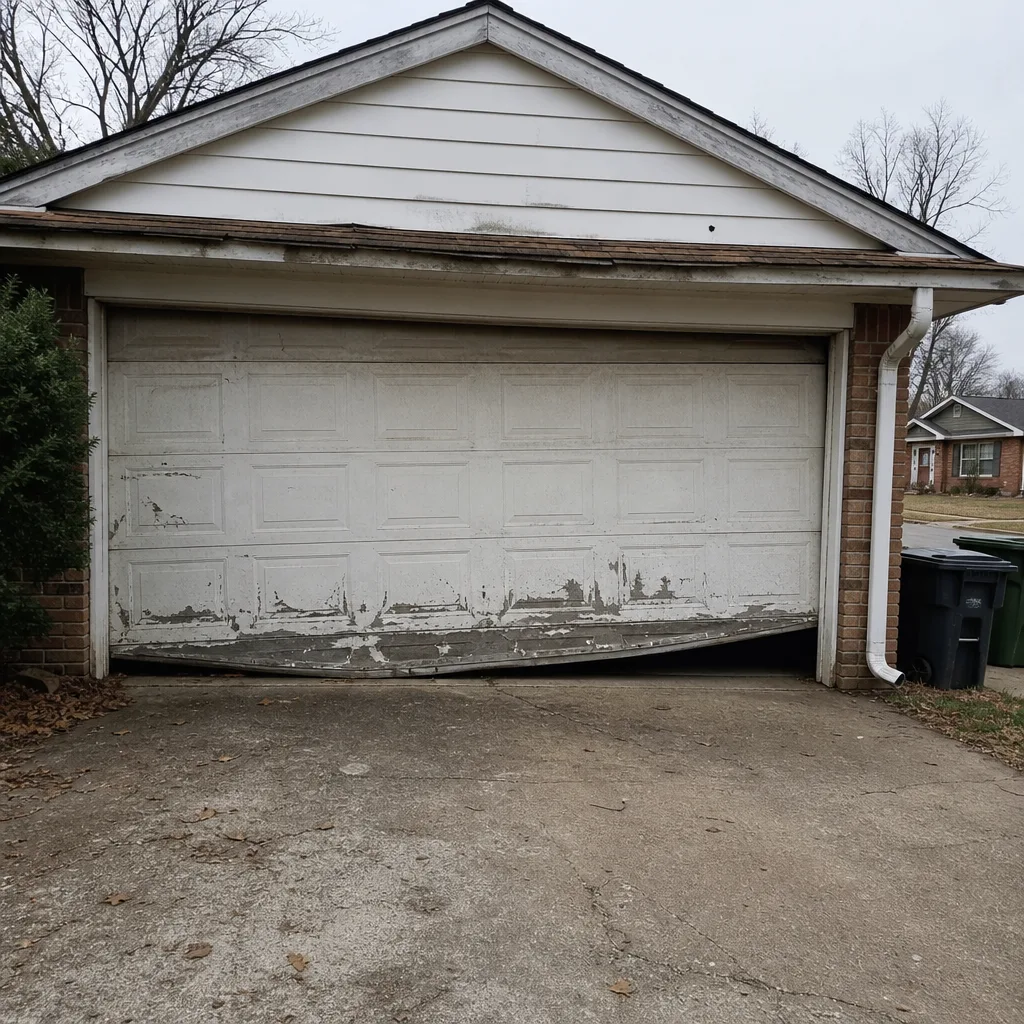 Before
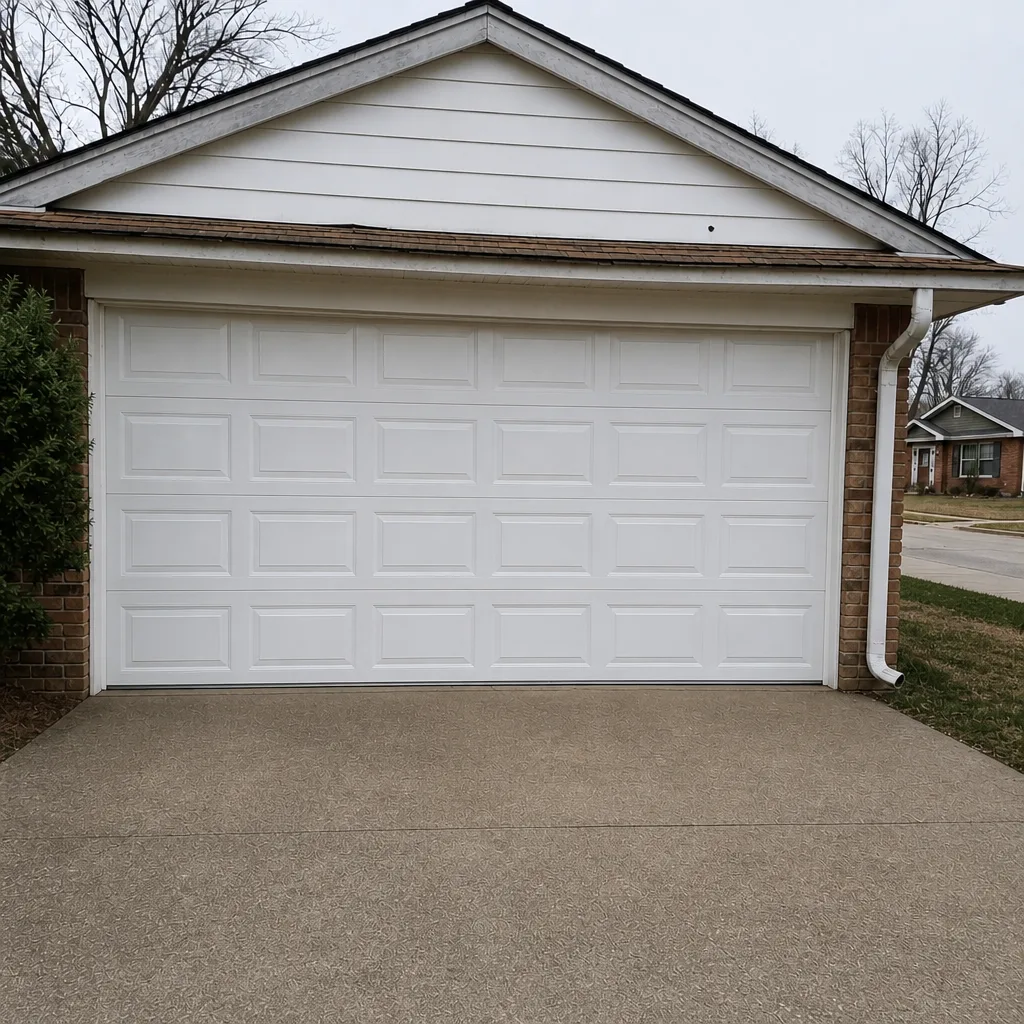 After
When to Call a Professional
Some tasks in this checklist belong with you. Some don’t. Call a professional if you see a broken or visibly fatigued spring, a frayed or off-drum cable, a door that drops steadily from halfway, a failed safety reverse, or panels that have bent from storm damage. Call for the opener if it runs rough, stops partway, or makes the motor strain on a cold morning. And call if the door has older hardware that hasn’t been reseated since before the last freeze-thaw season. Bedrock Garage Door Repair offers free estimates in Tulsa – call (855) 962-5268. We answer 24/7, with fast dispatch from 7am to 7pm, Sunday through Friday.
One more thing worth saying plainly: the price you’re quoted is the price you pay. Every job, from a single spring to a full new door, comes with a written estimate agreed before any work starts, so the invoice doesn’t surprise you after.
Frequently Asked Questions
Twice a year is the right cadence in Tulsa: once in early spring after the freeze-thaw season, and once in early fall before cold weather sets in. Add a quick visual check after any significant storm. The spring and fall passes catch the two biggest seasonal stress patterns before they turn into repairs. Call (855) 962-5268 if you’d rather have the full pass handled by a technician with the right tools. The estimate is free.
The balance test tells you whether your springs are still carrying the door’s weight or whether the opener is compensating for failing springs. A door that stays at the halfway point is balanced. A door that drifts slowly is telling you the springs have lost tension. A door that drops hard is telling you the springs need immediate attention. Call (855) 962-5268 for a free estimate on spring work if yours drifts or drops.
Springs fatigue gradually through winter’s freeze-thaw cycles and then snap in the first warm week when daily use resumes. The metal accumulates small stress movements across the season and loses strength quietly. That’s why the spring pass is the first item on this checklist, not the last. If your door is running rougher than it did last spring, call (855) 962-5268 and we’ll quote any work in writing before it starts.
Use a lithium-complex or high-temperature synthetic grease on hinges, rollers, and the torsion bar bearings, and a silicone spray on the seal and weather stripping. Avoid household WD-40 as a long-term lubricant and avoid heavy motor oil. A light film wiped down beats a heavy coat that collects grit. If the label doesn’t mention high-temperature use, skip it. Call (855) 962-5268 if you’re not sure what’s safe on your specific door.
No. Torsion springs and cables are under enough tension to cause serious injury if they release unexpectedly, and they require specialized tools to work on safely. Homeowners can inspect, listen, and test balance from the floor. Spring and cable adjustment belongs with a trained technician. Bedrock Garage Door Repair covers spring and cable work directly. Call (855) 962-5268 for a free estimate.
A door that keeps needing spring, cable, panel, and hardware work in quick succession is usually a sign that the door’s components are near the end of their useful life together. A single failure is normal wear; a pattern of failures points to replacement. Our technicians work across every major brand, so the recommendation is driven by what the door actually needs rather than what a technician happens to stock. Call (855) 962-5268 for a free measure and a written price.
The Bottom Line
The maintenance sequence that works for a Tulsa door is built around the local pattern of failure: springs fatigued by winter freeze-thaw, hardware loosened by road vibration and storm seasons, seals hardened by summer heat. Do the balance test and safety reverse first. Inspect springs and cables before anything else gets your attention. Use lubricants built for heat. Check the torque points that actually move. And use the triage system to separate a creak from a genuine problem. The goal isn’t a perfect door forever. It’s catching the fixable things before they become expensive ones. If the checklist turns up something that belongs with a technician, call (855) 962-5268 for a free estimate. We answer 24/7, with fast dispatch from 7am to 7pm, Sunday through Friday, and the price is quoted in writing before any work starts.
Written by the team at Bedrock Garage Door Repair.