
Last updated November 14, 2026
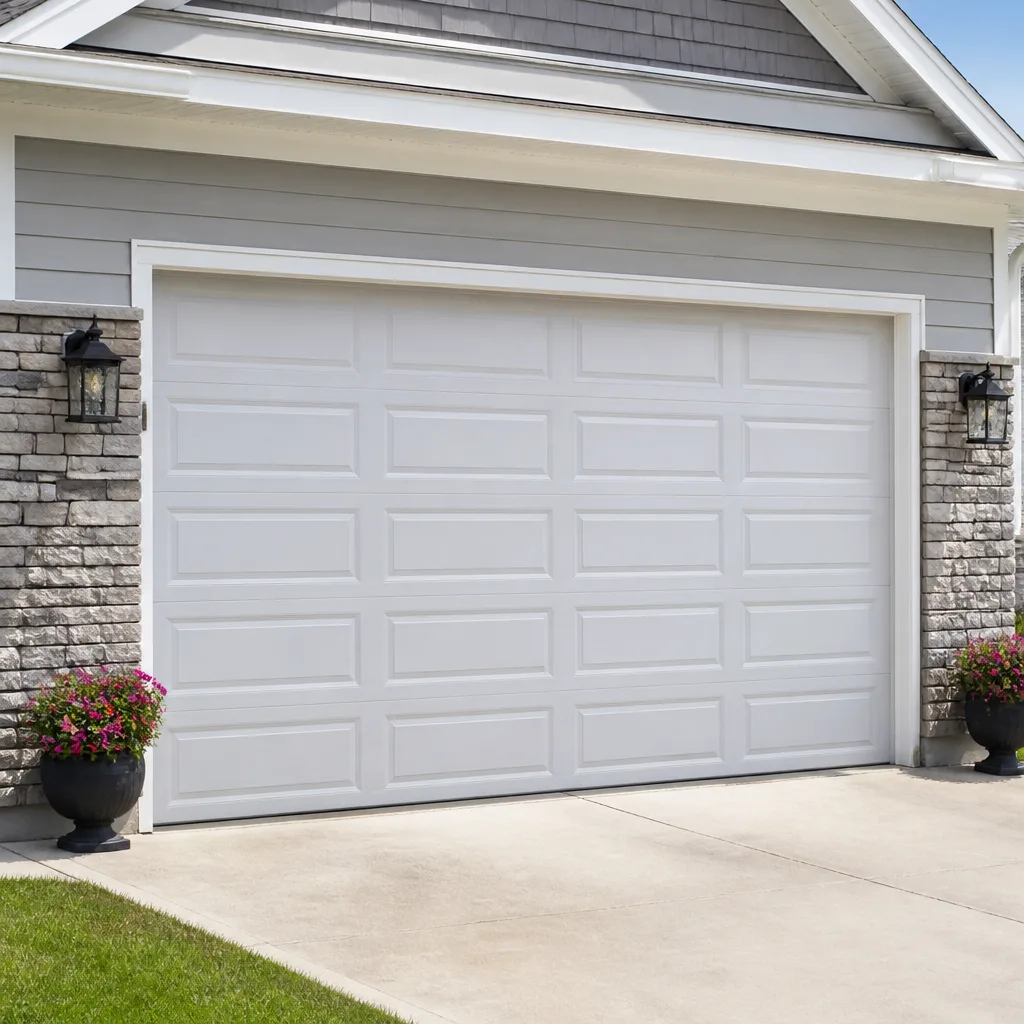 Raised-panel steel
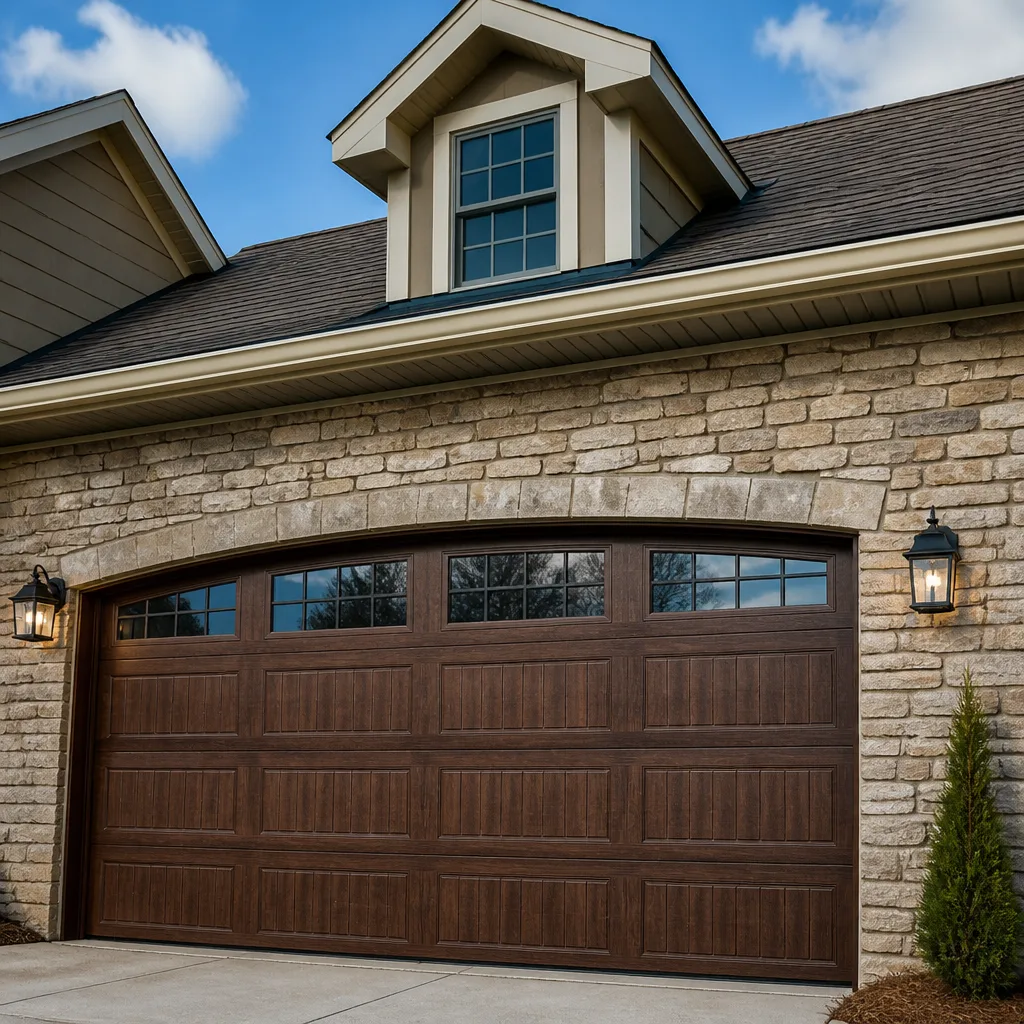
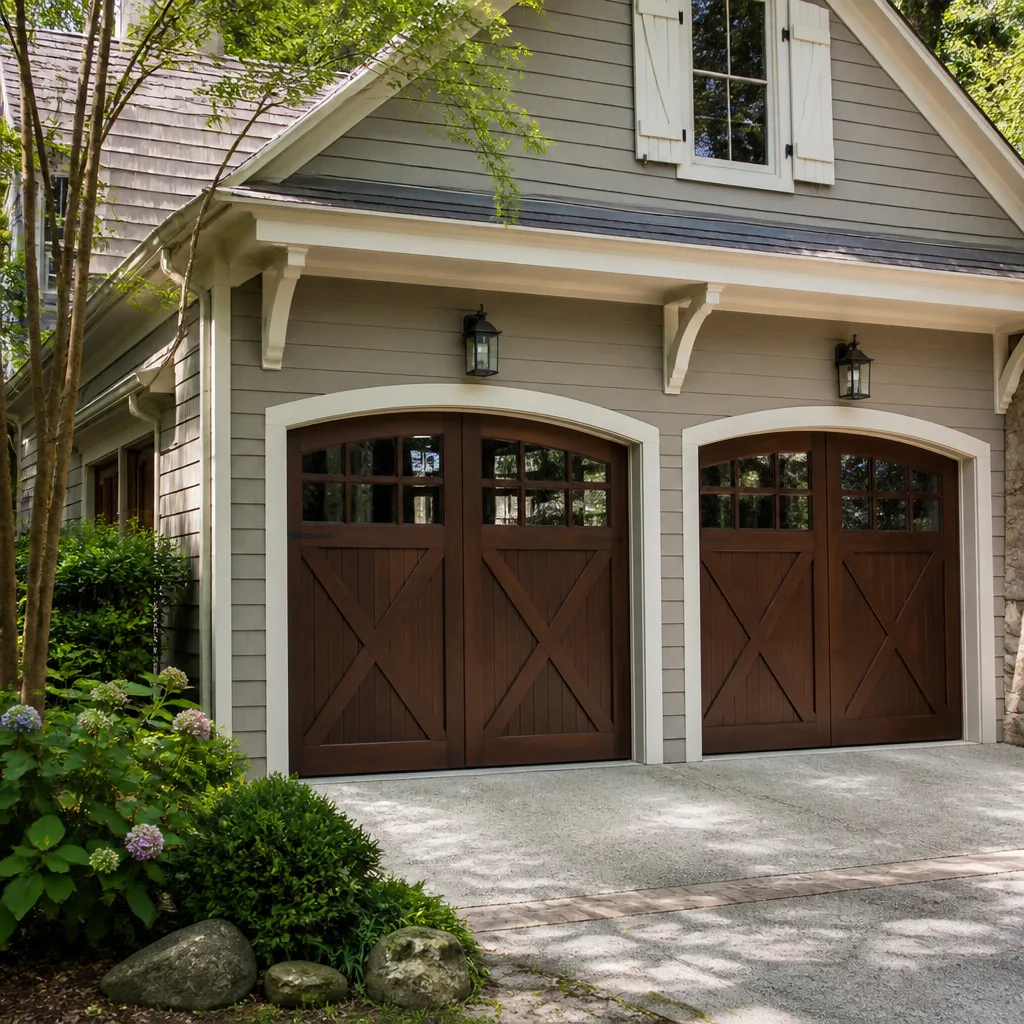 Carriage house
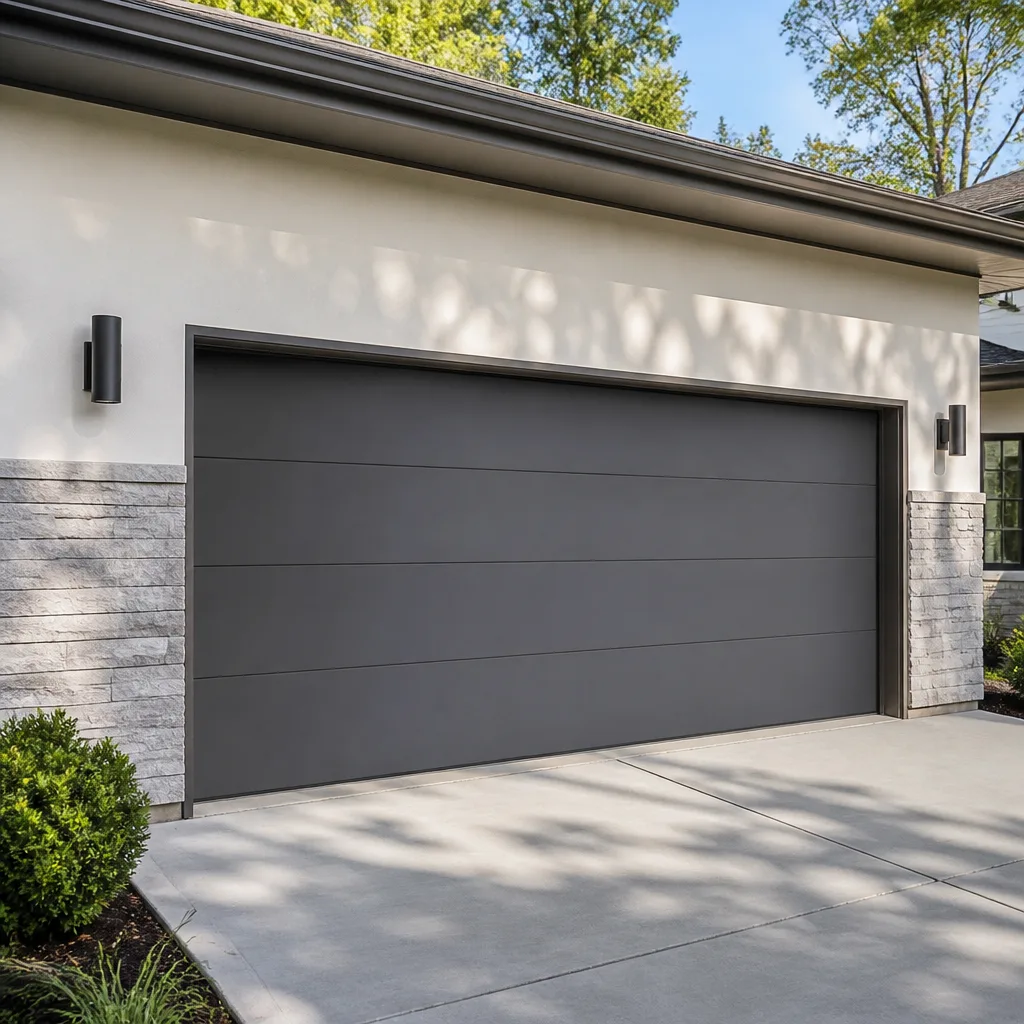 Modern flush
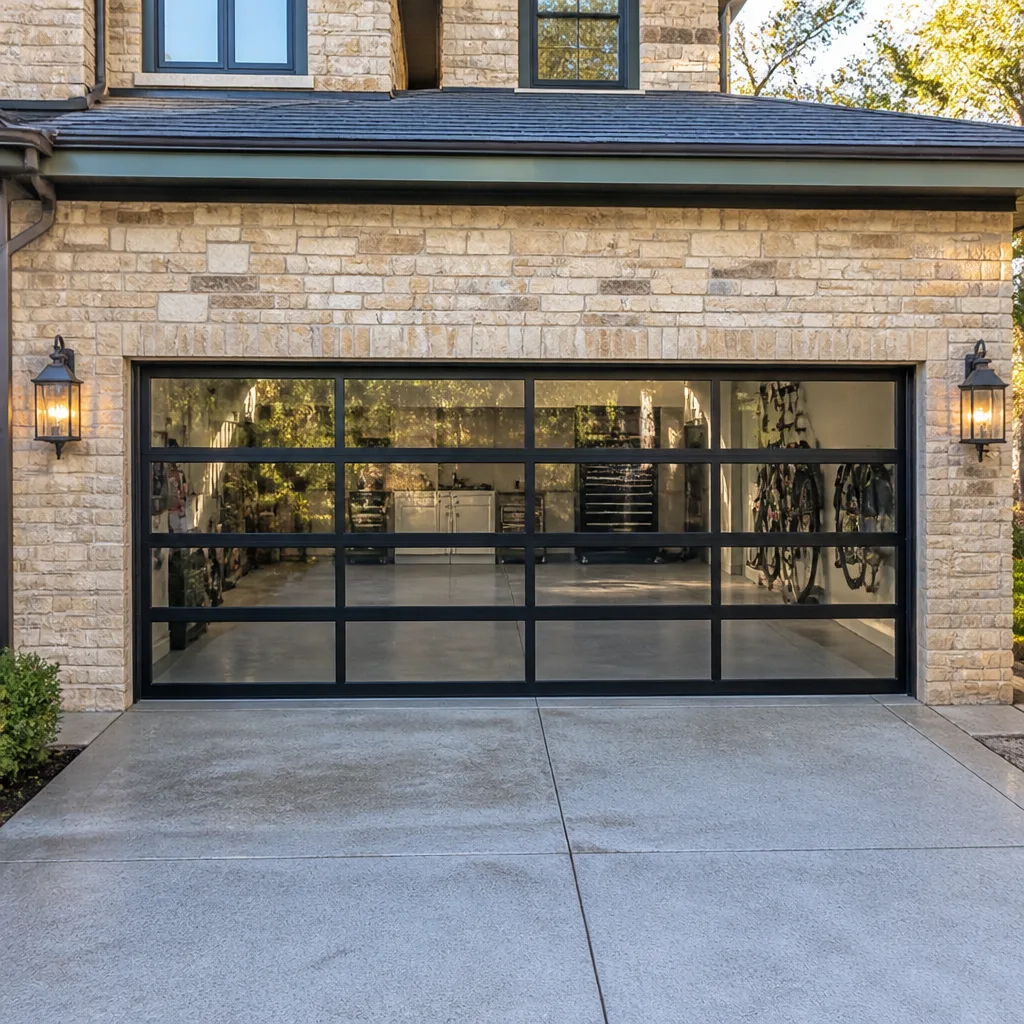 Full-view glass
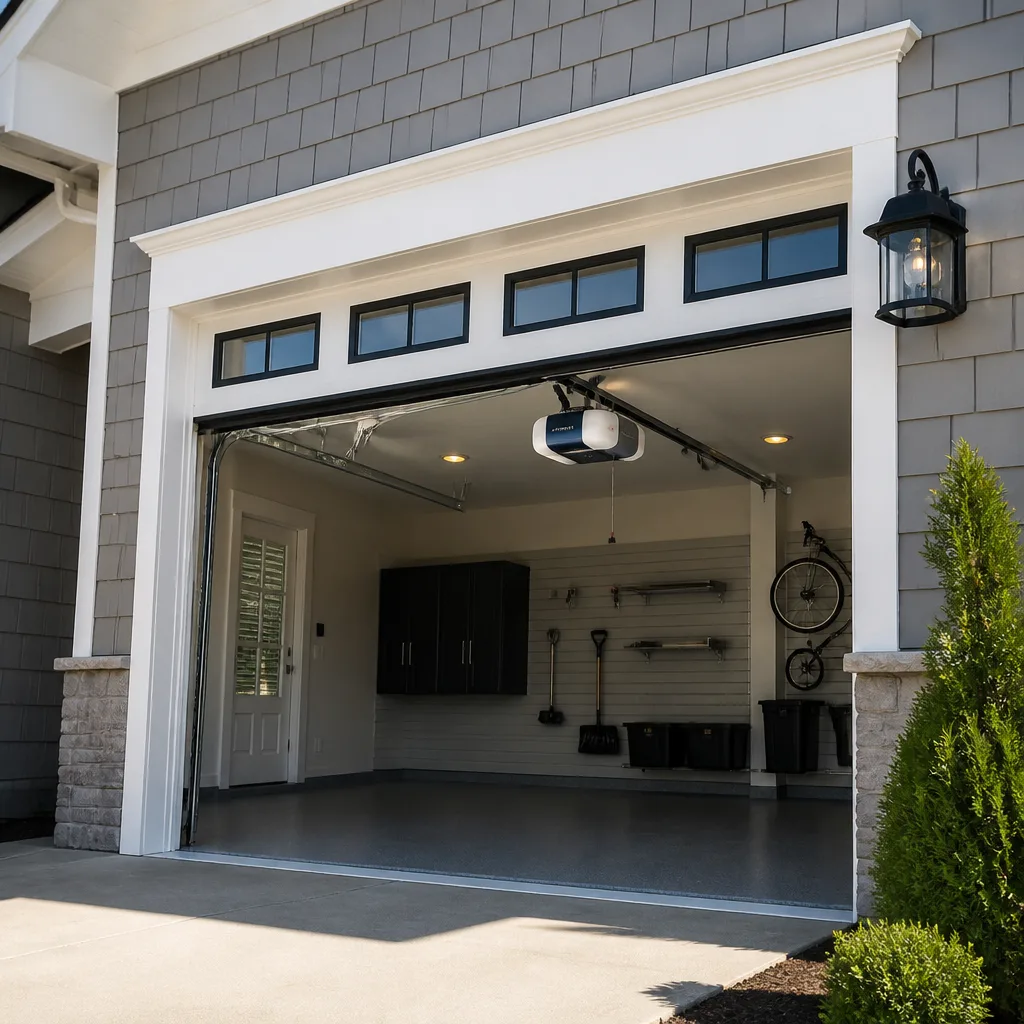
 LiftMaster openers
 Chamberlain openers
Full 25-point door and opener safety check with every visit - springs, cables, rollers, tracks, and your LiftMaster or Chamberlain opener included
You get a price before we start. It does not change when the pro arrives.
Get your free estimateGarage Door Repair Maintenance Schedule: What to Do and When
Lubricating your garage door once a year sounds responsible. But if you’re using the wrong product on the wrong part in August heat, you’re accelerating the wear you think you’re preventing. That’s the trap with most maintenance calendars: they hand you a list of tasks without telling you what your door actually needs, or when. A garage door in Tulsa lives through freeze-thaw cycles in January and 100-degree stretches in July, and it opens a different number of times depending on whether you’re a two-car commuter household or a landlord with eight units. This guide gives you a schedule built around both, task by task, with the specific things to check and the measurements that tell you a part is wearing out before it fails.
Quick Answer
A garage door repair maintenance schedule has three tiers: monthly visual checks you can do in five minutes, twice-a-year mechanical inspections covering balance, hardware, and lubrication, and one professional service visit per year. In Tulsa, the two dates that matter most are late fall, before the first hard freeze stresses springs and cables, and late spring, when heat starts working on rubber seals and track alignment.
Styles & brands we work with
- Raised-panel steel
- Carriage house
- Modern flush
- Full-view glass
- LiftMaster openers
- Chamberlain openers
Table of Contents
- The Three Tiers of Garage Door Maintenance
- Monthly Visual Checks: The Five-Minute Walk-Around
- The Oklahoma Climate Calendar: What to Do Before Winter and Summer
- Lubrication Done Right: The Right Product for Each Part
- Adjusting the Schedule for Heavy Use
- The Balance Test and Other Measurements That Predict Failure
- Building a Maintenance Log That Actually Helps
- Opener-Specific Maintenance Most Homeowners Skip
The Three Tiers of Garage Door Maintenance
Not every task belongs on the same calendar. Dividing maintenance by how often it needs doing keeps it realistic, and it stops you from skipping the small checks because the big ones feel overwhelming. Here’s how the tiers break down.
Tier 1: Monthly visual checks
Five minutes, no tools beyond a flashlight. You’re looking for changes: a cable that’s started to fray, a roller that’s come loose, a panel that’s developed a creak or a gap. These checks catch problems while they’re still cheap. On a door made by Clopay, Amarr, or any of the other major lines, the hardware is visible and inspectable from the floor; you just have to look.
Tier 2: Twice-a-year mechanical inspection
This is where you get your hands slightly dirty: checking the balance of the door, tightening bolts, inspecting springs and cables, and lubricating the right parts with the right product. Schedule it once in late fall and once in late spring to match Oklahoma’s two stress seasons.
Tier 3: Annual professional service
Once a year, a trained technician should look at the parts you shouldn’t touch: spring tension, cable condition at the drums, opener force settings, and the overall structural alignment of the door. This is also the point where a worn part gets replaced on a planned basis rather than at 7am when the door won’t close and you’re late for work.
The tiers matter because most homeowners either do nothing or try to do everything at once. A door in Tulsa that gets the monthly look, the seasonal inspection, and one professional visit a year tends to run for a very long time without surprises.
Monthly Visual Checks: The Five-Minute Walk-Around
Set a reminder on the first of the month, or attach it to something you already do, like changing the furnace filter. The goal is a quick, consistent survey. Here’s what to check, in order.
- Look at the springs. With the door closed, inspect the springs above the door (torsion) or along the sides (extension). Look for gaps, a stretched section, or rust. Never touch a spring under tension. If something looks wrong, stop and call a professional.
- Check the cables. Run your eyes along each cable from the drum to the bottom bracket. Frayed strands, kinks, or slack on one side are all signs to stop using the door.
- Eyeball the rollers. Worn rollers develop flat spots or wobble in their brackets. A roller that’s cracked or visibly loose is a cheap part that can cause an expensive problem.
- Open and close the door once and listen. A door that’s always been quiet and suddenly isn’t is telling you something. Grinding, popping, or a rhythmic squeak usually points to a specific component.
- Check the safety reverse. Put a small object, like a roll of paper towels, in the door’s path and close it. The door should reverse on contact. If it doesn’t, stop using the opener until it’s fixed.
That’s the whole monthly routine. It takes less time than brewing coffee, and in our experience it catches the majority of developing problems long before they turn into a snapped spring or a door that won’t budge. If you notice something on the list that concerns you, our garage door repair team can take a look and tell you plainly what needs attention.
The Oklahoma Climate Calendar: What to Do Before Winter and Summer
Oklahoma’s weather swings harder than most places, and a garage door feels every bit of it. The metal in springs and cables contracts in the cold and expands in the heat. Rubber seals harden in summer and stiffen in a freeze. Wood and composite panels move with humidity. That’s why a maintenance schedule for a Tulsa door can’t be a generic once-a-year checklist; it needs two seasonal anchors.
Late fall: before the first hard freeze
Cold is hardest on the parts under constant tension. A spring that’s been quietly weakening all summer is most likely to fail on the first genuinely cold morning. Before the freeze cycles arrive:
- Have the springs and cables professionally inspected. Tension that’s off by a little in October can become a failure in December.
- Lubricate the hinges, rollers, and tracks with a cold-rated product. Grease that thickens in the cold makes the opener work harder.
- Check the weather seal along the bottom of the door. A stiff, cracked seal lets cold air in and can freeze to the floor.
- Test the door’s balance. A door that’s slightly out of balance in mild weather will strain the opener much more in the cold.
Late spring: before the summer heat
Heat does its own kind of damage. Rubber seals dry out and crack. Metal tracks can shift as the ground moves with moisture changes. And the opener’s electronic components work harder when the door’s rubber parts are dragging.
- Inspect the bottom seal and any rubber weatherstripping around the frame for cracking or hardening.
- Check track alignment. A track that’s out of plumb makes the door drag, and heat makes the drag worse.
- Lubricate moving parts again with a product that won’t attract dust in dry weather.
- Test the safety reverse and the opener’s force settings.
Two visits a year to the same list, timed to the season, do more for a Tulsa door than a dozen random checks spread across the calendar. It’s also a good rhythm for landlords and property managers in Tulsa maintaining several units: fall and spring become natural inspection rounds.
Lubrication Done Right: The Right Product for Each Part
This is the single most common maintenance mistake we see. WD-40, the blue-and-yellow can everyone has in the garage, is a solvent and a light penetrating oil. It’s excellent for loosening a rusted bolt. It is not a lubricant for a garage door, and using it on springs, tracks, or hinges actually strips away the protective coating and leaves the metal drier than before. On a torsion spring, that means more friction, more wear, and a shorter service life. In August heat, it also attracts dust that turns into a gritty paste inside your rollers.
Here’s the correct product for each part:
- Springs: A dedicated garage door spring lubricant or a silicone-based spray. Not WD-40. Not motor oil. Not grease. Springs need a dry, non-tacky film that won’t collect grit.
- Hinges and rollers: A lithium grease or a white lithium spray. These take load, so they need a product that stays put.
- Tracks: A very light application of silicone spray, or nothing at all on the vertical sections. Tracks should be clean and dry; grease on a track collects debris and causes the rollers to skid.
- Opener chain or screw: The manufacturer’s specified lubricant. For a LiftMaster or Chamberlain chain-drive opener, that’s usually a low-viscosity chain lubricant, not grease. For a Genie screw-drive, follow the manual.
- Weather seals: A silicone-based protectant. This keeps rubber from drying out in the heat and cracking in the cold.
One more rule: less is more. A light film is all any of these parts need. Overspraying attracts dust, which is the opposite of what you’re trying to achieve. And if the opener itself is acting up after lubrication, our garage door opener repair service handles the electronics and mechanicals that most homeowners would rather not open up.
Adjusting the Schedule for Heavy Use
A standard family home opens and closes the garage door roughly two to four times a day. A landlord with a multi-unit property, a home business with deliveries, or a household where everyone comes and goes separately might cycle the door eight, ten, or more times daily. The parts don’t know the calendar; they know cycles. The more cycles, the faster the wear.
Here’s how to recalibrate if you’re in the heavy-use category:
- Monthly checks stay monthly. Don’t stretch them out; if anything, do them every two weeks.
- Seasonal inspections become quarterly. Four times a year instead of two, with a full balance test each time.
- Professional service moves from annual to every six to nine months. Springs, cables, and rollers on a heavily used door simply wear out faster.
- Watch the opener. A door cycled ten times a day puts more strain on the opener motor and the drive mechanism. Listen for changes and don’t ignore a new noise.
Tulsa property managers with mixed-brand doors, say a Clopay door on one unit and a Wayne Dalton on another, should keep a separate log per door. Different brands and different vintages wear at different rates, and a schedule that treats them all the same will miss the one that’s about to fail.
The Balance Test and Other Measurements That Predict Failure
Most garage door failures don’t come out of nowhere. They’re preceded by measurements that were telling you something, if anyone had been checking. Here’s how to read them.
The balance test
- Close the door and disconnect the opener using the emergency release cord.
- Lift the door by hand to about waist height and let go.
- A balanced door stays roughly where you put it. A door that drifts down on its own is under-assisted; one that drifts up is over-sprung. Either way, the springs are out of adjustment and the opener has been compensating for it. Leave the adjustment to a professional; spring tension is dangerous to change by hand.
Spring tension indicators
You can’t measure spring tension by hand, but you can look for the visual signs that a spring is approaching end of life: a visible gap between coils when the door is closed, a stretched section on an extension spring, rust along the coil, or a door that’s gotten noticeably harder to lift. Any of these means it’s time for a professional inspection. A spring that breaks while the door is up can cause serious injury, so treat the warning signs as urgent.
Cable and roller indicators
Frayed cable strands, a cable riding unevenly on one drum, or a roller with a flat spot all point to parts that need replacing. These aren’t measurements so much as observations, but they’re the same kind of warning.
What all of this adds up to: a door that’s been opening and closing normally for years can be one cold morning away from a failure if the balance has been quietly drifting. A measurement now is cheaper than a repair later.
Building a Maintenance Log That Actually Helps
A maintenance log sounds like paperwork, but a simple one turns guesswork into a plan. The point is to know when each part was last checked, adjusted, or replaced, and to spot the trends. Here’s a simple format that works for a single home or a multi-unit property.
- Date and task. What you did: monthly check, seasonal inspection, professional service, replacement.
- Door and opener brand. Note whether it’s LiftMaster, Chamberlain, Genie, Clopay, Amarr, Wayne Dalton, Craftsman, or Raynor. It helps a technician diagnose faster and source the right parts.
- Observations. A short description of anything that looked off, even if it didn’t need fixing yet.
- Balance test result. “Stayed put,” “drifted down,” “drifted up.” Track it over time.
- Parts replaced. Springs, cables, rollers, and so on, with the date.
- Next due date. When the next seasonal or annual service is scheduled.
For a landlord in Tulsa, a log per unit makes it easy to spot the door that’s had three service calls in a year and may be better off replaced. For a single homeowner, a log written on the inside of the garage door frame is enough. The point is to have a record, not a perfect one.
Opener-Specific Maintenance Most Homeowners Skip
Most maintenance advice focuses on the door and forgets the machine that moves it. But the opener is where a lot of breakdowns actually start, and it has its own maintenance needs.
- Test the safety reverse every month. This is the one non-negotiable opener check. If the door doesn’t reverse on contact with an object, stop using it until it’s fixed.
- Check the force settings twice a year. The opener has limits for how much force it applies. As the door’s parts wear, the force settings may need adjustment. Follow the manual, or have a technician check them during your annual service.
- Lubricate the drive mechanism as specified. Chain, belt, and screw drives each want a different product. Check your opener’s manual for whether it’s a LiftMaster, Chamberlain, Genie, or another brand.
- Keep the photo-eye lenses clean. Dust and cobwebs on the safety sensors at the bottom of the tracks cause the door to reverse unexpectedly. A quick wipe is all it needs.
- Listen for changes. A new grinding, clicking, or rhythmic noise from the opener housing means it’s time for a look.
Opener diagnosis is its own specialty. The electronic and mechanical systems in a modern opener are more complex than most homeowners want to open up, and a general handyman may not know the difference between a Genie logic board issue and a Chamberlain travel-limit problem. That’s part of why we handle opener work as a dedicated service rather than a side note to door repair.
Common Mistakes to Avoid
- Using WD-40 on the springs. It’s a solvent, not a lubricant, and it strips the protective film and shortens spring life. Use a dedicated garage door spring lubricant instead.
- Skipping the fall inspection in Tulsa. The first hard freeze is when a weak spring fails. A fall inspection catches it while you can still plan the fix.
- Ignoring the balance test. A door that drifts on its own is out of balance, and the opener has been doing extra work. That wear shows up as a premature opener failure.
- Tightening every bolt you can reach. Some fasteners need to allow movement. Over-tightening hinges and brackets can crack them.
- DIY spring adjustment. Springs are under extreme tension. Never attempt to adjust or replace one yourself; a mistake can cause serious injury.
- Assuming a new door needs no maintenance. Whether the door is a new Clopay or a twenty-year-old Wayne Dalton, the parts wear on the same schedule. A new door needs the same monthly look.
- Keeping the same schedule after moving to heavier use. A home business or a rental property cycles the door far more often, and the calendar should shift to match.
See the difference
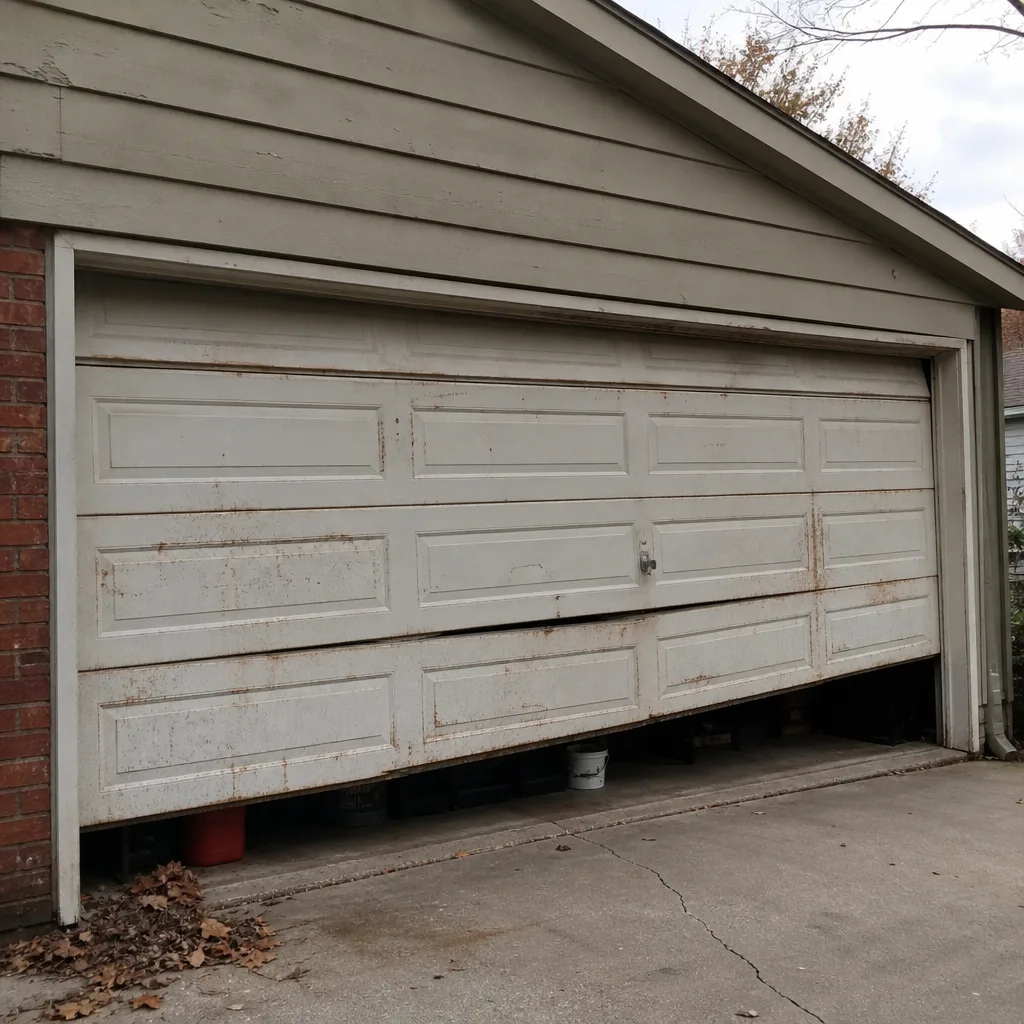 Before
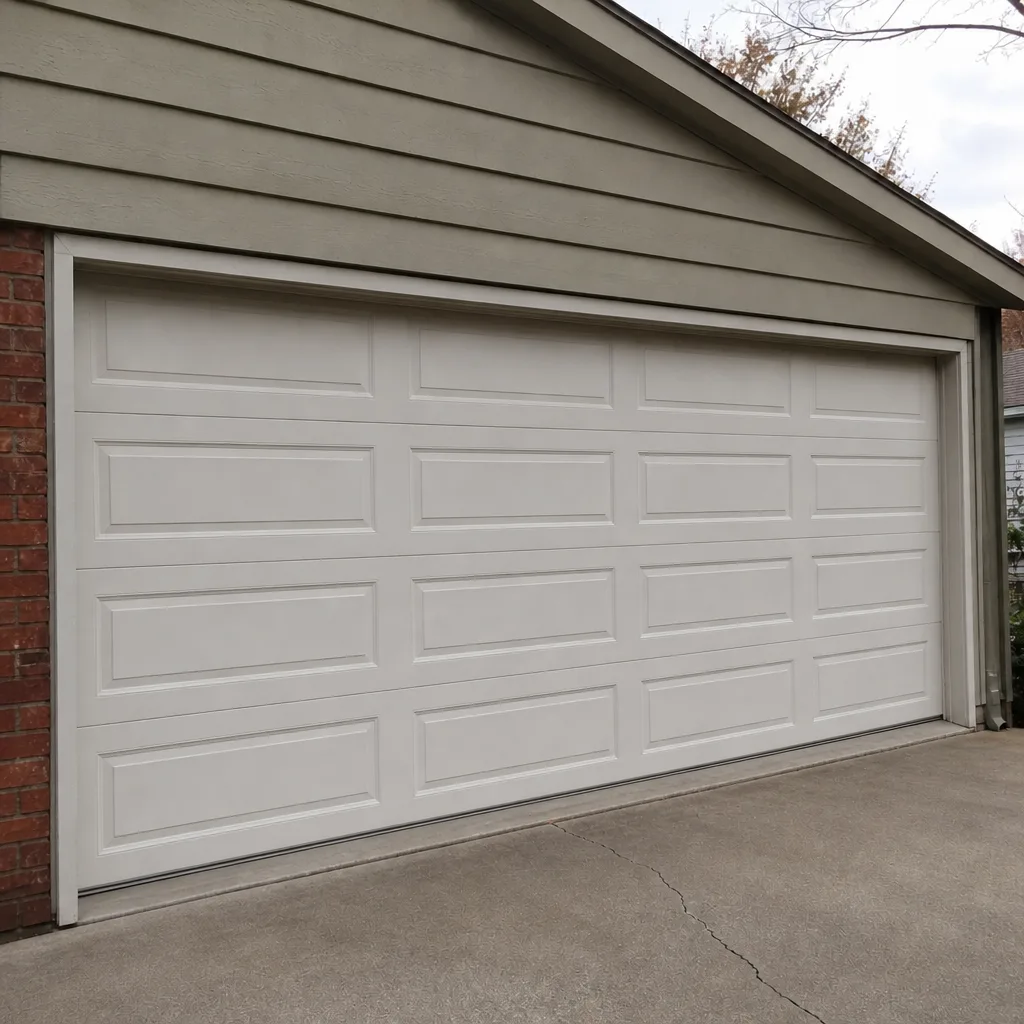 After
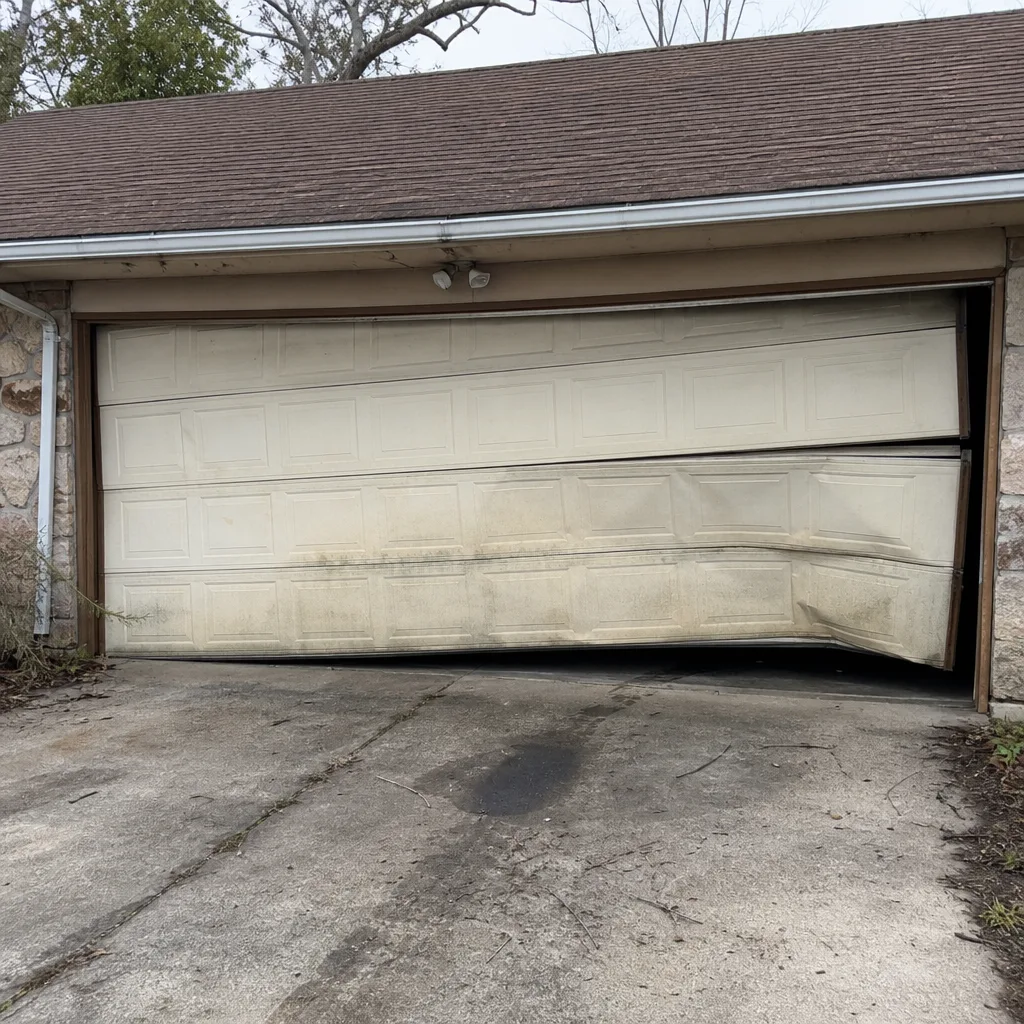 Before
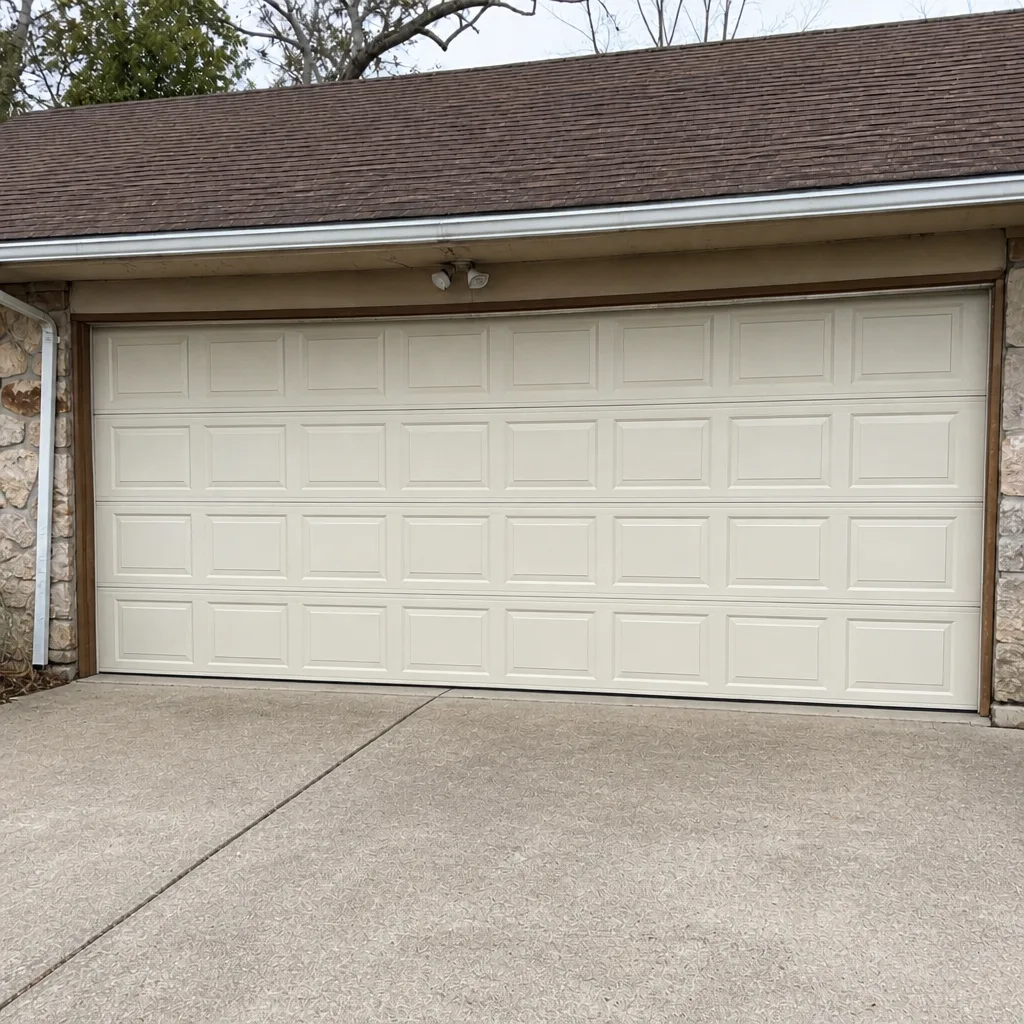 After
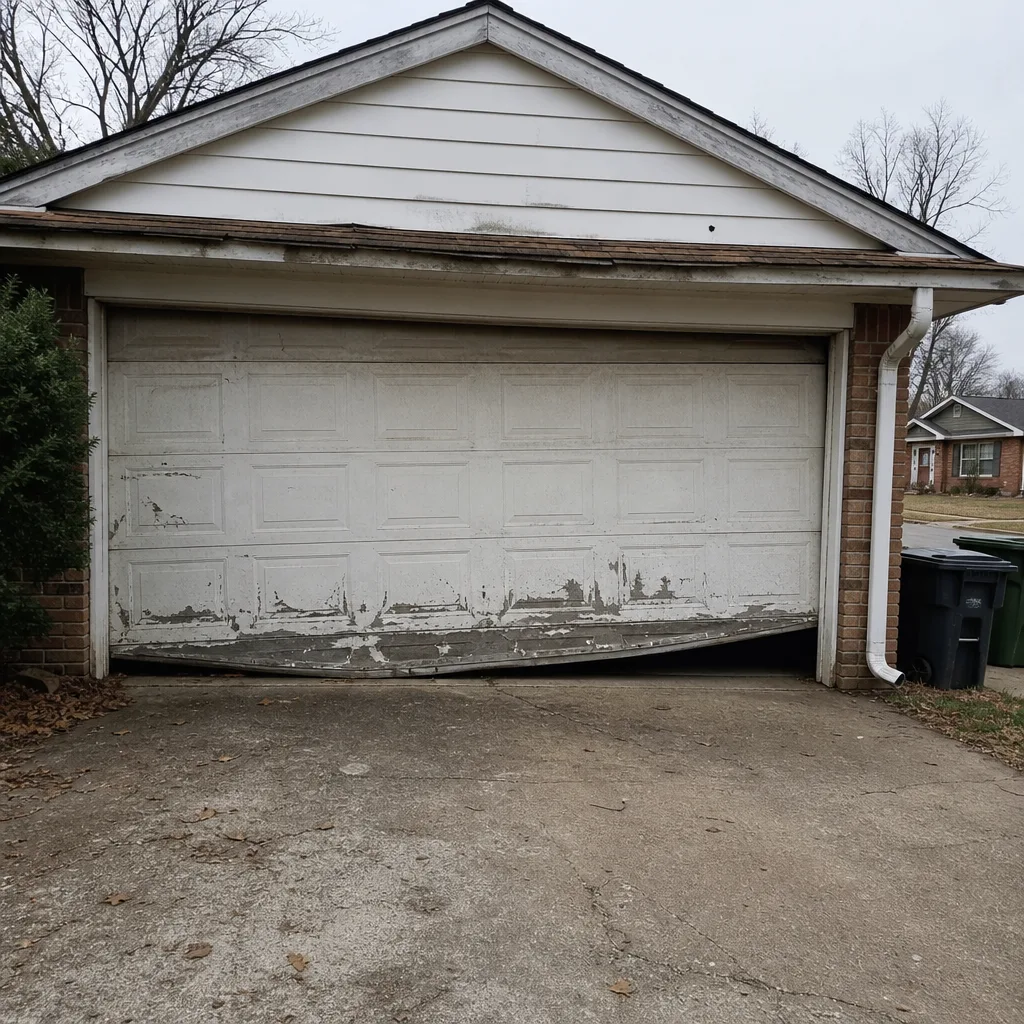 Before
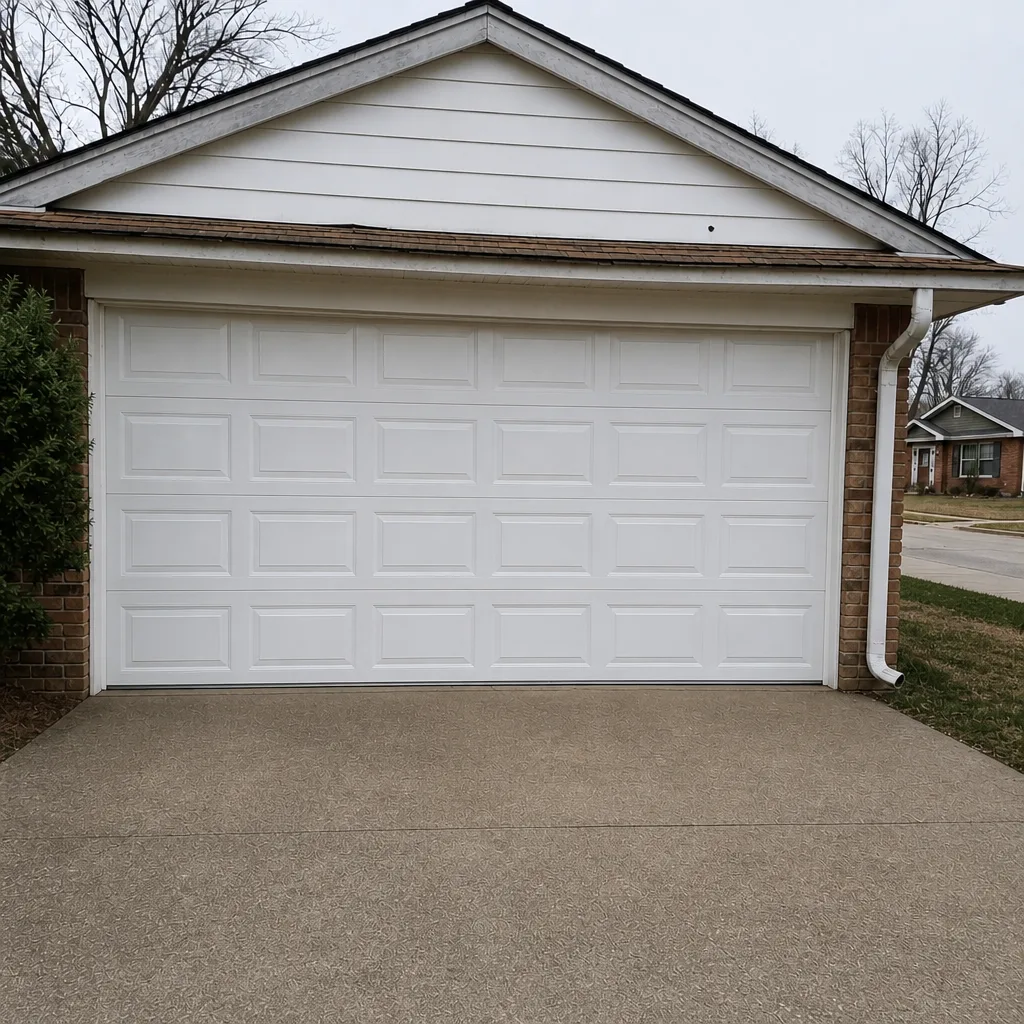 After
When to Call a Professional
Some maintenance is homeowner territory: the monthly visual check, the balance test, wiping the photo-eye lenses, and applying the right lubricant in the right places. Other situations call for a trained technician, and it’s worth knowing which is which.
- A spring is broken, visibly stretched, or showing gaps. Springs are dangerous to handle, and a failed spring can let the door drop suddenly.
- A cable is frayed, kinked, or slack on one side. Do not operate the door; call for service.
- The door is out of balance and drifting on its own after the emergency release is disconnected.
- The safety reverse fails the monthly test.
- The opener makes a new noise, reverses unexpectedly, or stops partway through travel.
- The door has been hit or has a bent track or panel that’s causing it to bind.
Our technicians have up to 12 years of experience with doors and openers from all eight major lines, and we can tell you plainly what needs fixing and what can wait. Bedrock Garage Door Repair offers free estimates in Tulsa. Call (855) 962-5268. We answer 24/7. Fast dispatch from 7am to 7pm, Sunday through Friday.
Frequently Asked Questions
Once a year for most homes, with a twice-a-year inspection in late fall and late spring. The reason is Oklahoma’s climate: cold snaps stress springs and cables, and summer heat dries out rubber seals and shifts track alignment. A door that’s used heavily, eight or more cycles a day, should be serviced every six to nine months. If something sounds or looks off between visits, don’t wait for the calendar; call for a look.
No. WD-40 is a solvent and penetrating oil, not a lubricant for garage door springs. It strips the protective film and leaves the metal drier, and in summer heat it attracts dust that turns into grit. Use a dedicated garage door spring lubricant, and keep WD-40 for loosening rusted bolts elsewhere. If you’re not sure a product is right for your door, ask before you spray.
Four things: spring and cable condition, balance, weather seals, and lubrication. Have a professional inspect the springs and cables before the first freeze, because cold is when a weakening spring tends to break. Test the door’s balance with the opener disconnected, and replace any stiff or cracked bottom seal. Lubricate hinges and rollers with a cold-rated product so the opener isn’t fighting thickened grease on a cold morning.
A visible gap between coils, a stretched section on an extension spring, rust along the coil, or a door that’s become harder to lift by hand all point to a spring near the end of its life. A failed balance test can also mean the springs are out of adjustment. Never adjust or replace a spring yourself; a garage door spring is under extreme tension and can cause serious injury. Have a technician check it and replace it if needed.
Yes. A new door from Clopay or Amarr needs the same monthly visual check and twice-a-year inspection as an older one. The parts wear on the same cycles, and the climate in Tulsa puts the same stress on the springs and seals. The advantage of a new door is that you’re starting from a known baseline, which makes a maintenance log more useful from day one.
You can handle the monthly visual walk-around, the balance test, cleaning the photo-eye lenses, and applying the right lubricant. A technician handles anything involving spring tension, cable adjustment, track realignment, and opener diagnostics, because those parts are either dangerous to work on or require tools and settings most homeowners don’t have. Our garage door opener repair service and our garage door repair service cover the work you shouldn’t do yourself.
The Bottom Line
The right maintenance schedule for a garage door is built around two things: how often you use the door, and what the season is doing to it. A monthly visual check, a fall and spring inspection timed to Oklahoma’s freeze and heat cycles, and one professional service a year covers most homes. Heavy use means tightening the calendar. The right lubricant for each part matters more than how often you apply it. Keep a simple log, watch the balance test and the spring indicators, and you’ll catch wear while it’s still a scheduled repair rather than a surprise. If the door needs a look from a professional, our team at Bedrock Garage Door Repair is here to help, serving homeowners across Tulsa and nearby.
Call (855) 962-5268 for a free estimate. We answer 24/7, and we dispatch technicians from 7am to 7pm, Sunday through Friday. Whether it’s a maintenance visit, a repair, or an opener that needs diagnosing, we’ll tell you plainly what your door needs and what it doesn’t.
Written by the team at Bedrock Garage Door Repair.