
Last updated November 14, 2026
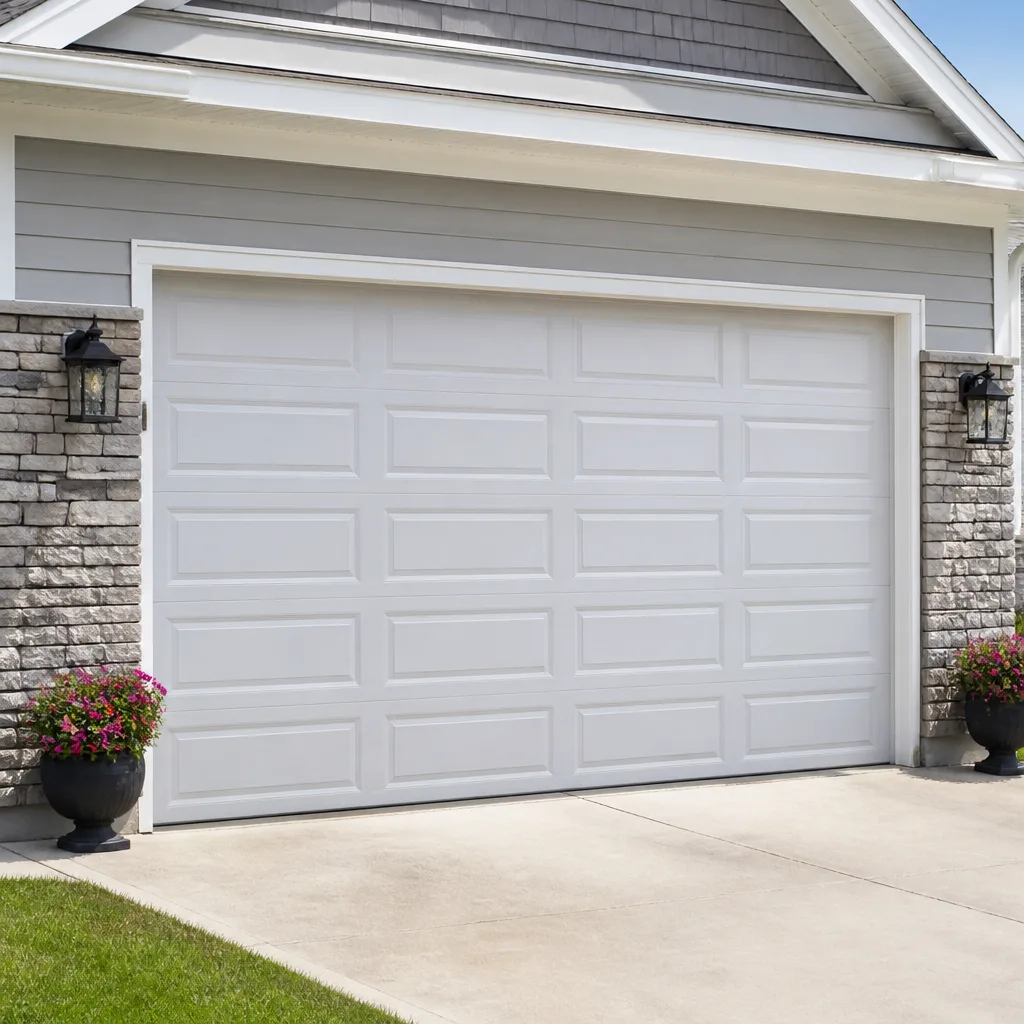 Raised-panel steel
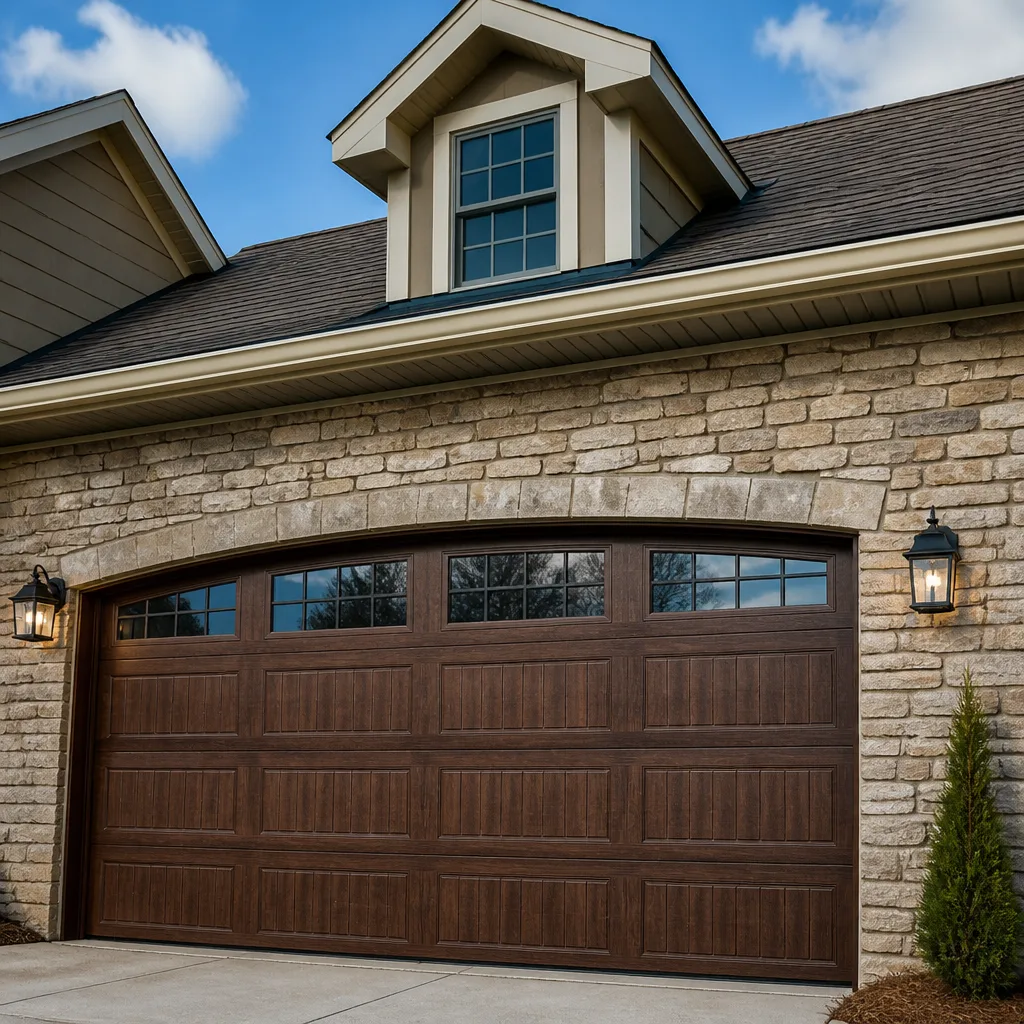
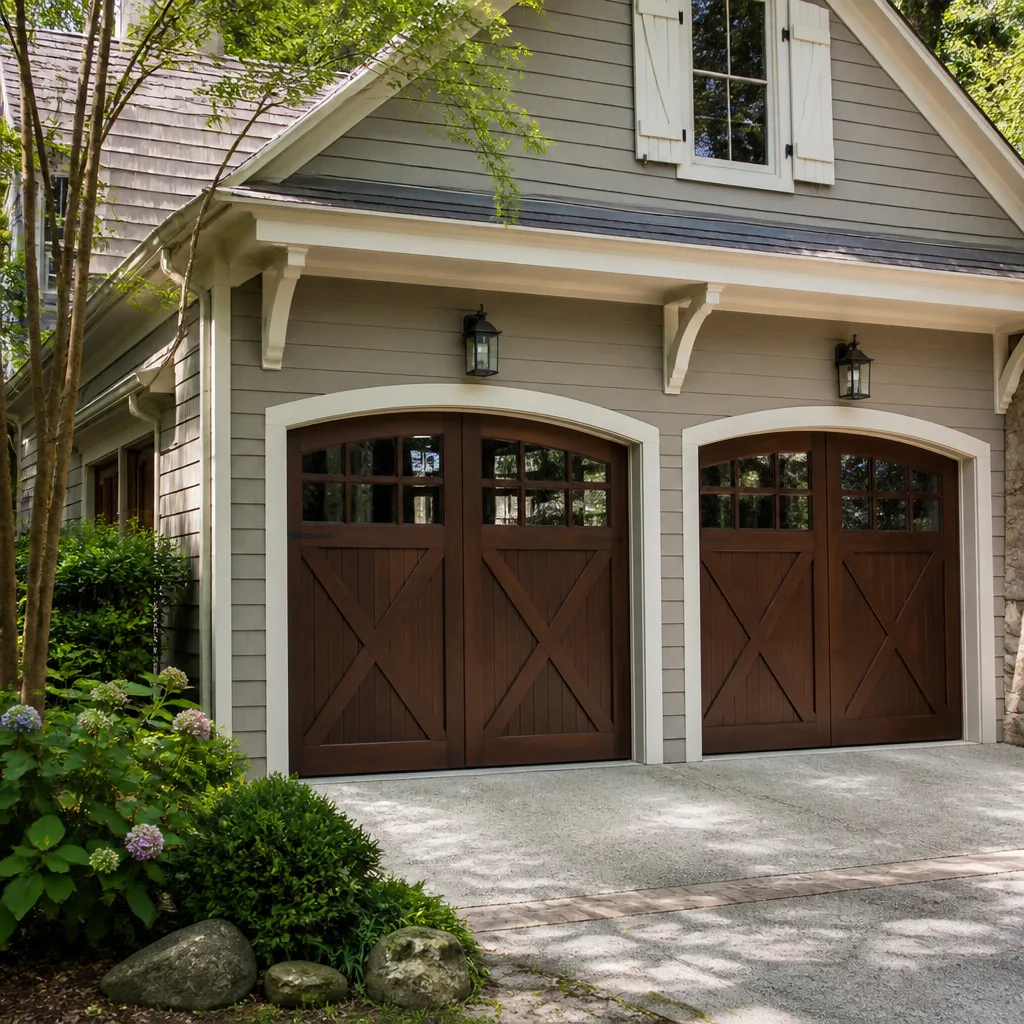 Carriage house
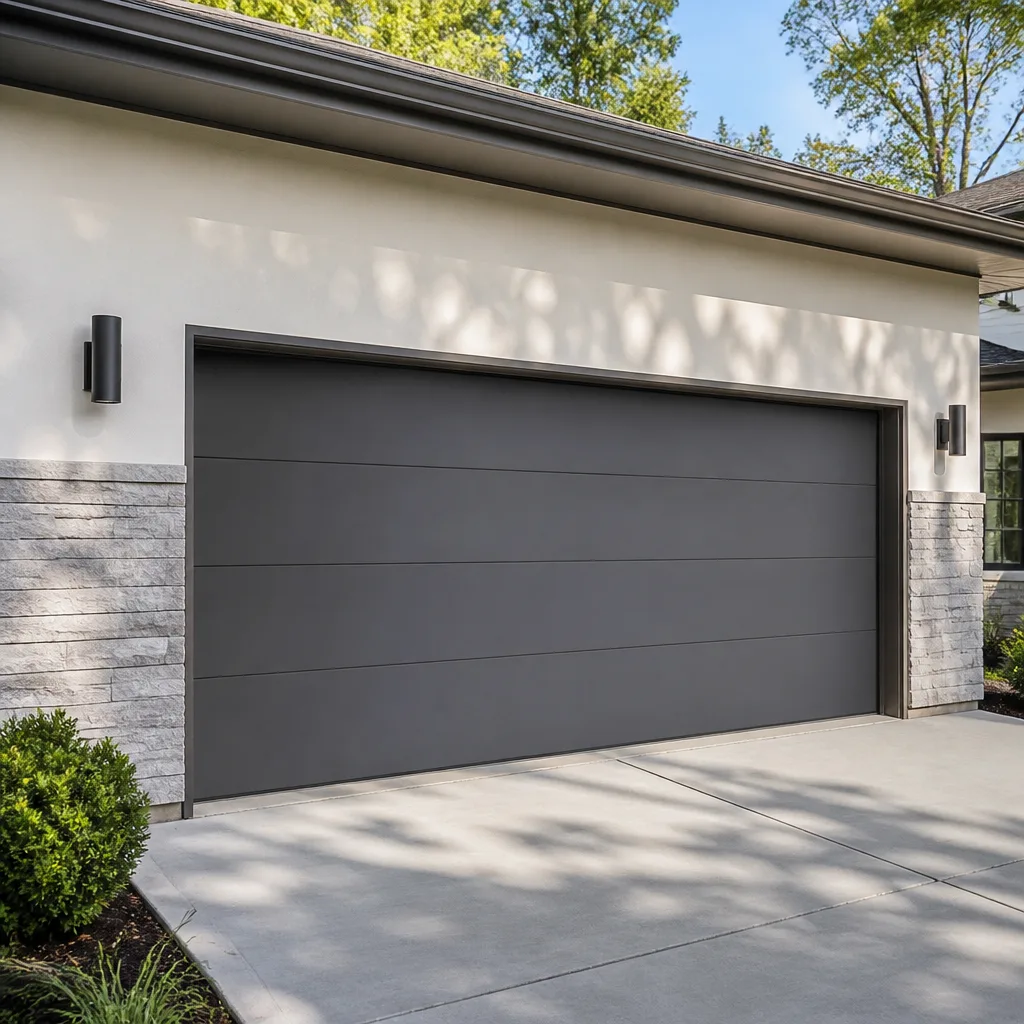 Modern flush
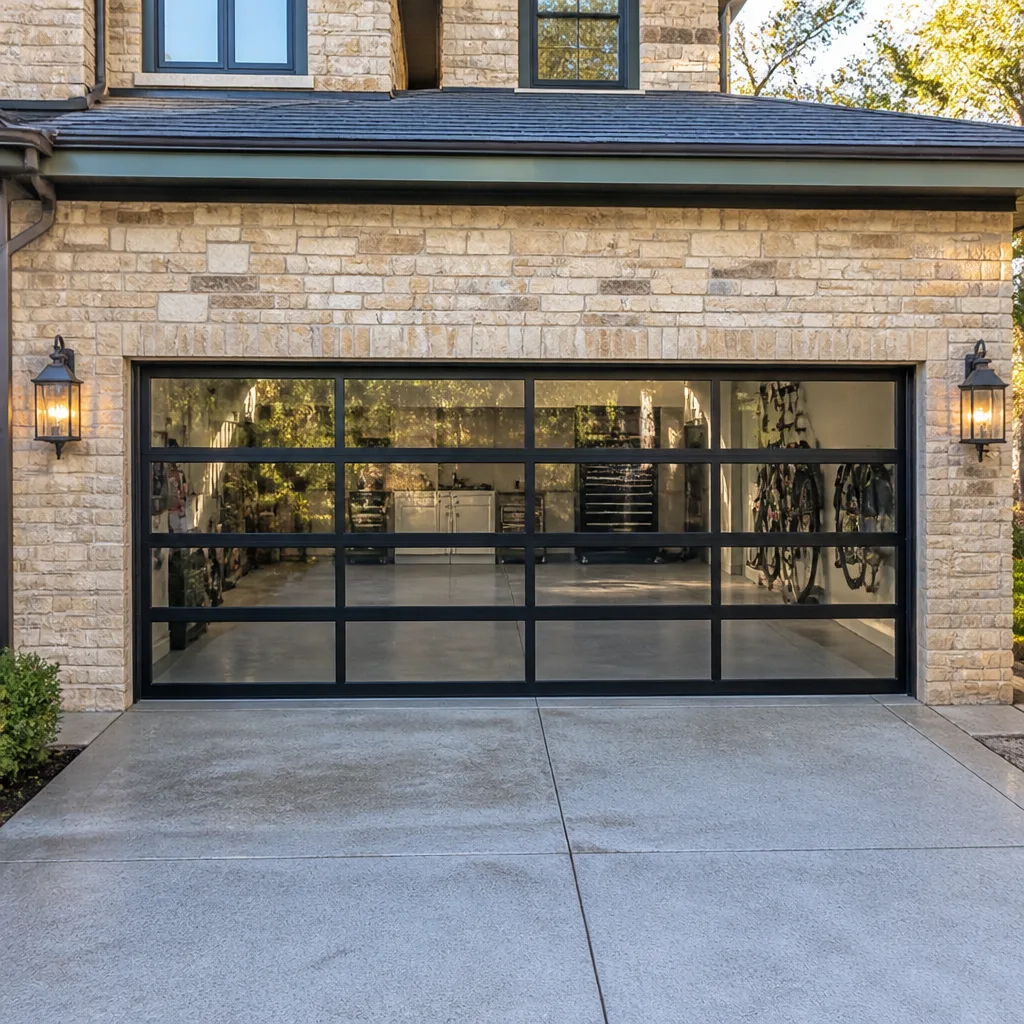 Full-view glass
 LiftMaster openers
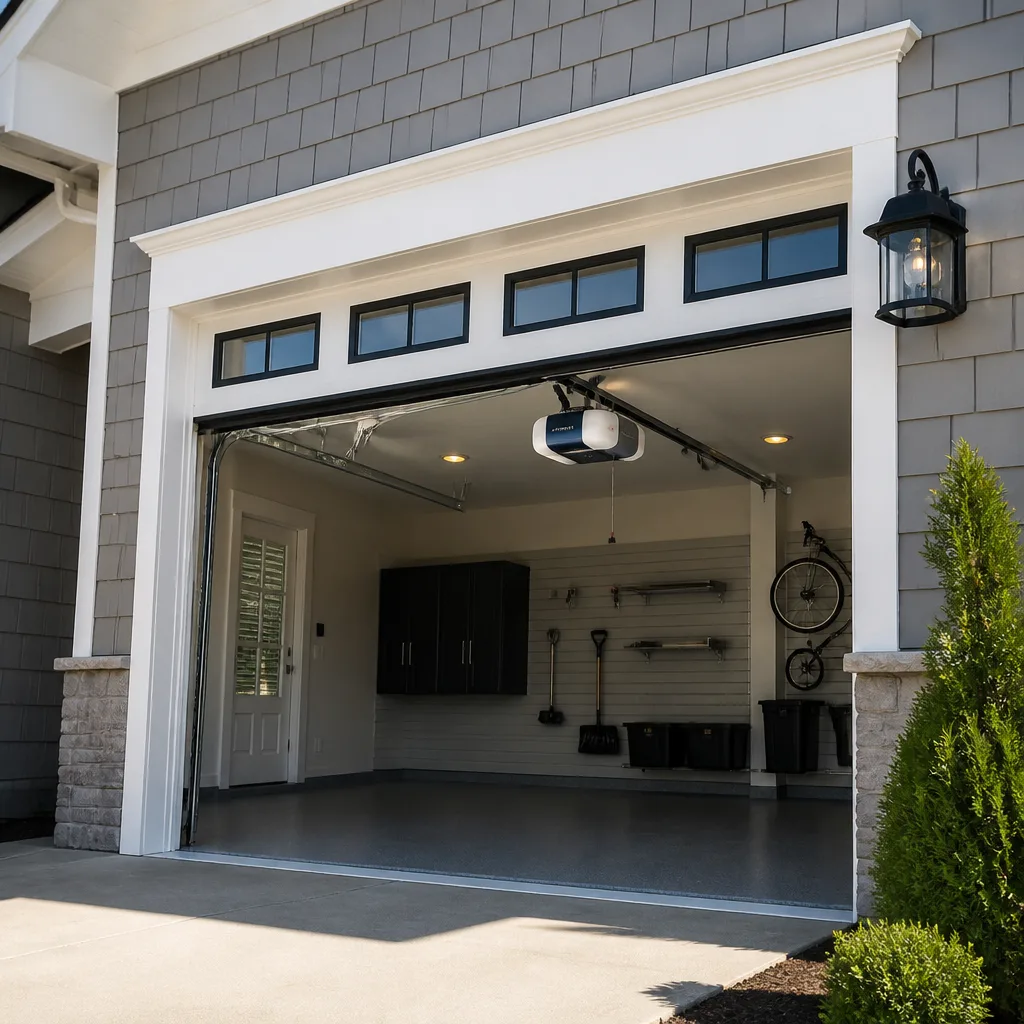 Chamberlain openers
Full 25-point door and opener safety check with every visit - springs, cables, rollers, tracks, and your LiftMaster or Chamberlain opener included
You get a price before we start. It does not change when the pro arrives.
Get your free estimateGarage Door Warning Signs: A Tulsa Homeowner’s Reference Guide
Most homeowners call us when the door stops working. By then it’s not a warning sign, it’s a failure. The signals that actually matter show up weeks or months earlier, and they’re quiet: a half-second hesitation before the door moves, a faint grind that comes and goes, a gap along one side of the frame that wasn’t there last spring. A door that pauses before it lifts is showing you the cheapest moment to fix it. A door that finally quits is showing you the most expensive one. This guide covers the early signals we see Tulsa homeowners miss, and what each one points to.
Quick Answer
The warning signs that matter most in Tulsa are subtle: a door that hesitates before moving, uneven travel from one side to the other, a grinding or popping sound that comes and goes, a gap at the weatherstripping, and an opener that reverses or clicks without a clear obstruction. Each points to a specific component (spring, cable, roller, opener gear, or frame) and each gets cheaper to fix the earlier it’s caught. A door that works but moves unevenly is the most underdiagnosed problem we see, and it almost always traces to torsion spring balance.
Styles & brands we work with
- Raised-panel steel
- Carriage house
- Modern flush
- Full-view glass
- LiftMaster openers
- Chamberlain openers
Table of Contents
- Why the Obvious Signs Are Already Too Late
- The Four Sounds and What Each One Tells You
- Why a Door That “Works Fine” but Moves Unevenly Is a Spring Problem
- Visual Alignment Tells on Tulsa Homes
- Decoding Opener Behavior: Hesitation, Reversal, Clicking
- Weatherstripping Warnings You Can’t See From Inside
- The Five-Minute Monthly Check That Catches Most of This
- When to Call a Professional
Why the Obvious Signs Are Already Too Late
A garage door that won’t open isn’t a warning. It’s a diagnosis. By the time the door refuses to move, a spring has already snapped, a cable has already frayed through, or an opener gear has already stripped. The repair is no longer optional and the price reflects it. What homeowners actually need is a way to read the door while it still works.
Garage doors fail slowly, in stages. A torsion spring loses tension gradually before it breaks, and the door tells you about it through small changes in speed and sound. A cable frays strand by strand before it lets go, and it usually announces itself with a light popping noise under load. A roller wears flat on one side and starts to rumble. None of these are emergencies on day one. All of them become emergencies if ignored through a Tulsa summer.
The reason these signals get missed is that they’re relative. The door isn’t obviously broken, so the change is easy to dismiss as “just how it sounds now.” The only reliable way to catch them is to compare what you see and hear today against what the door did a season ago. That’s what this guide is built around.
One more thing worth saying plainly: we’re not going to walk you through replacing a spring or a cable yourself. High-tension springs and the cables under them store enough energy to cause serious injury, and a torsion system under load is not a homeowner project. What you can do is recognize the signs, know which component they point to, and call before the failure. That’s the whole point of this reference.
The Four Sounds and What Each One Tells You
A garage door makes four distinct sounds when something is starting to wear, and they point to different components. Learning to separate them saves you from guessing, and it saves a technician from having to chase the wrong part.
1. A single loud pop, then the door drops or won’t lift
That’s a torsion spring letting go. There’s no mistaking it. The mechanism has already failed and the door is no longer safe to operate. Call before touching anything, because a door with a broken spring can come down fast.
2. A light popping or ticking under load, heard a few times a cycle
This is usually cable fraying, not the spring. A cable that’s lost strands makes a soft popping as the broken ends catch against the drum. It’s easy to confuse with spring noise, which is why so many homeowners call for a spring and find out it’s a cable. Both are safety-critical, and neither is something to leave running.
3. A grinding or rumbling that rises and falls with door speed
That’s roller wear, most often. A flat-spotted steel roller rumbles in a rhythm that matches travel. Same rumble can come from dry or worn hinges. The good news is this is the least urgent of the four, and catching it early keeps it from wearing the track.
4. A scrape that runs the length of travel on one side
Usually the door panel contacting the track or jamb because the door is out of square. In Tulsa we see this tied to frame movement more than to the door itself, which the alignment section covers below.
If you can describe the sound, the timing in the cycle, and what part of the door it seems to come from, you’ve already given a technician enough to narrow the diagnosis before anyone knocks on your door. Our technicians have up to 12 years of experience reading exactly this kind of information, and it’s what lets us diagnose your door correctly the first time rather than replacing parts until the noise stops.
Why a Door That “Works Fine” but Moves Unevenly Is a Spring Problem
This is the one we see most in Tulsa, and the one homeowners dismiss most often. The door opens and closes. It’s just a little tilted, or one side hits the floor a beat before the other. Sometimes it’s fast going up and slow coming down. It gets described as “a little crooked” or “maybe it’s always been like that.” It usually hasn’t.
A torsion system has two springs, and when the door is balanced correctly they share the load evenly. If one spring has lost tension, the door lifts and lowers unevenly. It doesn’t feel broken because it isn’t yet. The remaining spring is now doing more work than it was designed to carry, and the whole system wears faster as a result. This is the classic pattern: a small imbalance today, an overworked spring failure in a few months.
A torsion spring imbalance usually shows up in these ways:
- One side of the door visibly lower than the other when fully closed
- Uneven gaps along the bottom weatherstripping from side to side
- The door is noticeably faster going up than coming down, or the reverse
- A slight rotational pull to one side as the door lifts off the floor
- Drum or cable positions that don’t mirror each other left and right
None of it requires the door to fail. That’s the trap. If you see one of these, it’s worth a look now rather than after one spring gives out. A matched pair of springs is usually replaced together once balance is lost, so the earlier it’s caught, the more of the door’s working life you get out of it.
Visual Alignment Tells on Tulsa Homes
Tulsa sits on expansive clay soils, and those soils swell with wet weather and shrink in dry spells. That movement is a normal part of living here, and it doesn’t wreck foundations on its own. But it does push and pull on attached structures, and a garage door is one of the first places you notice it. A door frame that’s drifting slightly out of square is easy to read if you know where to look.
What to check, from outside, with the door closed:
- Stand back about ten feet and look for even vertical gaps between the door panel edges and the jamb on both sides.
- Check the horizontal gap under the bottom seal, left edge to right edge. It should be consistent.
- Look straight down the outside face of the door to see if one panel sits proud of the others or leans.
- Look at the tracks where they meet the ceiling: tracks that have shifted or pulled from the support brackets are a frame sign, not a door sign.
- Run the door up and watch for the panels scraping on one side, which usually indicates the track was pushed out of alignment by frame movement rather than a damaged door.
If the gap is inconsistent between seasons, that alone tells you the frame is moving. The fix is usually re-squaring and re-tensioning the track and hardware, not replacing the door. Left alone, a door that’s scraping the track wears the panel edges and eventually the rollers and hinges, and that’s when the repair bill climbs. A loose or misaligned track is also something a technician should adjust: track geometry is what keeps the door on the floor and in the opening when it comes back down.
If you’re seeing signs of frame drift alongside a door that’s off balance, our team can look at both in the same visit. You can reach us for garage door repair and book a free estimate to have the door inspected.
Decoding Opener Behavior: Hesitation, Reversal, Clicking
The opener is the part of the system most homeowners think they can’t diagnose, but its behavior pattern is one of the clearest signals on the whole door. Hesitation, a sudden reversal, and clicking each point to a different component. The trick is reading the pattern instead of the symptom.
Hesitation before the door moves. That half-second pause is often a worn drive gear inside the opener, or a capacitor that’s losing its charge. A LiftMaster or Craftsman unit that used to respond instantly and now takes a beat is telling you a component inside is near the end of its working life. It’s not a setting and it’s not the remote. If you catch it here, replacing the worn part is straightforward. If you wait, one day it just stops responding.
Reversal on the way down. If the door reverses itself with no obstruction visible, the safety sensors are the first place a technician looks: dirty lenses, misalignment, or a spider web breaking the beam. If the sensors check out, the opener’s logic board or force limit is the next suspect. This is one of the most common calls we get on opener systems. We cover the full garage door opener repair side of the trade separately because it’s genuinely its own discipline, and it isn’t something to leave unresolved.
Clicking without movement. A rhythmic click with no door travel usually means the opener is trying to engage and the drive gear is stripped. Genie and Chamberlain units both show this pattern when a gear goes. It’s an opener-side failure rather than a door-side one, and it’s why a brand-aware diagnosis matters; opening the unit and knowing which part is likely to be the culprit is quicker when the technician works on that line regularly.
See the difference
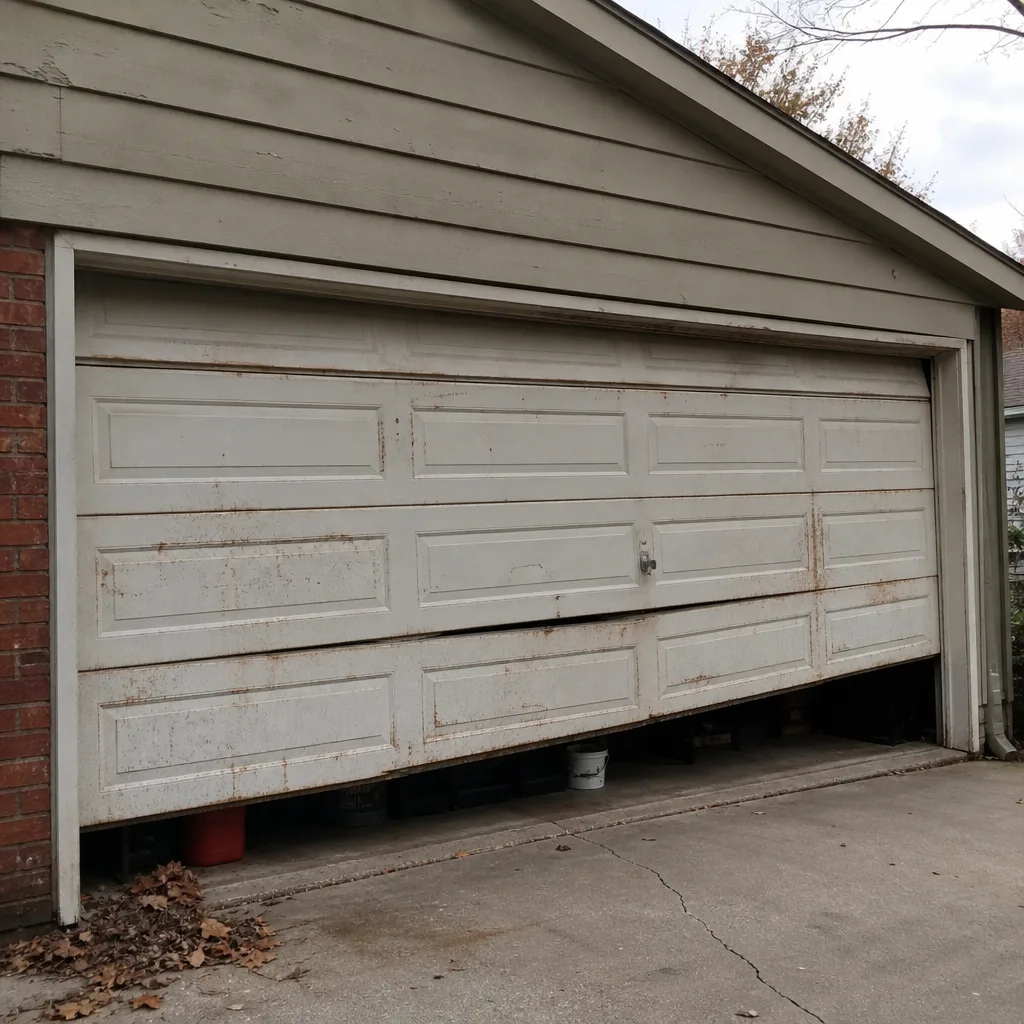 Before
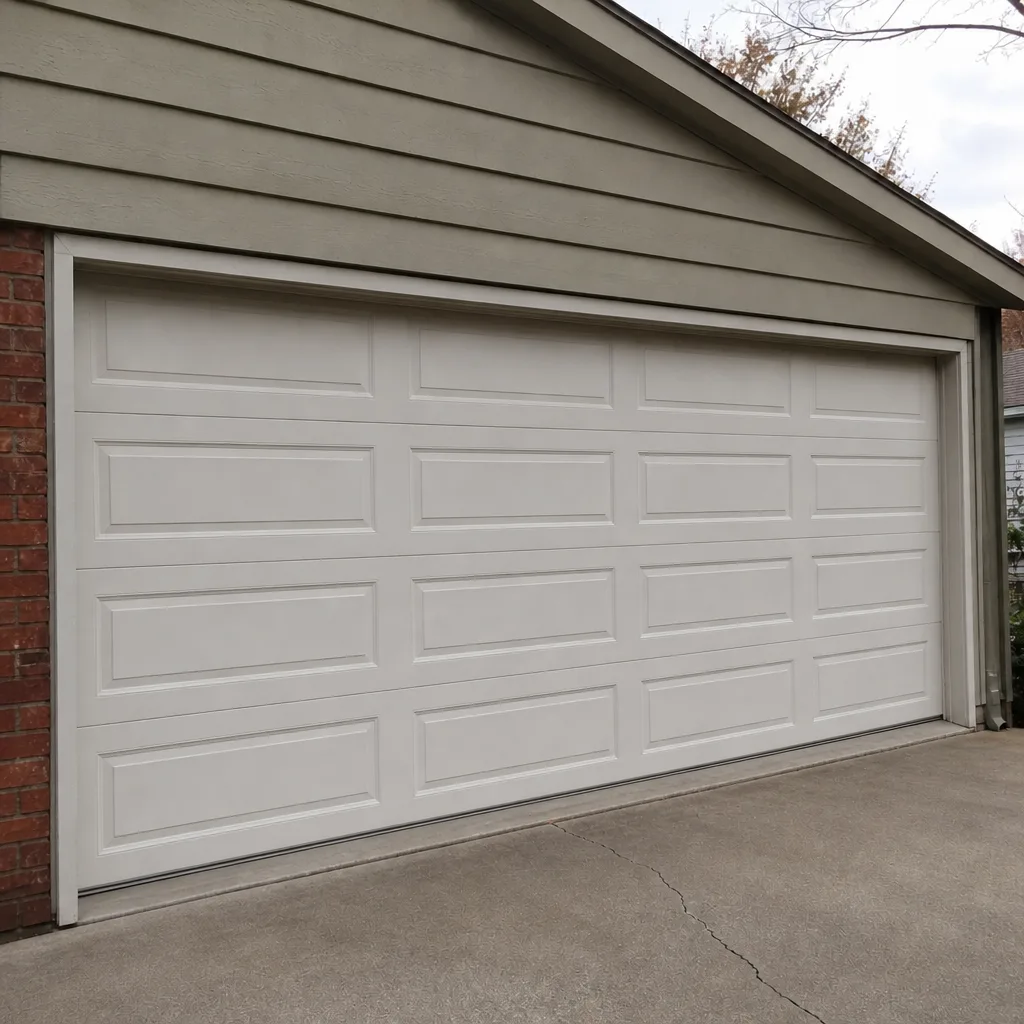 After
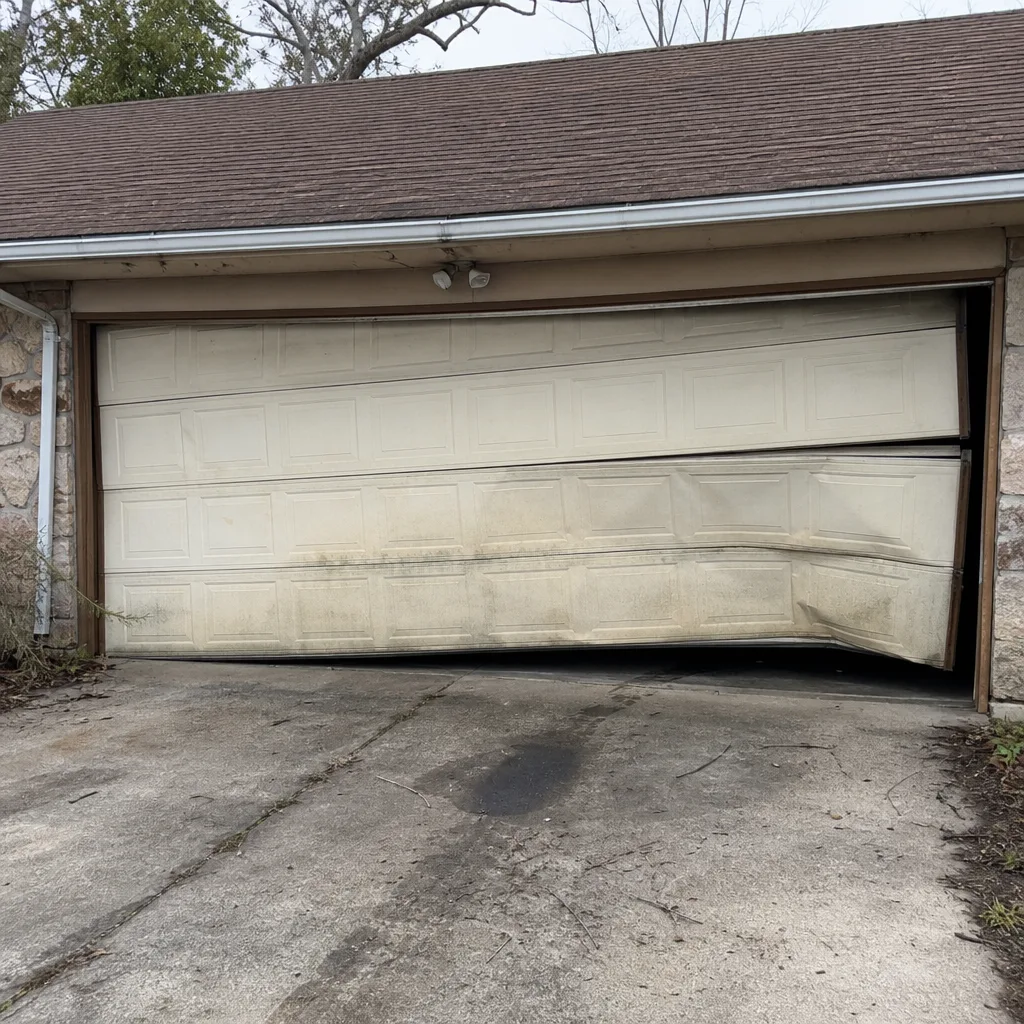 Before
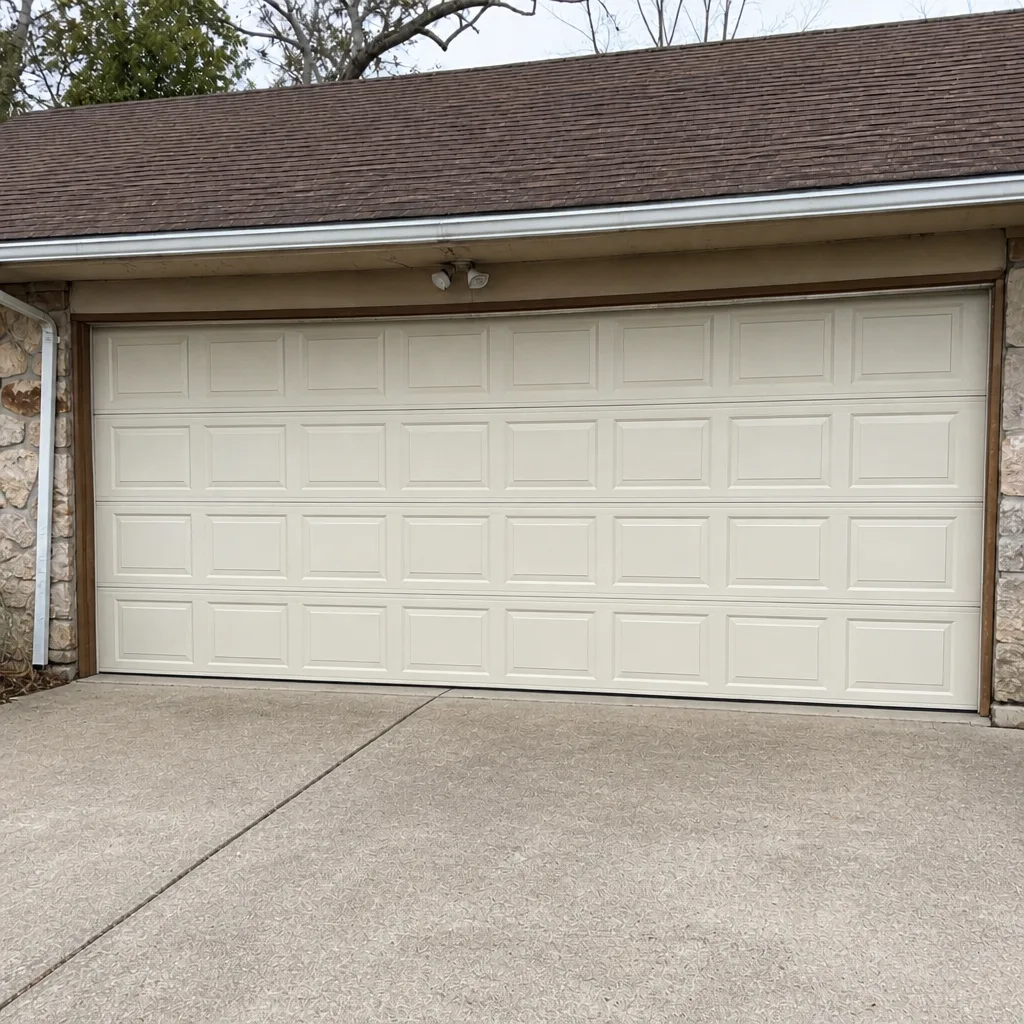 After
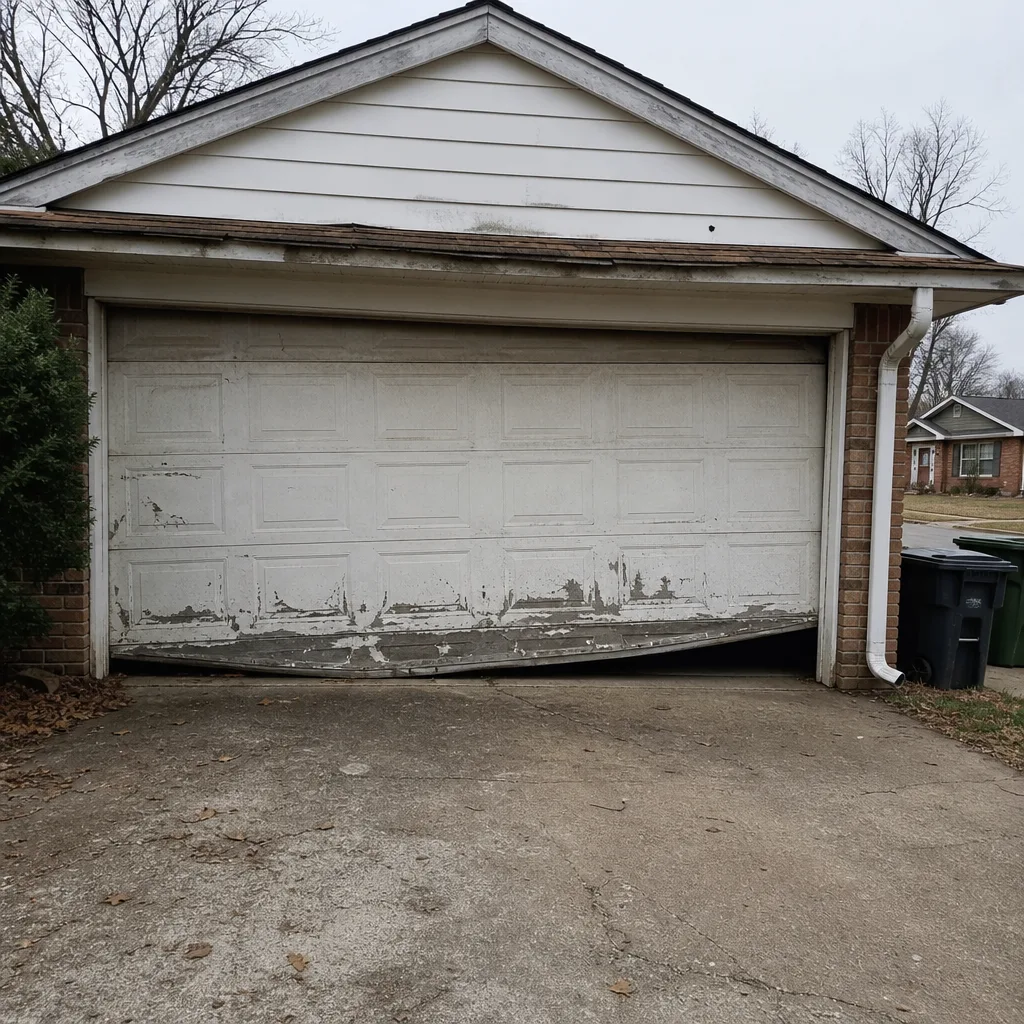 Before
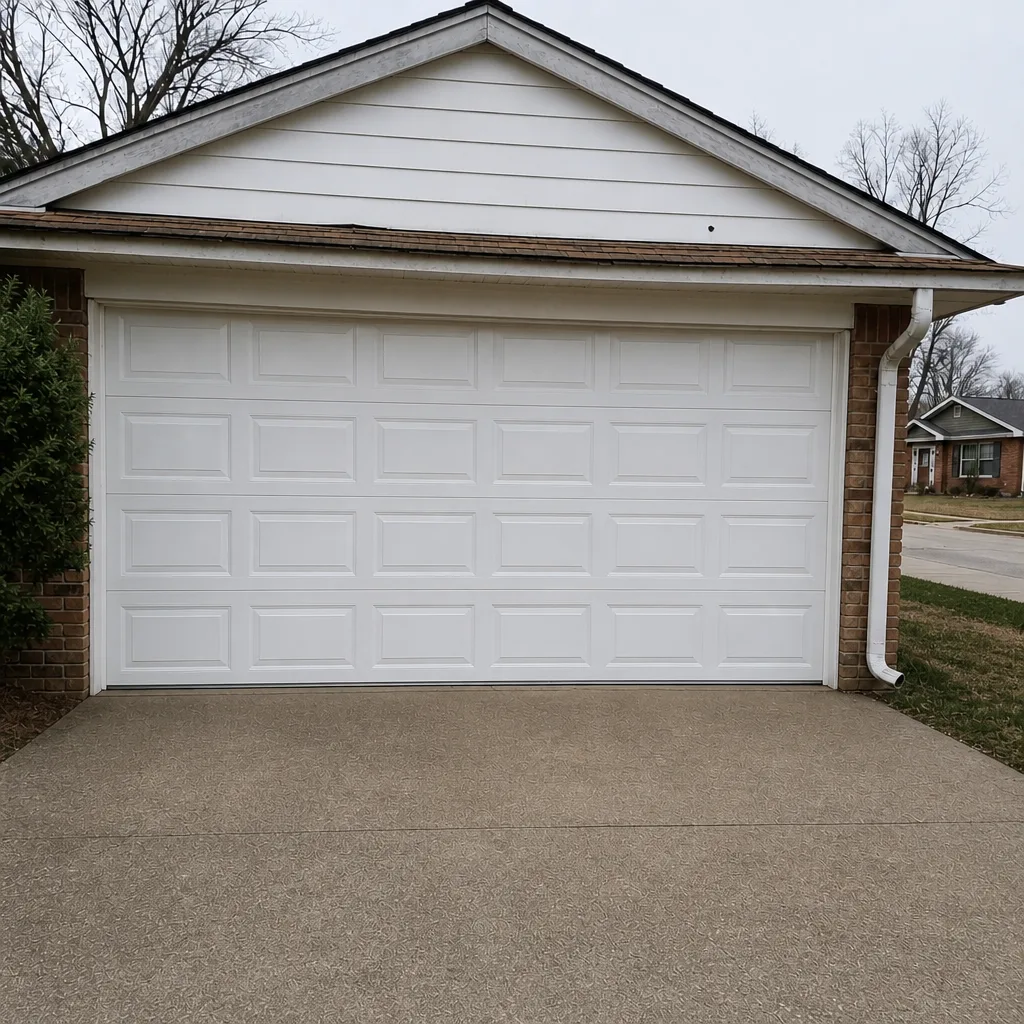 After
One thing to check yourself, safely: look for a visible obstruction in the sensor beam and wipe the lenses. That’s the one opener check that doesn’t require getting inside the unit. Everything else about the opener’s internal components belongs with a professional.
Weatherstripping Warnings You Can’t See From Inside
Weatherstripping is the most underrated early-warning system on the door. It’s also the cheapest thing on the list to fix, and the one with the most secondary consequences if ignored. The seals on the sides, the top, and along the floor keep out water, insects, and small pests, and they hold back the summer heat that Oklahoma is known for. The warning signs are visible, but only if you look from the right place.
The key point is that most of them can’t be seen from inside the garage. From inside, the seal is compressed against the jamb and looks fine. From outside, it tells the truth. What to look for:
- Light coming through under the door on a bright day. The floor seal should lie flat along its whole length. Any light you see from outside means air is getting in.
- A slightly crushed or flattened floor seal. Oklahoma summer heat softens the rubber and Oklahoma winters stiffen it. Over time the seal flattens and loses contact.
- Cracks or firm spots in the side seals. Rubber that’s gone hard doesn’t seal. Feel along the jamb.
- Water marks on the concrete just inside the door after rain. That’s water getting past the floor seal, and in Tulsa’s storm season it will keep happening.
- Fine debris or small pest entry around the corners. Gaps on either side of the floor seal at the outer edges are a common entry point.
A failed seal is a signal that also affects your heating and cooling, because the garage becomes a leak point at the boundary of the house. It’s not a dramatic repair. But it’s worth dealing with before it drives pest activity or water intrusion, and it’s the cheapest of everything in this guide to fix at the first sign. Replacing perimeter seals across a door is a straightforward job, and a good technician will also check whether an uneven seal is actually a sign of the door not sitting level, which loops back to the spring section above.
The Five-Minute Monthly Check That Catches Most of This
Most of what’s in this guide can be caught in a five-minute walkaround once a month. It’s not a maintenance plan, and it’s not a substitute for a professional inspection. It’s a habit that gives you a baseline to compare against.
- Open and close the door once and listen. Note any new sound and where in the cycle it happens. Compare it to last month.
- Watch the door travel from outside. Look for unevenness side to side as it goes up and comes down.
- Check the gap under the door from the driveway. Push the floor seal down lightly with your hand and look for light through it.
- Look down the track lines on both sides. Check that the tracks are straight and secure against the brackets.
- Press the opener button and time the response. If there’s a new pause before the door starts to move, make a note.
- Wipe the safety sensor lenses with a dry cloth. Do not touch the springs or cables; those are not part of the homeowner check.
The point is comparison, not perfection. A door that’s been doing the same thing for months is probably fine. A door that started doing something new last week is worth a call. That’s the pattern that separates a small repair from a large one, and it’s what “the right fix, not the fastest one” means in practice.
Common Mistakes to Avoid
- Waiting for the door to stop working before calling. A hesitation or an uneven lift is a much cheaper moment to fix than a snapped spring. The door working today is not proof it’s fine.
- Assuming a squeak is just a squeak. Some sounds are harmless friction and some are cable strand failure. The difference between a squeak and a soft popping is worth having a technician check.
- Replacing the opener when the door is the problem. If the door is out of balance, a new opener will struggle and wear out faster. Diagnosis first, replacement after.
- Greasing everything on the door. Rollers, springs, and tracks want different attention, and greasing the wrong surface can attract grit that wears the parts faster. Leave it to someone who knows the system.
- Chalking up a crooked door to “it’s always been like that.” On a Tulsa home sitting on clay soil, a door that’s drifted out of square is a sign worth checking, and sometimes the frame is telling you something.
- Ignoring weatherstripping because “it’s just a seal.” On a Tulsa door, that seal is doing more work than it gets credit for: pest exclusion, water deflection, and comfort. It’s the cheapest repair on the list.
- Trying to adjust or replace a torsion spring yourself. These springs are under high tension and the system can cause serious injury. This is not a DIY repair, no matter what a video says.
When to Call a Professional
Call when you hear any new sound under load, when the door moves unevenly, or when the opener hesitates before responding. Call if you see light under the floor seal, if a track has pulled loose, or if the door has been scraping on one side. Call immediately if you hear a loud pop and the door drops or won’t lift; that’s a failed spring and the door isn’t safe to operate. Each of these gets more expensive the longer it sits, and a free estimate now is one of the cheapest ways to prevent a breakdown later. Our technicians have up to 12 years of experience across the door and the opener, so if you’re not sure which component is causing the noise, that’s the right call to make.
Bedrock Garage Door Repair offers free estimates in Tulsa. Call (855) 962-5268. We answer 24/7. Fast dispatch from 7am to 7pm, Sunday through Friday.
Frequently Asked Questions
A hesitation before the door starts to move, or an uneven lift from side to side, is usually the first sign. Both mean a component is losing performance before the door actually fails. If you catch it at that stage, the repair is usually smaller than it would be later.
A failing spring usually causes a single loud pop or a slow loss of tension, while a fraying cable makes a lighter popping or ticking sound under load, a few times per cycle. A grinding rumble is usually roller wear. If the sound changes day to day or gets louder over a week, it’s worth having it looked at. Call (855) 962-5268 for an exact quote; estimates are free.
An uneven door that still operates almost always points to a torsion spring imbalance, usually one spring that’s lost tension. The remaining spring carries more of the load, so the door will continue working for a while but will wear faster. That’s the stage where calling a professional saves you a bigger repair down the line.
Yes to both. Look under the closed door from outside for any light coming through the floor seal, and wipe the sensor lenses with a dry cloth. That’s the full extent of the homeowner check on those two parts. Anything inside the opener unit or under load should be left to a technician.
Tulsa’s clay soil expands and shrinks with moisture, which can shift a door frame slightly and push tracks and seals out of alignment over time. Heat and humidity also wear weatherstripping faster. A door that looks slightly off-square here is usually responding to the soil, not to damage in the door itself. That’s worth checking before you assume it needs replacing.
Same-day repair is often possible depending on what’s wrong and the schedule. Call and we’ll tell you what’s available. We answer 24/7. A call outside dispatch hours is booked into the next opening, Sunday through Friday, 7am to 7pm.
The Bottom Line
The warning signs that save Tulsa homeowners money are the quiet ones. A hesitation before the door moves, a door that lifts unevenly, a soft popping under load, a light line under the floor seal. These are all fixable at a small scale, and each gets more expensive if left. Watch the door, learn the sounds, and compare what the door does this month to what it did last. If something has changed, get it in front of a technician. From opener to panel, we work on your brand, and the right call at the warning-sign stage beats the one you make after the door stops.
Contact: For a free estimate on any of the warning signs in this guide, call Bedrock Garage Door Repair at (855) 962-5268. We answer 24/7. Fast dispatch from 7am to 7pm, Sunday through Friday. We work on LiftMaster, Chamberlain, Genie, Clopay, Amarr, Wayne Dalton, Craftsman, and Raynor, so your door gets diagnosed correctly the first time. You can also visit our Tulsa page to see how we work.
Need help across the full door system, from opener to panel? Start with Bedrock Garage Door Repair, and we’ll get you scheduled.
Written by the team at Bedrock Garage Door Repair.