
Last updated November 14, 2026
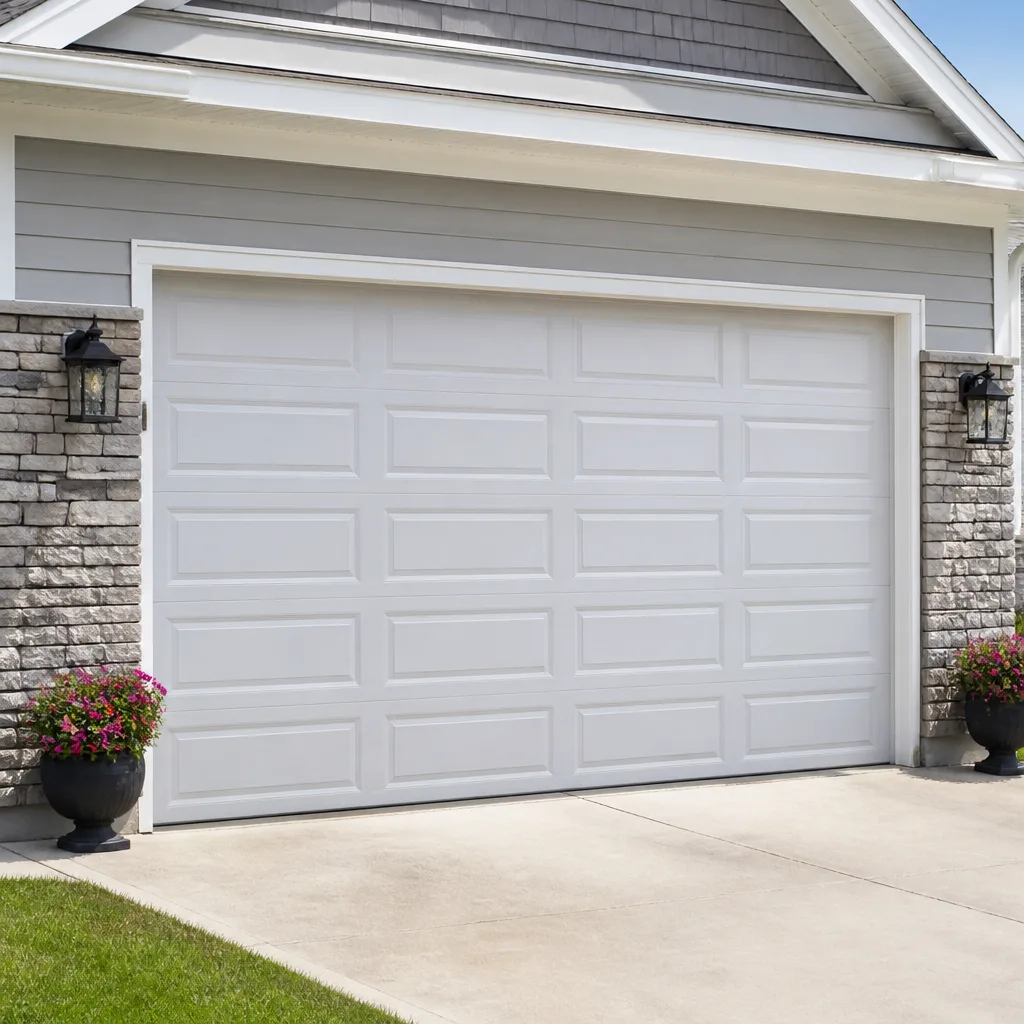 Raised-panel steel
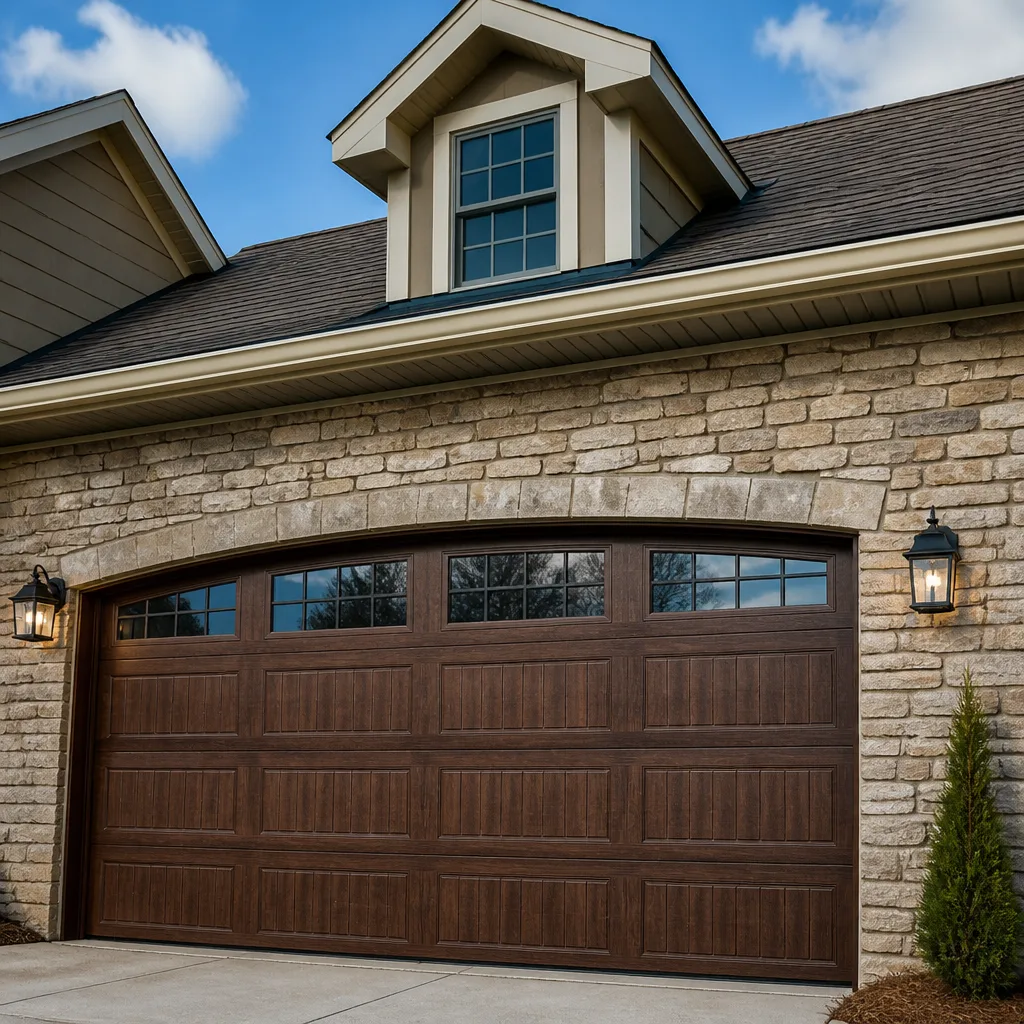
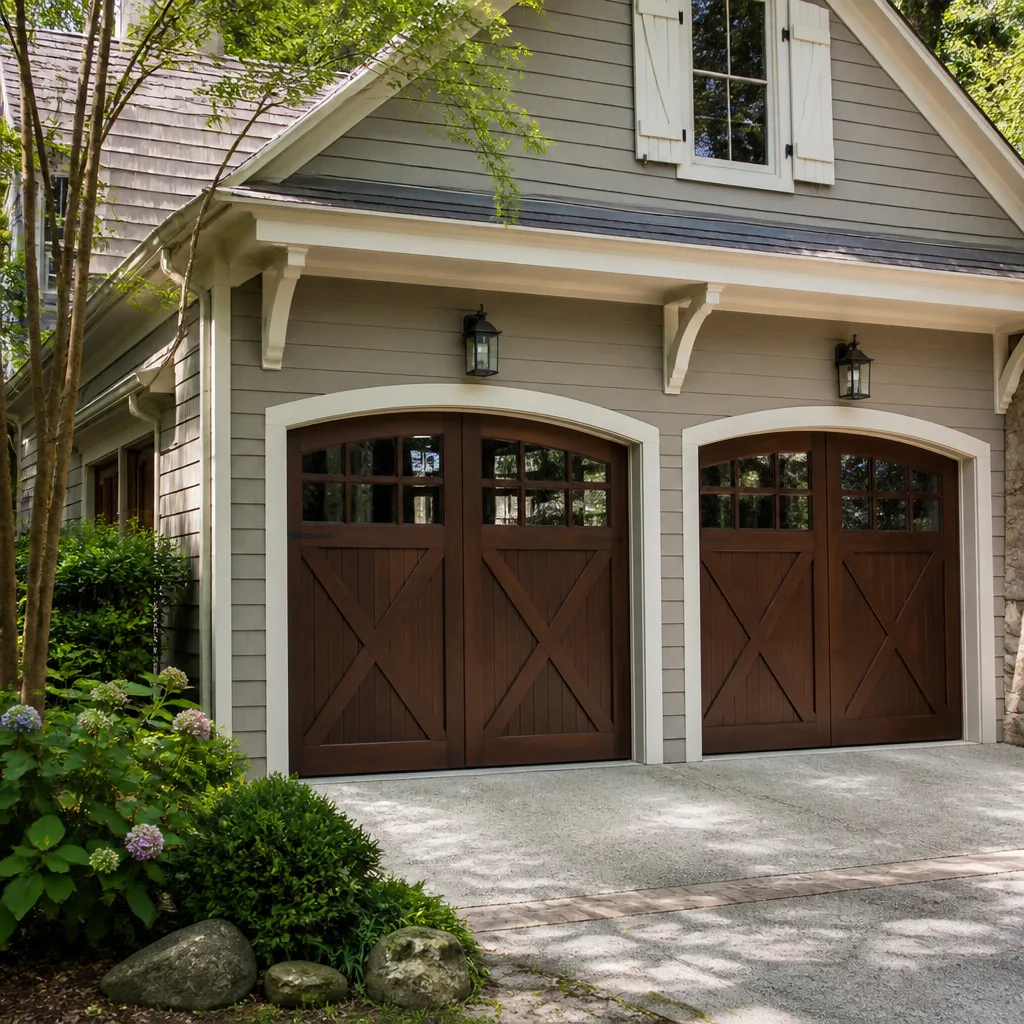 Carriage house
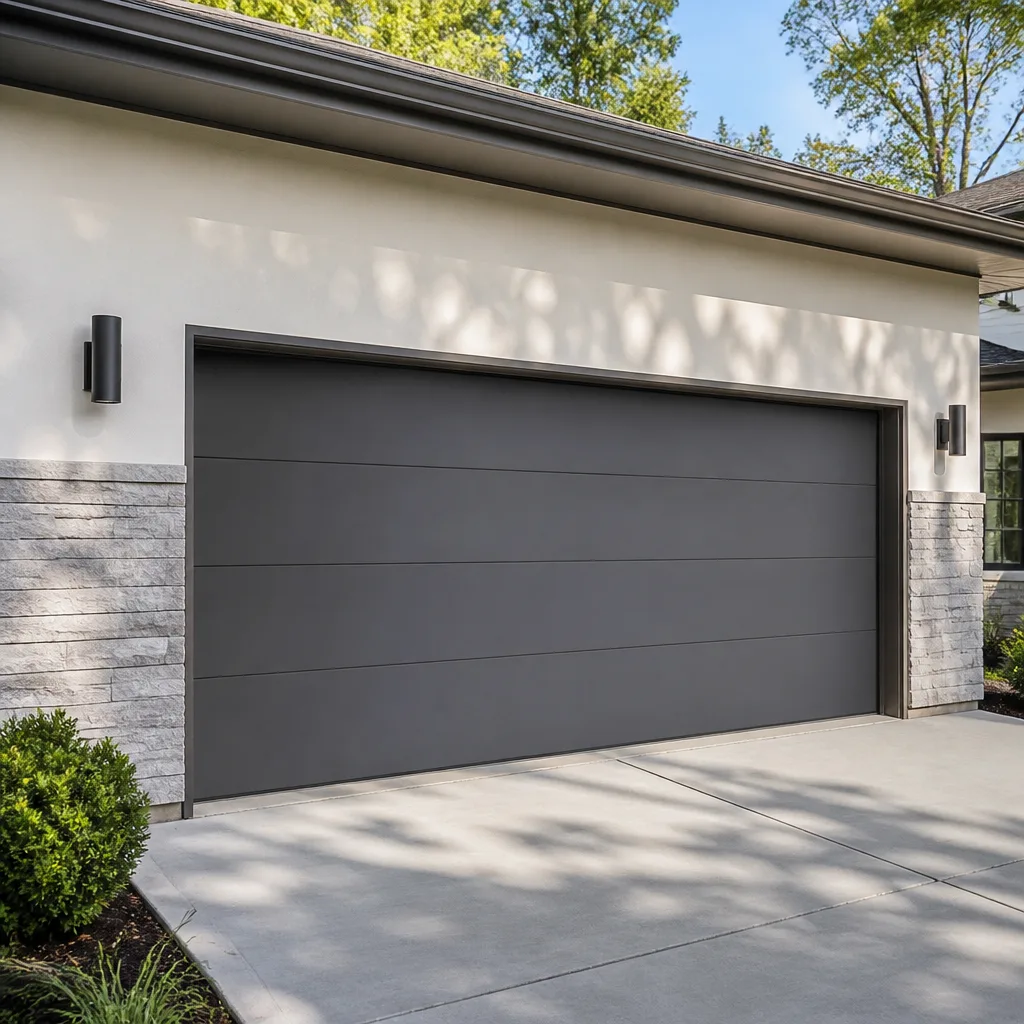 Modern flush
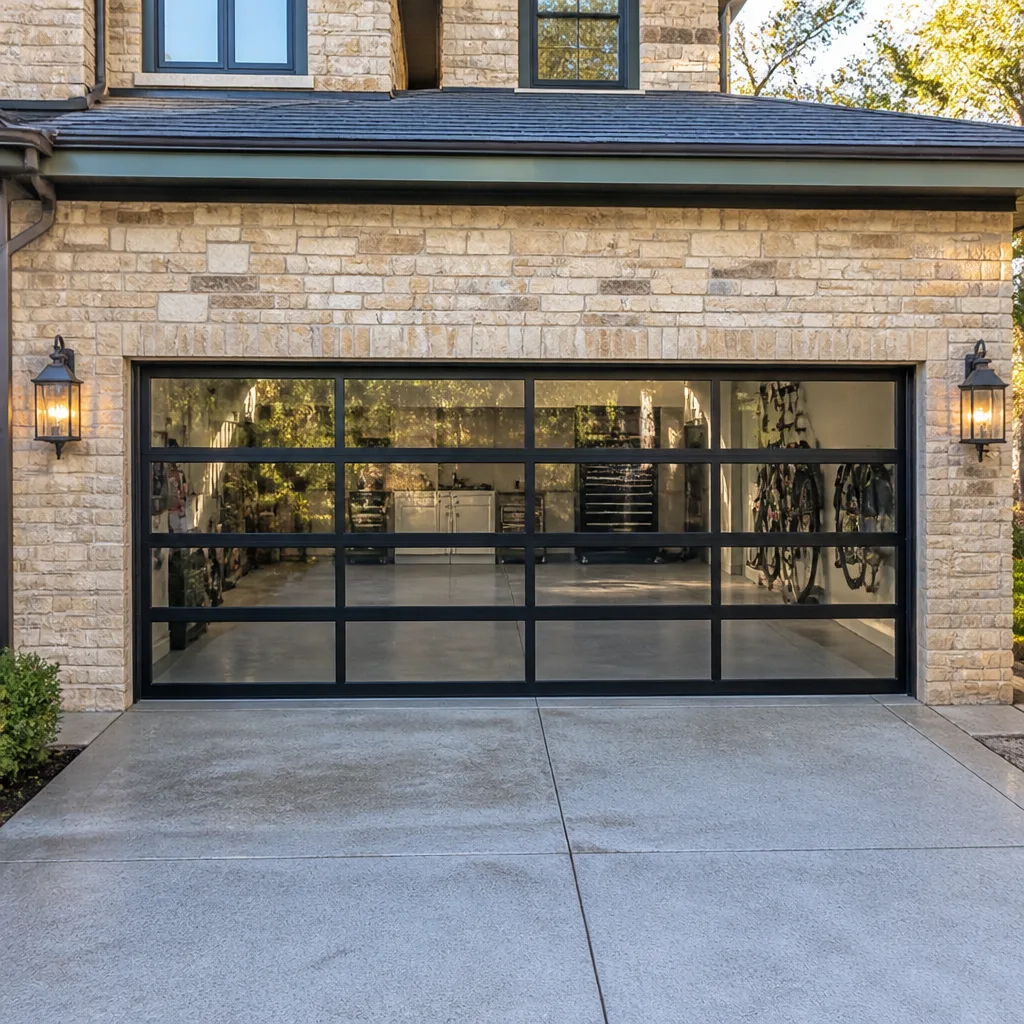 Full-view glass
 LiftMaster openers
 Chamberlain openers
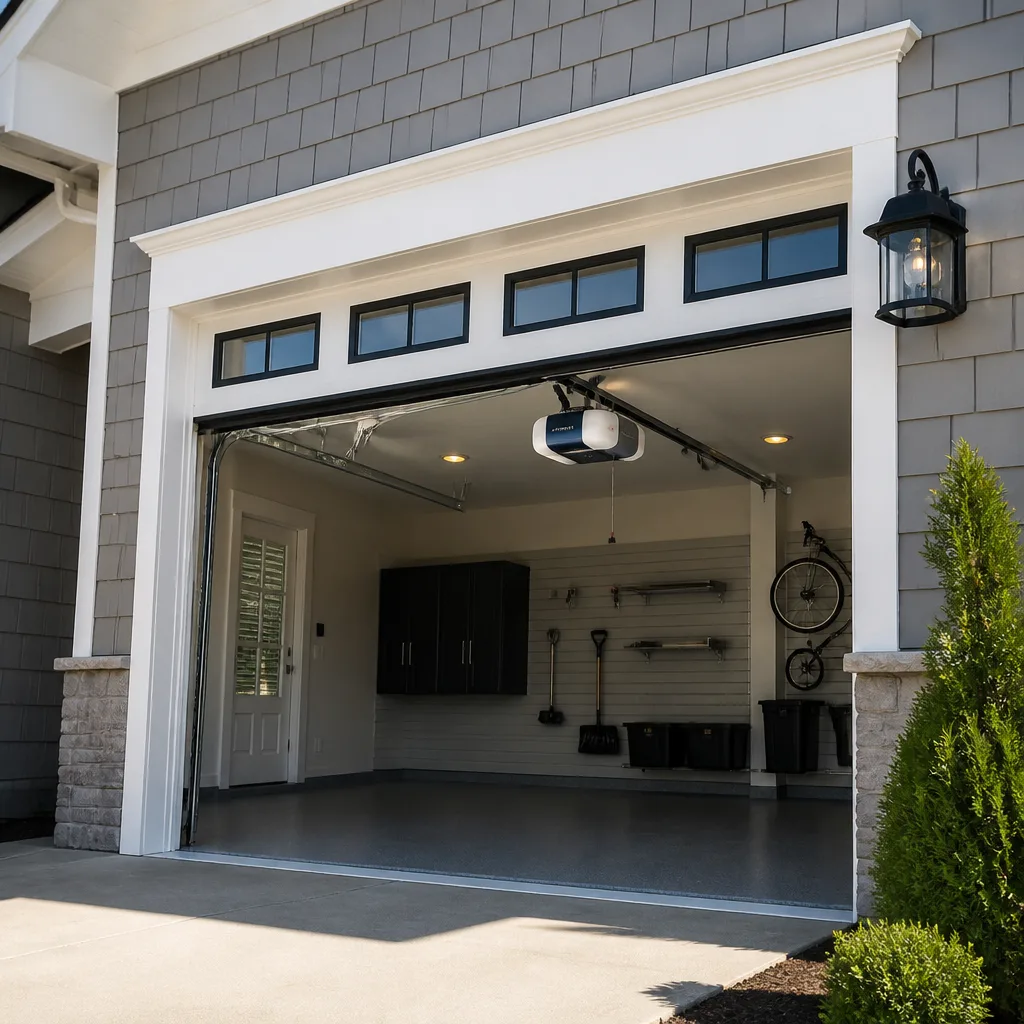
Full 25-point door and opener safety check with every visit - springs, cables, rollers, tracks, and your LiftMaster or Chamberlain opener included
You get a price before we start. It does not change when the pro arrives.
Get your free estimateGarage Door Repair Troubleshooting in Tulsa: Common Problems and How to Fix Them
The number one reason a garage door repair call costs more than it should: the homeowner, or the wrong technician, replaced the part that looked broken instead of the part that caused the break. A door that won’t open is rarely just a “door problem.” It’s usually one of seven distinct failure points, and guessing wrong means paying twice. In this guide, we map every common symptom to its actual mechanical cause so you fix the right thing the first time. We’ll cover how Oklahoma’s temperature swings wear parts faster in Tulsa, which repairs you can safely handle, and which ones need a trained technician.
Quick Answer
Garage door troubleshooting in Tulsa starts by matching the symptom to the system: a door that won’t open points to springs, cables, or opener logic; a door that won’t close points to safety sensors or track alignment; a noisy or uneven door points to worn rollers, hinges, or balance. Oklahoma’s temperature swings between cold winters and 100°F summers accelerate spring fatigue and drive track expansion. Most problems trace to one identifiable component – diagnose that component before you replace anything.
Styles & brands we work with
- Raised-panel steel
- Carriage house
- Modern flush
- Full-view glass
- LiftMaster openers
- Chamberlain openers
Table of Contents
- The Symptom-to-Cause Diagnostic Tree
- How Tulsa’s Climate Accelerates Garage Door Wear
- Springs and Cables: The Repairs You Should Never DIY
- Opener Problem or Door Balance Problem?
- How Different Brands Fail Differently in Tulsa
- Track, Roller, and Hinge Troubleshooting
- Safety Reverse and Sensor Failures
- When to Call a Professional
The Symptom-to-Cause Diagnostic Tree
Before you spend a dollar on parts, identify which system is failing. Garage door problems fall into a handful of predictable categories, and each one points to a specific component. Start with what the door is actually doing, then work backward to the cause.
- The door won’t move at all, and the opener hums or clicks. This is usually a stripped opener gear, a failed capacitor, or a logic board fault. The motor is trying to run but the drive system can’t engage. Check whether the manual release has been pulled – if the door moves freely by hand but the opener won’t lift it, the opener head is the problem, not the door.
- The door opens a few inches and stops. That’s almost always a spring problem or a binding track. The opener has a force limit, and it’s stopping because the door is too heavy or physically stuck. Don’t keep pressing the button – you’ll burn out the motor.
- The door is slow to descend or rises unevenly. Worn torsion springs, a failing cable, or a roller that’s jumped its track. One side lower than the other is a classic sign of a snapped or fatigued cable on one side.
- There’s a loud pop, and the door won’t lift. A torsion spring has broken. This is the most dangerous failure point on any door, and it’s not a DIY repair. Call a technician.
- The door reverses or won’t close. Safety sensors are misaligned, dirty, or the wiring has loosened. This is often a five-minute fix you can handle yourself.
- The door is loud – grinding, squealing, or banging. Worn rollers, dry hinges, or loose hardware. Often a maintenance issue rather than a failure.
- The door closes and immediately reopens. Something is blocking the safety beam, or the close-force limit is set too low.
Map the symptom first, then decide. In our experience across Tulsa, the most common wrong diagnosis is a homeowner replacing an opener when the real problem was a worn spring causing the door to bind. The second most common is replacing a spring when the real culprit was a cable. Knowing which system is failing saves you both the cost of the wrong part and the cost of a return visit.
How Tulsa’s Climate Accelerates Garage Door Wear
Tulsa’s weather is hard on garage doors. The city swings between cold winter stretches and summers that regularly push past 100°F, and that range is exactly what wears springs out fastest. A torsion spring that would last longer in a mild climate can fatigue faster here because the metal expands and contracts through hundreds of extreme cycles each year.
Springs are the component most affected. Steel that’s been cycled through heat and cold loses tension unevenly, and a spring under load is already close to its limit. What feels like a sudden failure is usually the end of a long wear pattern. Homeowners in Tulsa who notice their door getting heavier, or needing more force to close, are often seeing spring fatigue in progress.
Track expansion is the second climate effect. Steel tracks expand in summer heat, which can cause the door to bind or drag at certain times of year. In winter, the same tracks contract, and a door that ran smoothly in July may start to jump or scrape in January. A track that’s slightly out of alignment is easy to adjust – but catching it early matters.
Wooden and composite doors are also affected. Tulsa’s humidity and seasonal moisture swings cause wood to swell and warp, which can throw the door out of square and put extra strain on the opener. If your door is older and wood-framed, seasonal adjustment is worth planning for.
What this means practically: if you live in Tulsa and your door is getting harder to operate, don’t assume it’s the opener. The climate is the underlying cause, and the fix usually starts with the springs and the door’s balance, not the motor.
Springs and Cables: The Repairs You Should Never DIY
Ask anyone who’s been in this trade long enough and they’ll tell you the same thing: the two components most likely to cause serious injury are torsion springs and the cables that run alongside them. A torsion spring under load stores enormous energy. When it’s being loosened or tightened, a slip or a dropped winding bar can mean a very bad injury. This is not a repair we recommend any homeowner attempt.
Cables are just as dangerous. A cable under tension that’s cut, loosened, or allowed to snap can whip back with enough force to cause serious harm. We’ve seen more than one homeowner try to replace a cable themselves and end up needing medical attention. It’s one of the few jobs where we’ll always tell you: leave it to a trained technician.
Here’s the line between what you can safely do and what you shouldn’t:
- Safe for a homeowner: cleaning and realigning safety sensors, lubricating rollers and hinges, tightening visible bolts, testing the safety reverse.
- Not safe to DIY: replacing or adjusting torsion springs, replacing cables, adjusting the tension on a spring system, cutting or reattaching a broken cable.
- Case by case: replacing rollers and hinges is possible for a confident homeowner, but it involves lifting the door – work carefully and never attempt it if the door isn’t properly supported.
If you’ve had a spring break or a cable snap, stop using the door immediately. For garage door repair in Tulsa, that’s the point where a technician needs to be called – and the repair should be done with proper tools and the right spring rated for your door’s weight.
Opener Problem or Door Balance Problem?
This is the most expensive diagnostic mistake in garage door repair, and it happens constantly. A homeowner whose door struggles to open assumes the opener is failing and spends money on a new motor head – when the actual problem is a door that’s out of balance and needs a spring adjustment.
Here’s how to test the door’s balance before you blame the opener:
- Disconnect the opener using the manual release cord (pull it straight down).
- Lift the door halfway by hand and let it go.
- If it stays in place, the door is balanced – the opener is likely the issue.
- If it drops or rises on its own, the door is out of balance – springs need adjustment or replacement.
Do this test with the door disconnected and be careful; a door that’s lost spring tension is heavy. If you’re not confident moving it, don’t – have a technician check it. But if the door stays put when you release it, that’s a strong sign the problem is in the opener, not the door.
The reverse is also true. An opener that’s working hard, running hot, or failing to complete a cycle can be reacting to a door that’s binding. In that case, the opener isn’t broken – it’s compensating for a door problem. If you replace the opener without fixing the door, you’ll wear out the new one quickly too.
The practical rule: check door balance first, then look at the opener. That’s the sequence that saves money. If you’re dealing with garage door opener repair issues in Tulsa and the door fails the balance test, start with the door, not the motor.
How Different Brands Fail Differently in Tulsa
Garage door hardware isn’t universal. Different manufacturers use different springs, cables, and opener logic, and the same symptom can point to different causes depending on what’s installed. That’s why a good technician asks what brand is on your door before diagnosing it.
LiftMaster openers are common in Tulsa and tend to be reliable, but when they fail, it’s often the logic board or the travel limit switch, not the motor itself. A LiftMaster that runs but won’t stop at the right point usually has a limit switch problem that’s a quick fix, not a motor replacement.
Chamberlain openers share some design heritage with LiftMaster, and their failures often show up as a stripped gear or a safety sensor issue. The sensors on Chamberlain units are particularly sensitive to dirt and misalignment, and a door that reverses immediately is often a sensor, not a mechanical failure.
Craftsman openers, common on older Tulsa homes, often fail at the capacitor or the receiver. A Craftsman unit that won’t respond to the remote but works from the wall button usually has a receiver problem, not a motor problem.
Clopay doors are widely installed in the area, and their spring systems are a common failure point. Clopay doors that feel heavy or won’t stay up usually need spring service rather than door replacement. The panel itself is rarely the problem.
Raynor doors are also found on Tulsa homes, and the torsion systems on older Raynor doors can be prone to cable wear. That’s a visual check a technician can do quickly, and it’s worth knowing if your door is a Raynor before you assume the opener is at fault.
The takeaway: know your brand, then diagnose. If you’re not sure what’s installed, a technician can identify it in minutes and match the right part.
Track, Roller, and Hinge Troubleshooting
If your door is noisy, binding, or jerking as it moves, the problem is usually mechanical: tracks, rollers, or hinges. These parts wear over time, and the symptoms are predictable.
Track problems usually show up as a door that rubs, sticks, or jumps at a certain point. A track that’s been bumped out of alignment – often by a car or a storage item – can be straightened, but it should be done carefully. The gap between the track and the roller should be consistent; if it’s not, the door will bind.
Roller problems are the most common source of noise. Steel rollers wear out faster than nylon and can develop flat spots, which causes the door to rumble. A door that squeaks or screeches is often just crying out for lubrication, but if the noise persists after lubricating, the rollers may need replacing.
Hinge problems are less common but easy to spot. A hinge that’s bent or loose causes the door to sag or rub on one side. Tightening is usually enough, but a bent hinge should be replaced.
Here’s what you can safely check yourself:
- Look at the tracks from the side – are they straight? Do they look bent or out of alignment?
- Lubricate the rollers, hinges, and springs with a proper garage door lubricant – not WD-40, which is a solvent, not a lubricant.
- Check the bolts on the hinges and tracks – are any visibly loose?
- Listen for where the noise is coming from – top, bottom, or one side.
If the door is still binding or noisy after that, it’s worth having a technician look at it. A track adjustment is quick, and it’s better than living with a door that grinds every time it moves.
Safety Reverse and Sensor Failures
The safety reverse system is one of the most important parts of any garage door, and it’s also one of the easiest to troubleshoot. If your door closes and immediately goes back up, or won’t close at all, the safety sensors are the first thing to check.
The sensors are the two small units at the bottom of the tracks on either side of the door. They shoot an invisible beam across the opening. If the beam is broken or misaligned, the door won’t close. Here’s what to check:
- Clean the lenses. Dust, cobwebs, and dirt on the sensor lens are the most common cause of a reverse. Wipe them with a soft cloth.
- Check alignment. Each sensor has a small indicator light. If one is on and the other is off or flickering, they’re not aligned. Gently adjust until both lights are solid.
- Check for obstructions. Anything in the path of the beam – a tool, a box, a piece of debris – will trigger a reverse.
- Check the wiring. If a sensor is loose or the wire has been pulled, the system won’t work. Look for visible damage.
If the sensors check out and the door still reverses, the close-force limit may be set too low, or the logic board may have an issue. That’s where a technician should look, especially on LiftMaster or Chamberlain units where the adjustment is electronic rather than mechanical.
We answer 24/7 for sensor issues and other urgent problems. If your door won’t close and you’re in Tulsa, call and we’ll get it sorted. Fast dispatch from 7am to 7pm, Sunday through Friday.
See the difference
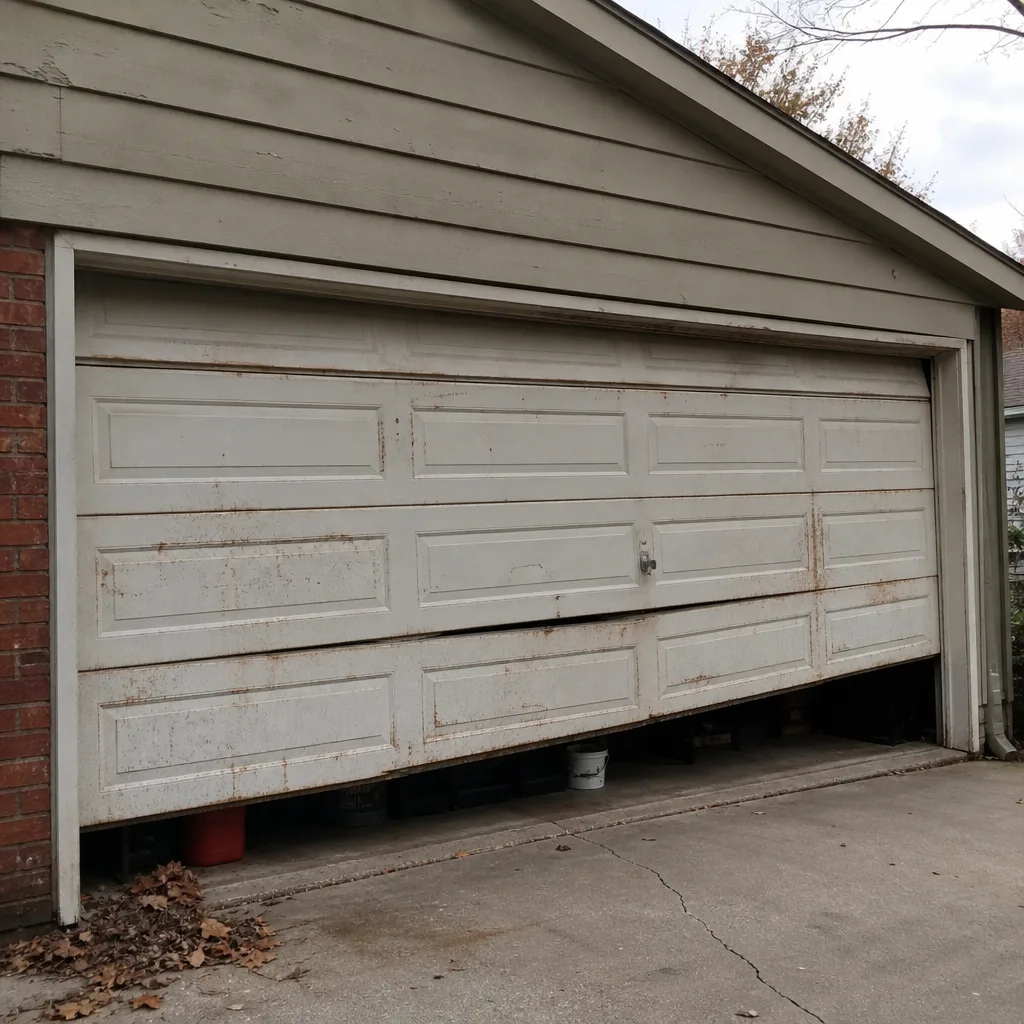 Before
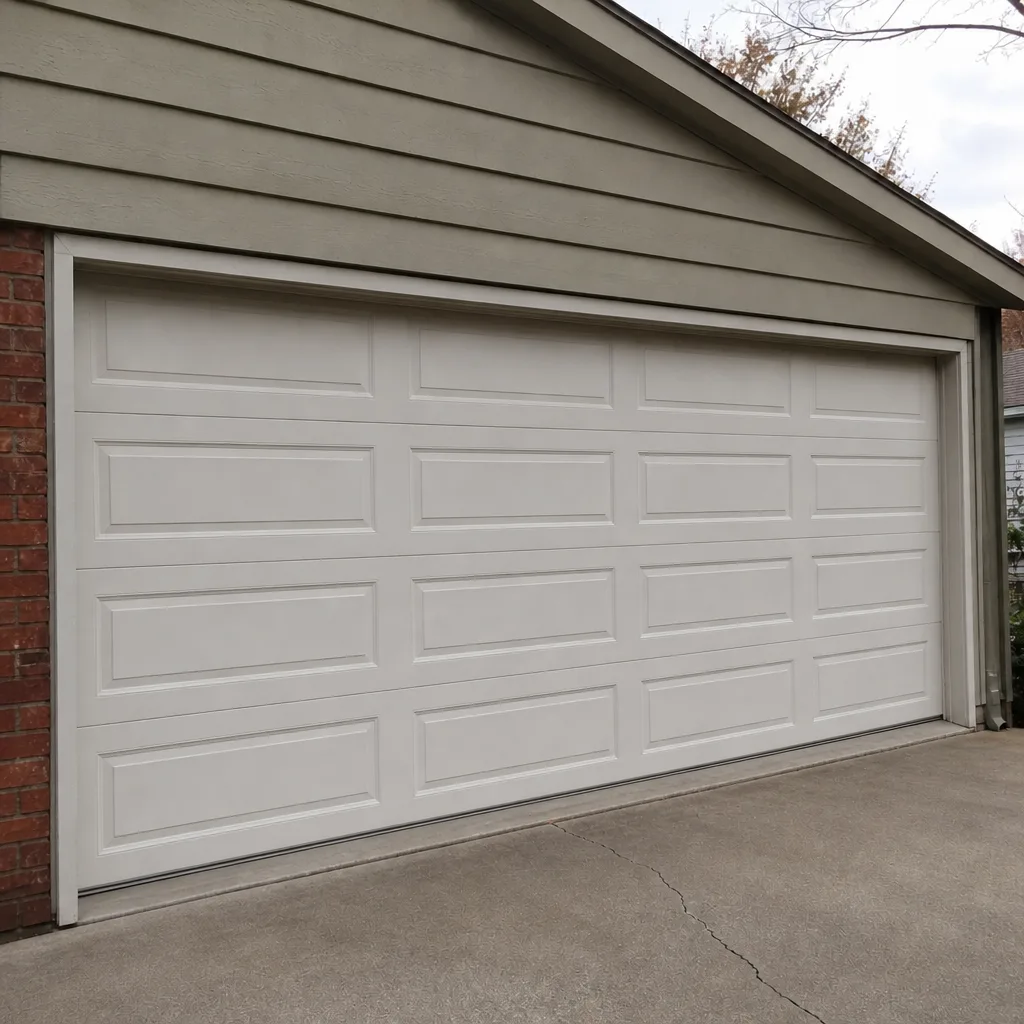 After
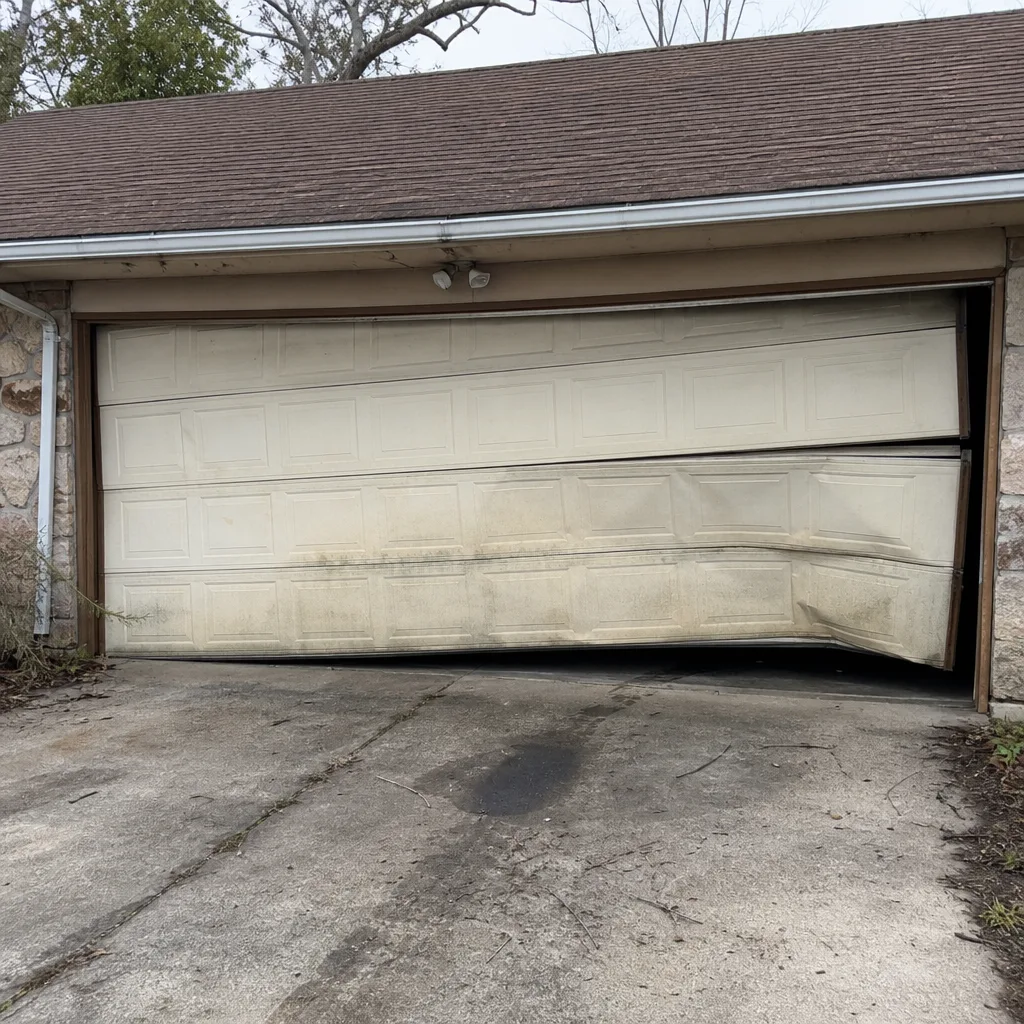 Before
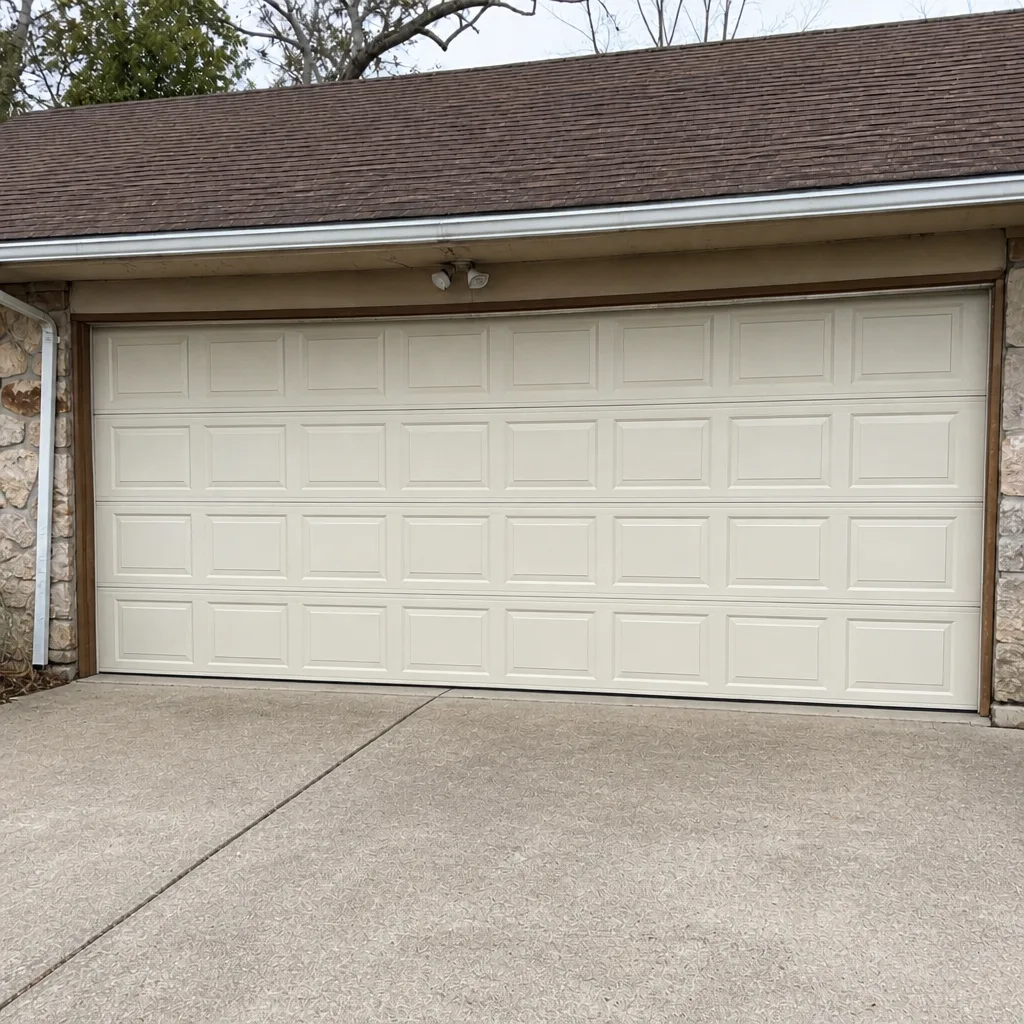 After
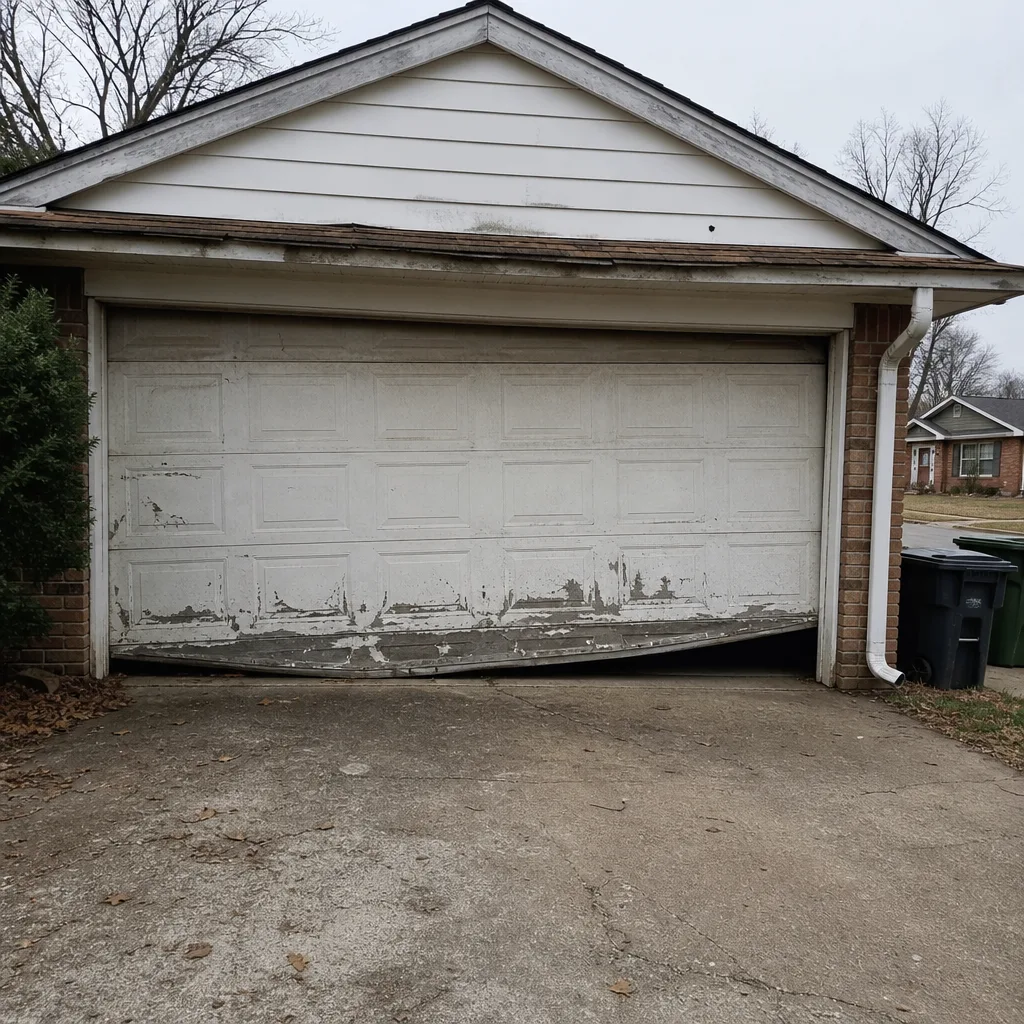 Before
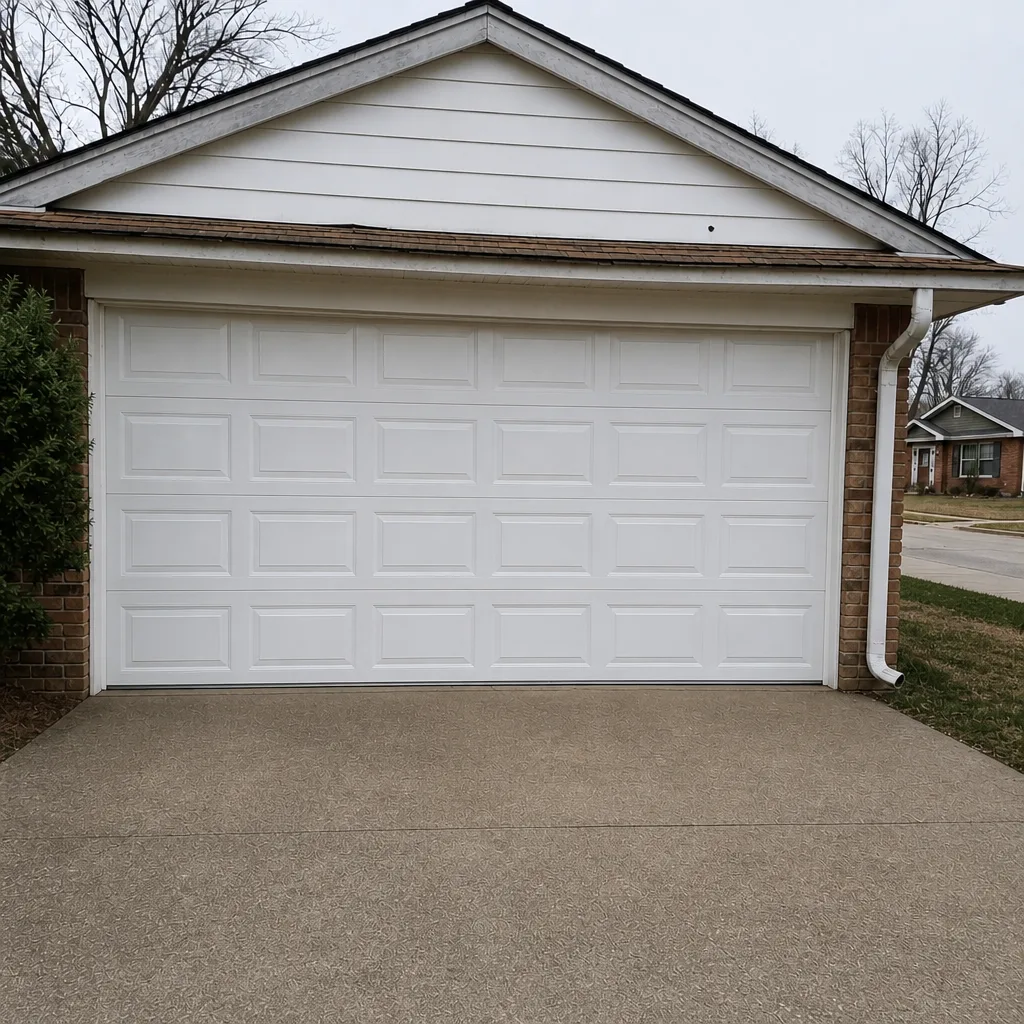 After
Common Mistakes to Avoid
- Replacing the opener when the door is out of balance. This is the most expensive mistake in the book. If your door fails the balance test, the opener isn’t the problem – fix the door first.
- Trying to replace a torsion spring yourself. A torsion spring is under enormous tension and can cause serious injury if handled without the right tools and training. This is not a homeowner repair, no matter how many videos you watch.
- Cutting a cable to “release” a stuck door. A cable under tension can snap back with dangerous force. Don’t cut it – call a technician.
- Using WD-40 as a lubricant. WD-40 is a solvent and will strip the lubricant from your rollers and hinges. Use a proper garage door lubricant rated for the job.
- Ignoring a noisy door. A squeaky or grinding door is telling you something is wearing out. Fixing it early is cheaper than waiting for a failure, especially in Tulsa’s temperature swings.
- Assuming all brands are the same. A Craftsman opener and a LiftMaster don’t fail the same way. Knowing the brand before you diagnose saves you from buying the wrong part.
- Skipping the sensor check. A door that won’t close is often a dirty or misaligned sensor, not a mechanical failure. Check the sensors before you assume the worst.
When to Call a Professional
Some repairs are safe for a homeowner. Others aren’t. Call a technician if your door has a broken spring, a snapped cable, or a door that’s become too heavy to lift safely. Call if the door won’t close and the sensors check out, or if the opener runs but the door doesn’t move. Call if the door is visibly out of alignment or the track is bent. And call if you’ve tried the self-checks and the problem persists – guessing at parts is how a small repair becomes a big one. Bedrock Garage Door Repair offers free estimates in Tulsa – call (855) 962-5268. We work on your brand across eight of the most-installed lines, and we diagnose before we replace.
Frequently Asked Questions
Garage door repairs in Tulsa typically range from around $150 for a simple sensor or roller fix to $600 or more for spring or opener work, depending on the part and the door. The exact price is set by the written estimate before any work starts, so there’s no surprise on the invoice. Call (855) 962-5268 for a free estimate – we’ll diagnose the actual cause and quote the repair.
We answer 24/7 and offer same-day service for urgent repairs in most cases. A call outside dispatch hours is booked into the next opening, Sunday through Friday, 7am to 7pm. If your door won’t open and you need it fixed today, call (855) 962-5268 and we’ll tell you the soonest available time.
No. The written estimate sets the price, and the price you agree to before work starts is the price you pay. If the diagnosis reveals a different problem than expected, we’ll explain it and get your approval before any additional work. There are no surprise charges. The estimate is free.
Yes. Our technicians are trained and experienced, and we connect you with insured, bonded professionals. Our technicians have up to 12 years of experience. If you need a repair in Tulsa, call (855) 962-5268 for a free estimate.
The most likely cause is a misaligned or dirty safety sensor, or an obstruction in the sensor beam. Check that both sensor lights are on and clean the lenses. If they’re aligned and the door still reverses, the close-force limit may be set too low or the logic board may need attention – call (855) 962-5268 and we’ll diagnose it.
Test the door balance first: disconnect the opener and lift the door halfway. If it stays up, the door is balanced and the opener is likely the problem. If it drops, the springs need attention. In Tulsa’s climate, spring fatigue is common, so start there before you replace an opener.
The Bottom Line
Most garage door problems trace back to one specific component, and the trick is diagnosing the cause instead of replacing the symptom. Springs, cables, tracks, rollers, and openers all fail in predictable ways – and Tulsa’s temperature swings make spring fatigue and track expansion especially common. If your door is out of balance, stop and fix the door before you touch the opener. If you’re not sure what’s wrong, don’t guess at parts. Whether it’s Bedrock Garage Door Repair diagnostics or a question about your Tulsa home, the right fix starts with the right diagnosis.
Call (855) 962-5268 for a free estimate. We answer 24/7. Fast dispatch from 7am to 7pm, Sunday through Friday. From opener to panel, we work on your brand and diagnose it correctly the first time. If you’re a property manager dealing with mixed-brand doors, we handle the full scope: repair, opener repair, and complete new installation, so you don’t need a second provider as your needs change.
Written by the team at Bedrock Garage Door Repair.